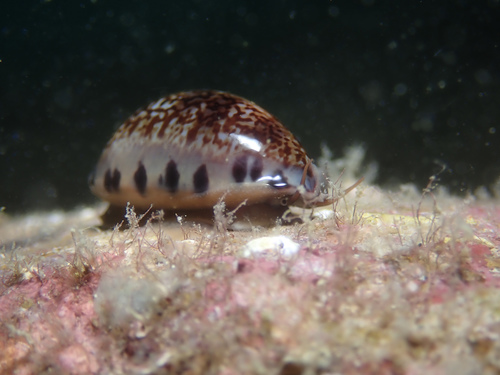
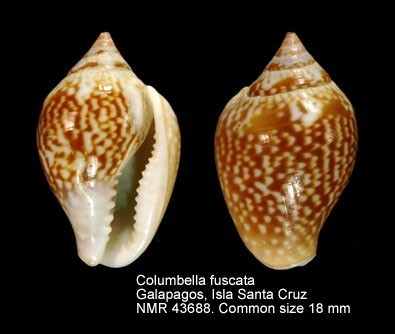
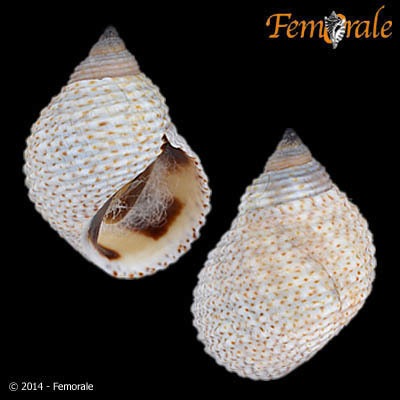
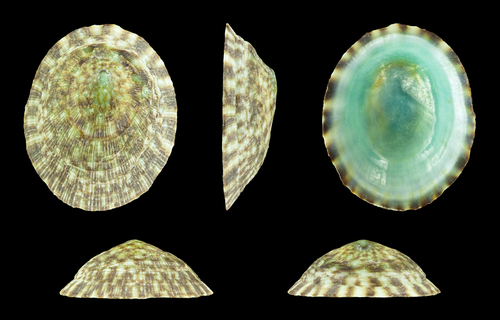
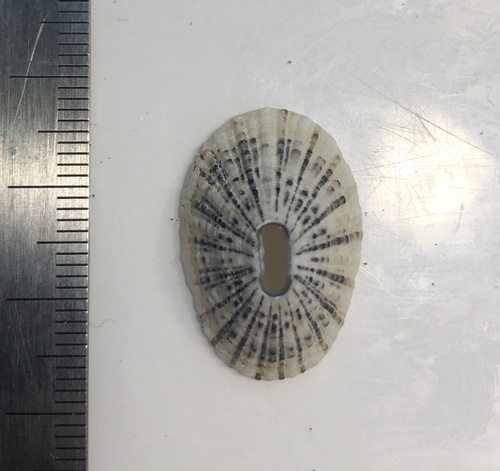
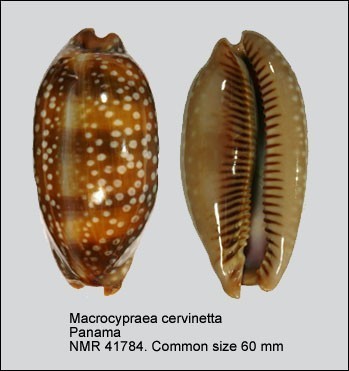
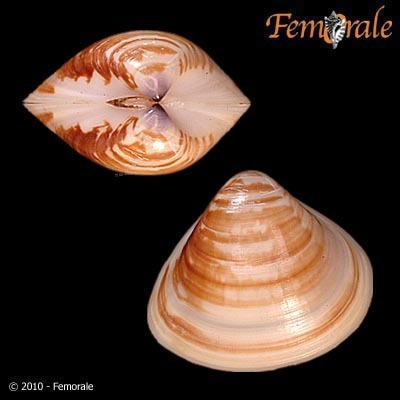
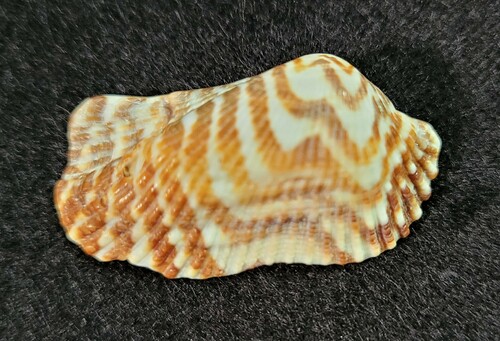
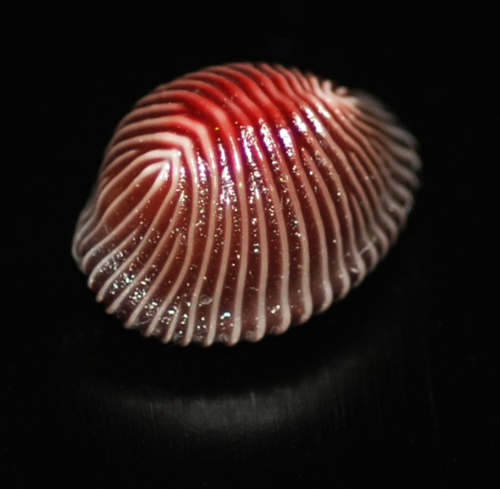
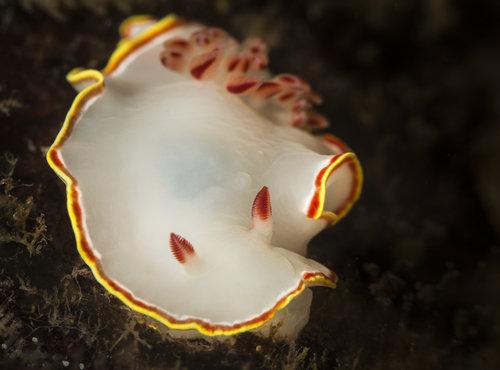
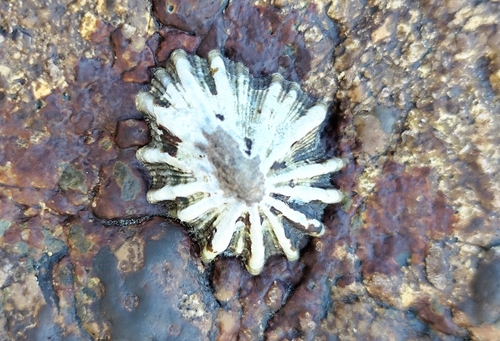
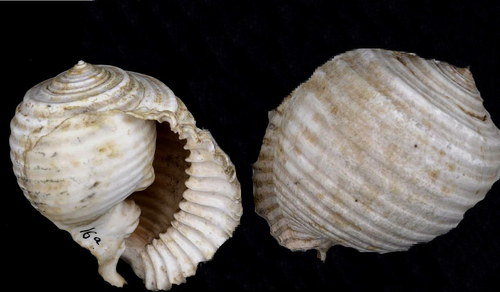
Everyone walks past them. The black snails carpeting the headland rocks, the armored chiton wedged in a crevice, the spiral shell tumbling in the shorebreak — this coast's mollusks hide in plain sight. Come back at low tide and the rocks are covered in them.
27 species documented on the rocks and sand
Rock snails, chitons, cowries, cone snails and sea slugs — every one with a research-grade record within 50 km.
Three tide lines,
three sets of animals.
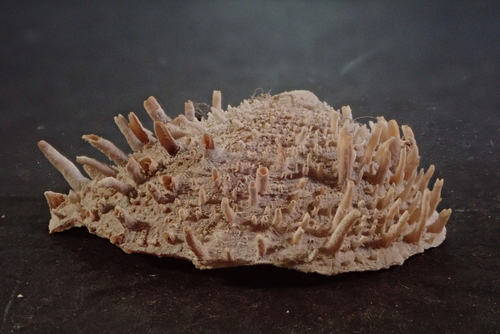
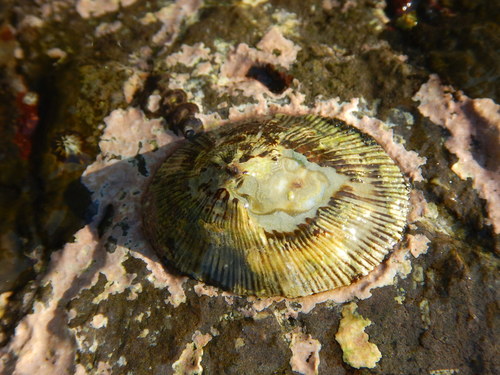
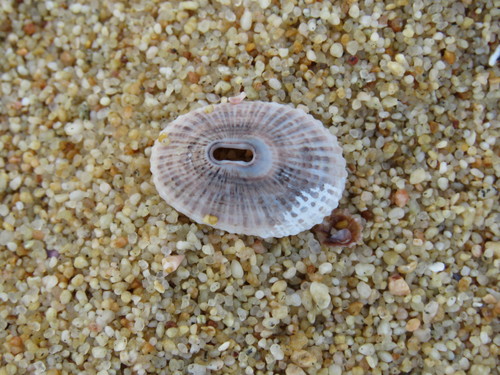
The rocky point. The headland reef at low tide is the richest ground — nerites and periwinkles in the splash zone, chitons and limpets clamped to the rock face, and predatory rock snails (murex, dogwinkles, the fanged Thorn Latirus) working the barnacle beds. Almost everything on this page lives here.
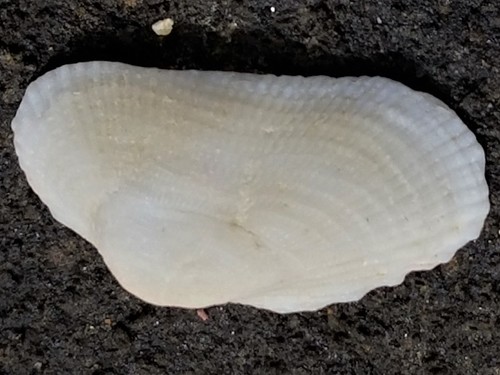
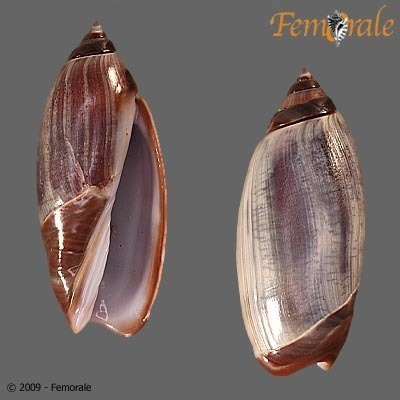
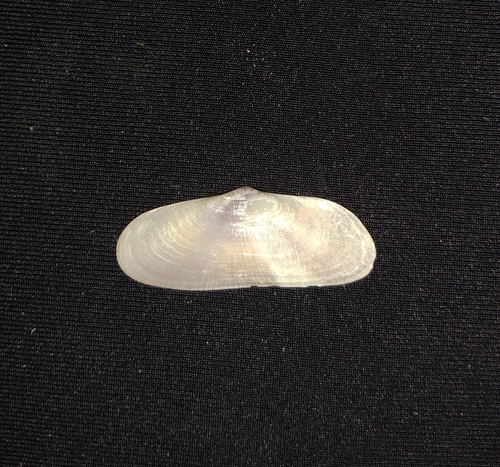
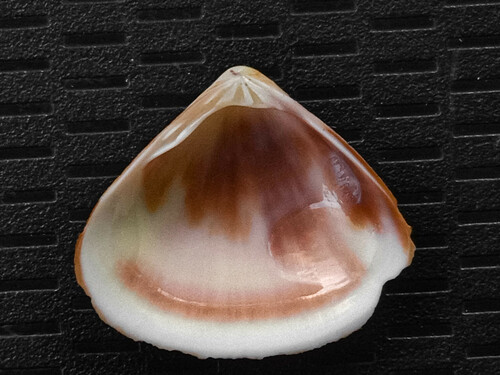
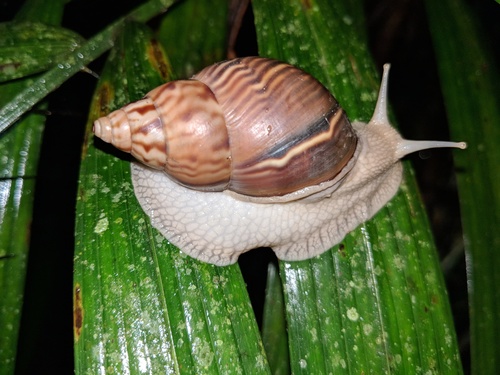
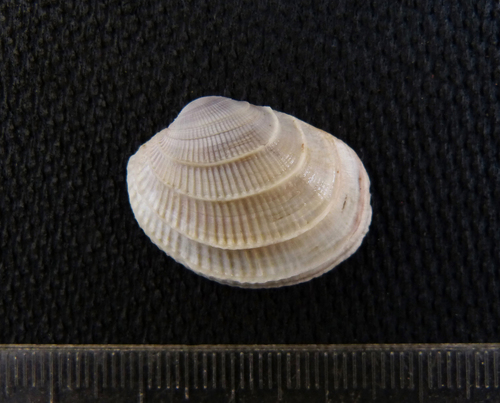
The surf-zone sand. The open beach yields bivalves — Venus clams and tivelas — thrown up by the shorebreak, plus the occasional tumbled snail shell. Look along the strandline after a big swell.
The lagoon edge. The Río Petatlán estuary mouth adds brackish and mangrove-associated snails. Under-surveyed here; the record is thinnest in this zone.
Mollusks you'll actually see
Rocky intertidal — the headland point
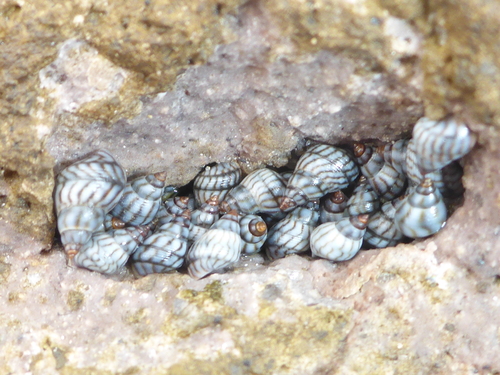
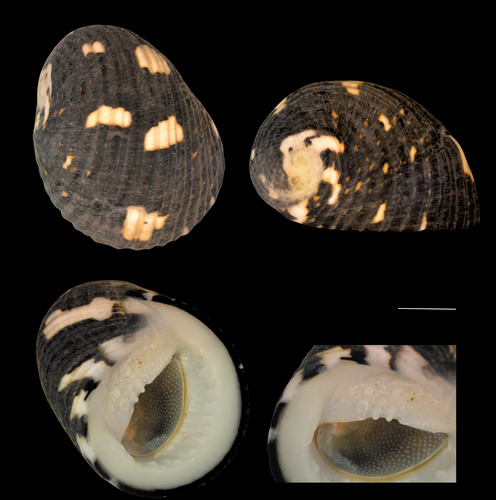
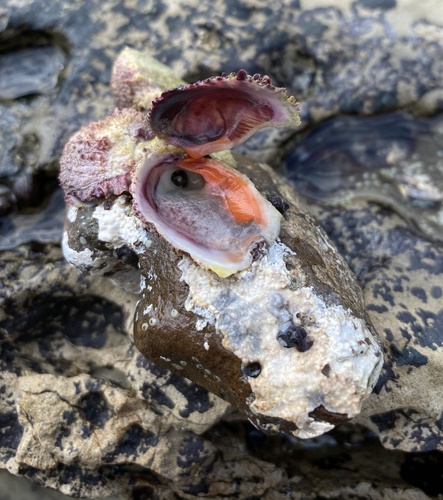
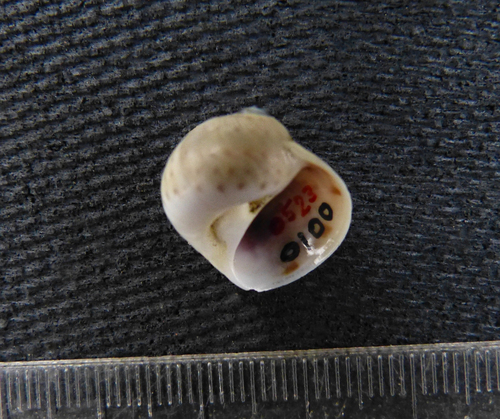
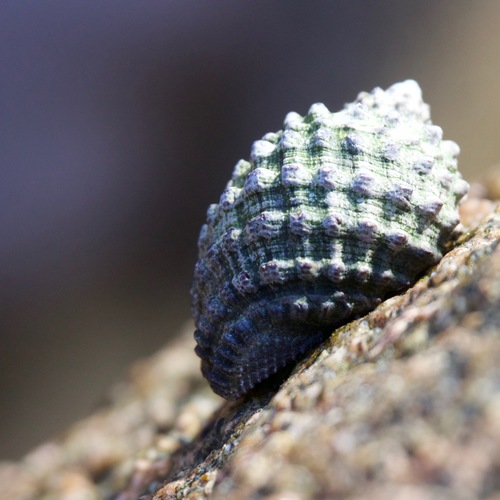
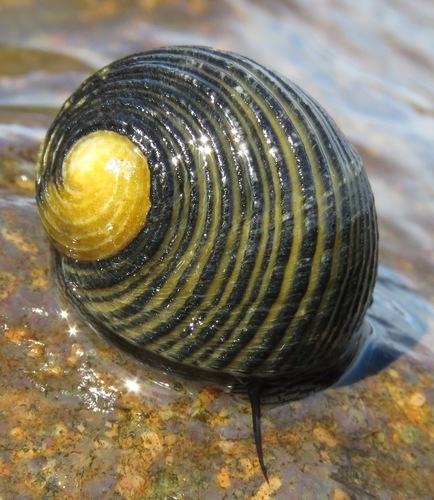 Caracol negro
Rough-ribbed Nerite
Nerita scabricosta details →
Blankets the splash zone · most-recorded mollusk here
Caracol negro
Rough-ribbed Nerite
Nerita scabricosta details →
Blankets the splash zone · most-recorded mollusk here
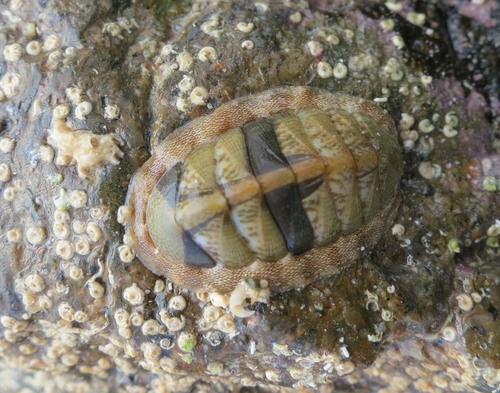
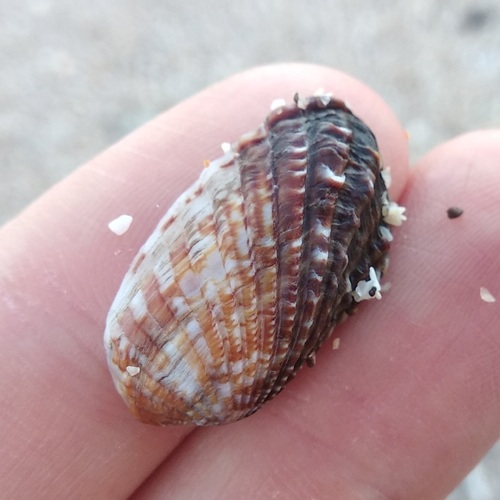
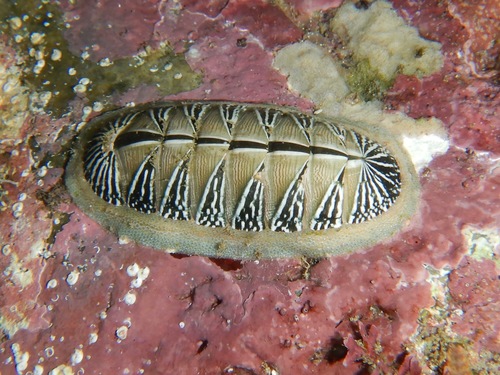
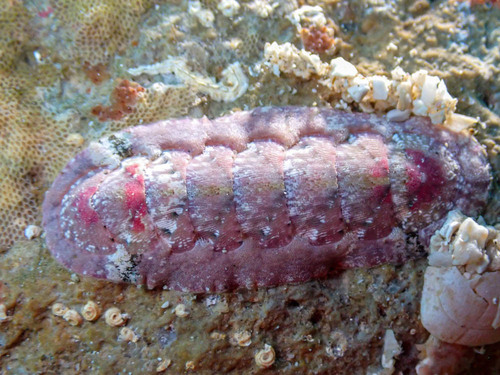
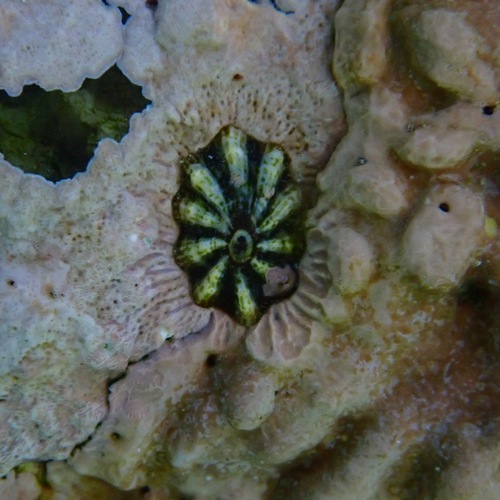
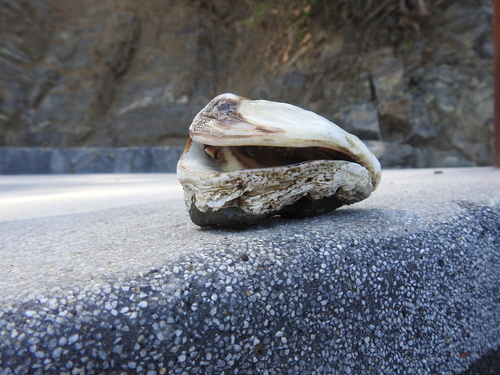
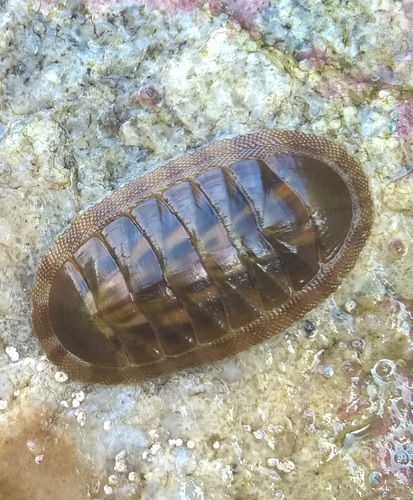 Cucaracha de mar
West Indian Green Chiton
Chiton articulatus details →
Eight-plated; harvested and eaten locally in Guerrero
Cucaracha de mar
West Indian Green Chiton
Chiton articulatus details →
Eight-plated; harvested and eaten locally in Guerrero
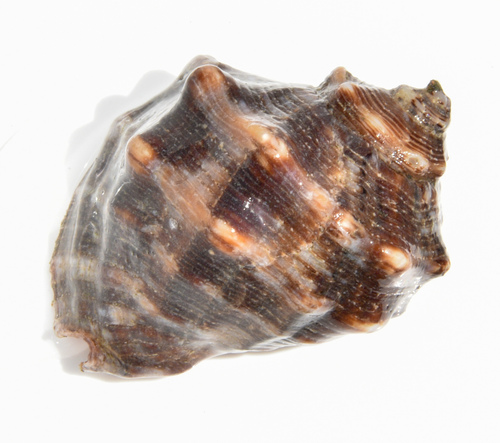
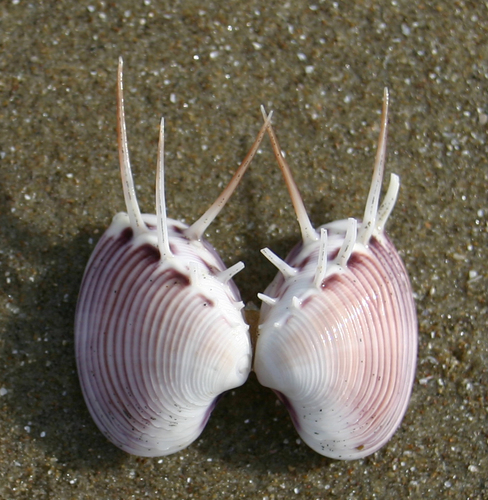
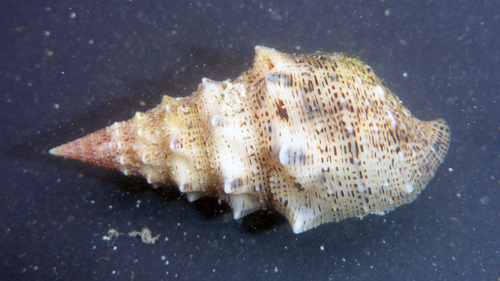
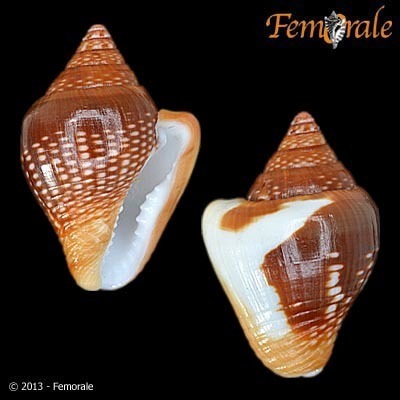
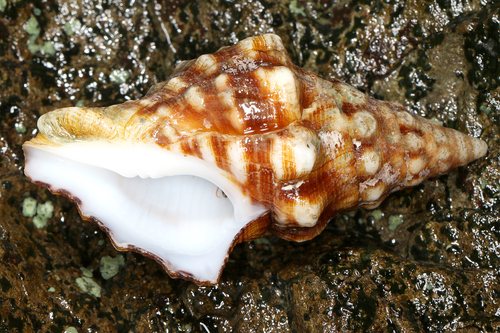
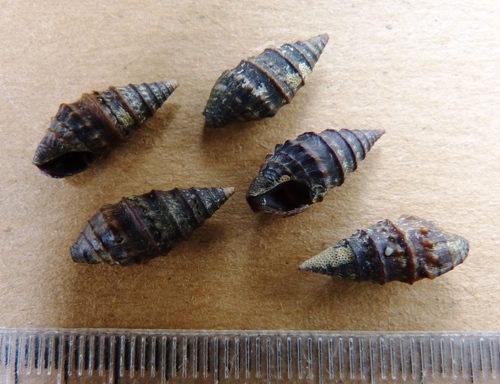
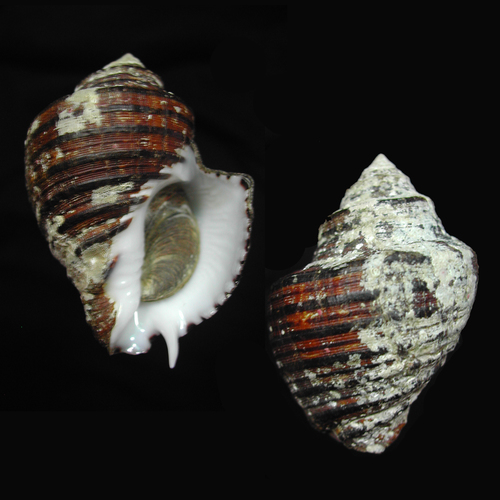 Caracol colmillo
Thorn Latirus
Opeatostoma pseudodon details →
One long fang on the shell lip — unmistakable
Caracol colmillo
Thorn Latirus
Opeatostoma pseudodon details →
One long fang on the shell lip — unmistakable
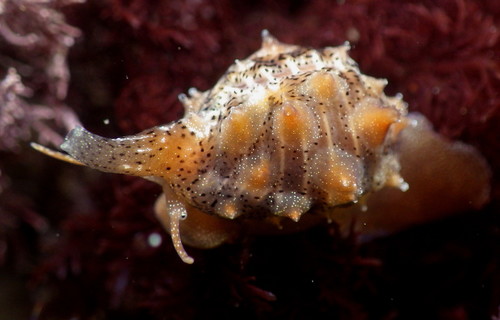
Cowries, cones & sea slugs
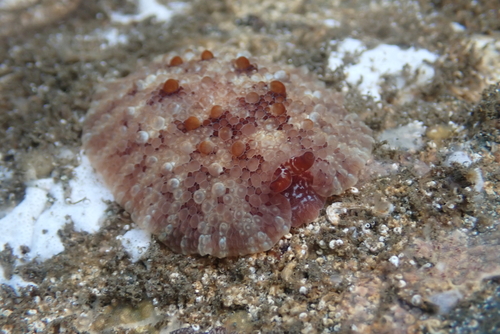
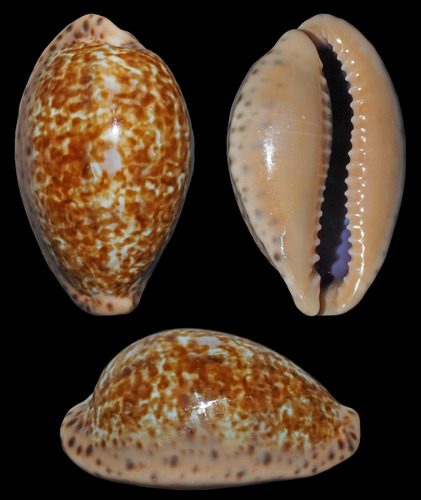
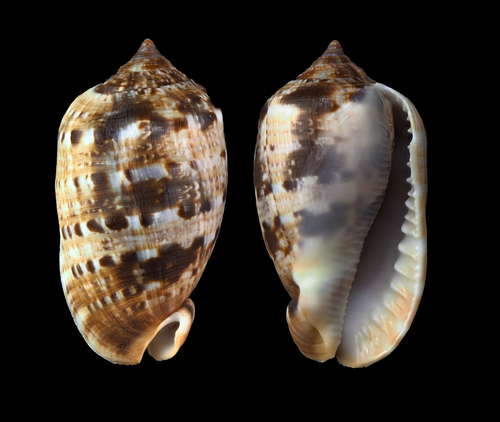
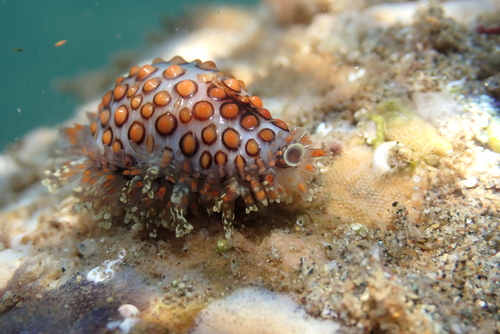 Cowry de Jenner
Jenner's Cowry
Jenneria pustulata details →
Orange-pustuled; a coral-polyp predator
Cowry de Jenner
Jenner's Cowry
Jenneria pustulata details →
Orange-pustuled; a coral-polyp predator
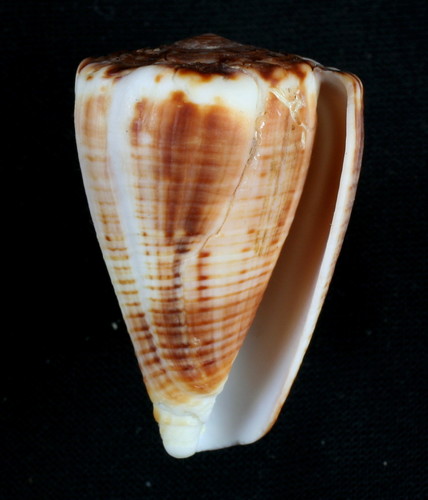
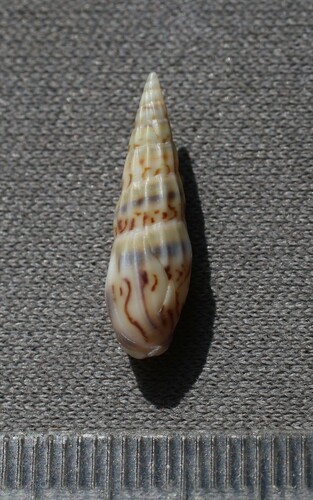
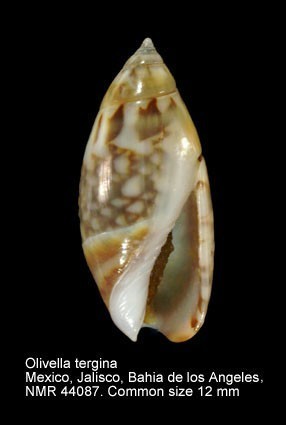
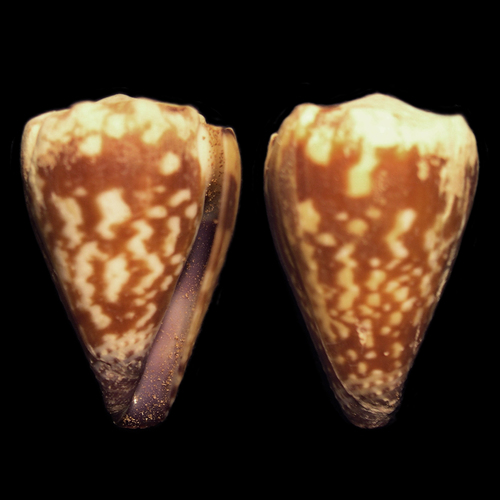
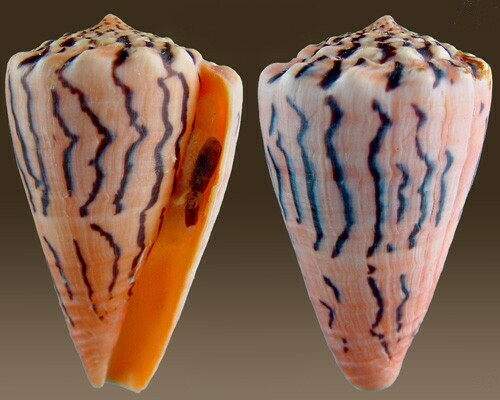 Cono príncipe
Prince Cone
Conus princeps details →
Venomous harpoon — never handle a live cone
Cono príncipe
Prince Cone
Conus princeps details →
Venomous harpoon — never handle a live cone
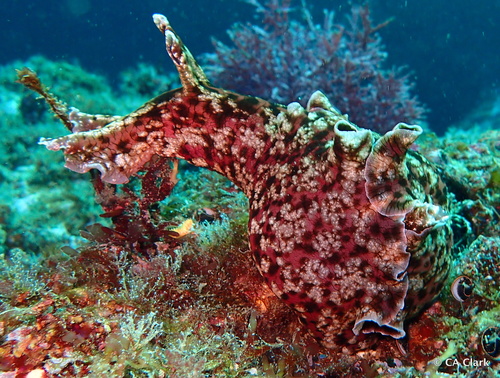
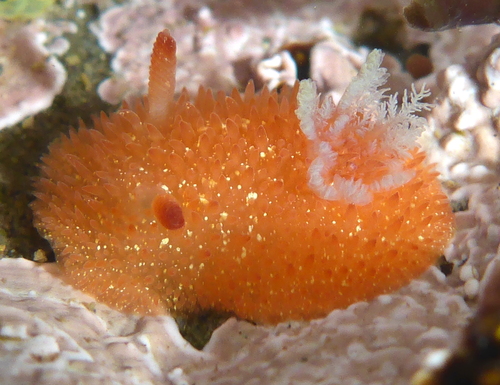
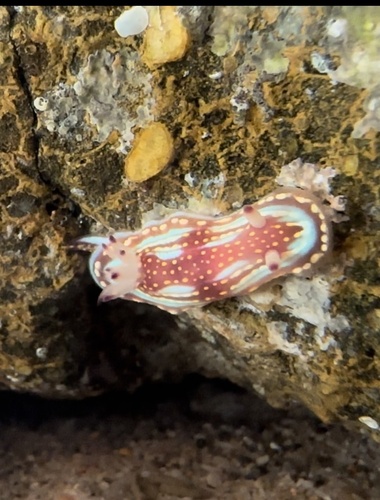
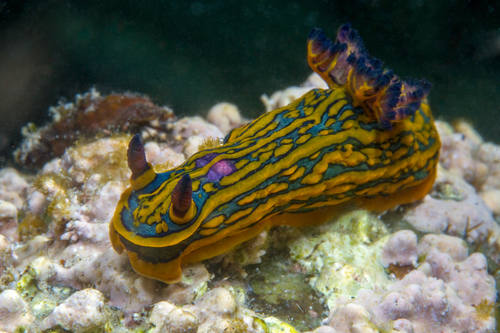
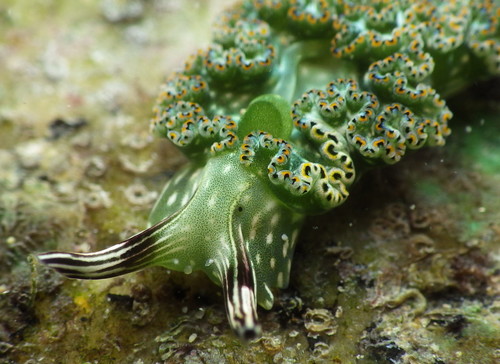 Danzarina mexicana
Diomedes' Sapsucker
Elysia diomedea details →
Frilled green sea slug that steals chloroplasts
Danzarina mexicana
Diomedes' Sapsucker
Elysia diomedea details →
Frilled green sea slug that steals chloroplasts
Cone snails are venomous.
The cones (Conus princeps, Conus nux) hunt with a hollow, harpoon-like tooth that fires venom fast enough to subdue a fish — and it can penetrate skin. Stings are rare and mostly happen to people who pick up a live cone thinking it's an empty shell. The rule is simple: admire cone snails where they sit, photograph them, and don't pocket a live one. If stung, treat it as a medical emergency and seek care — there is no antivenom, and pain and numbness can spread.