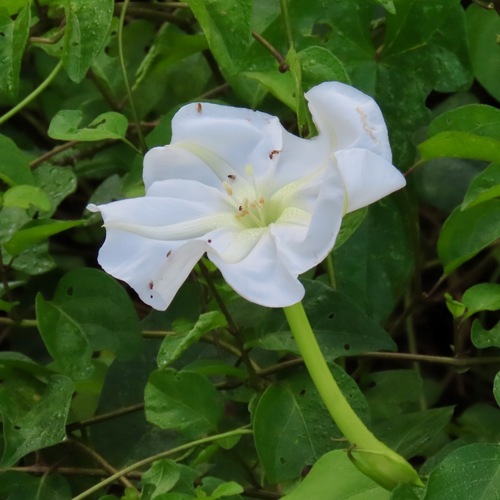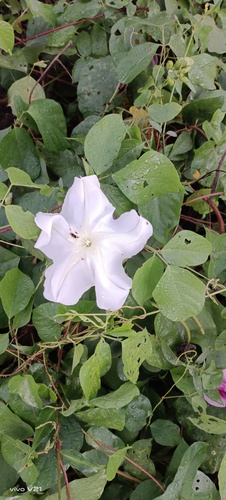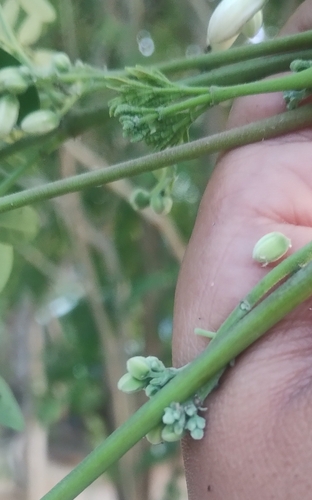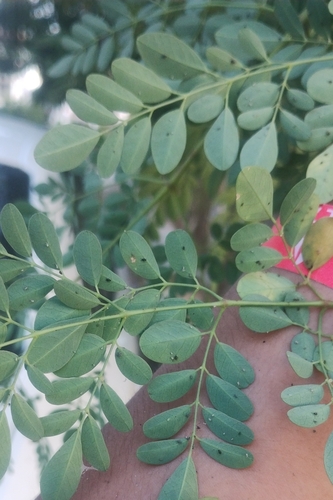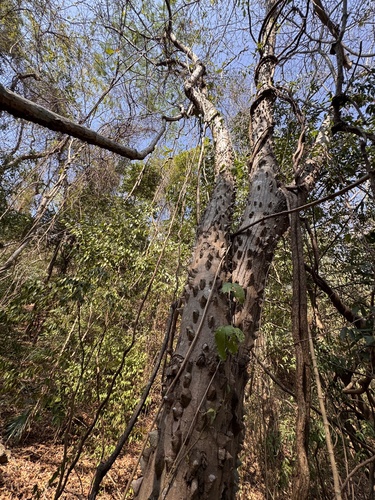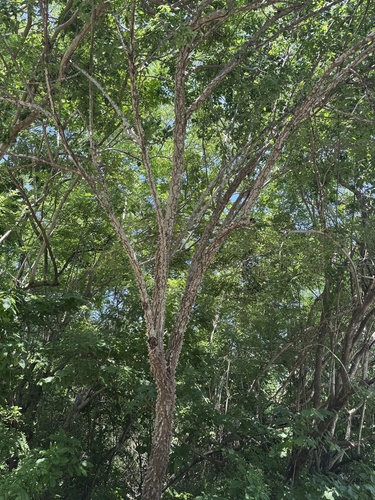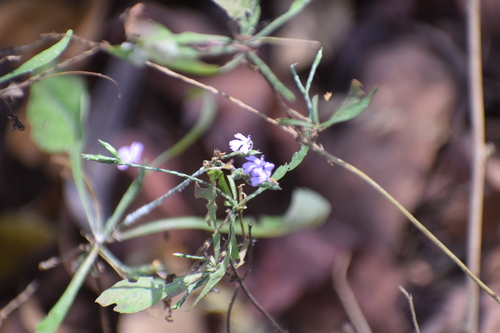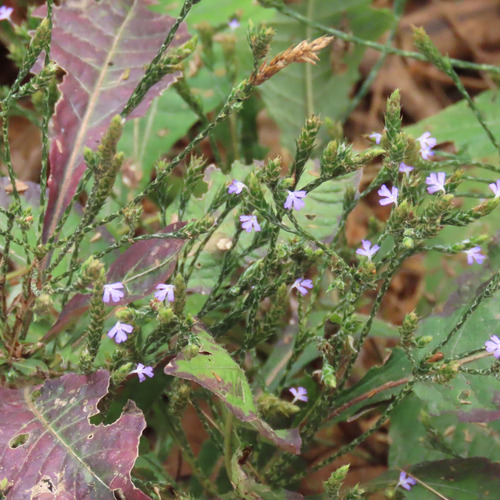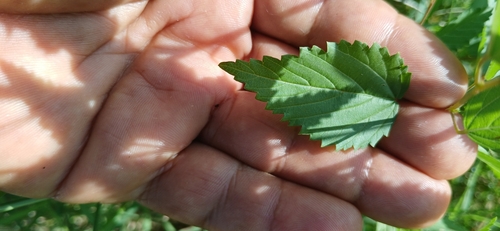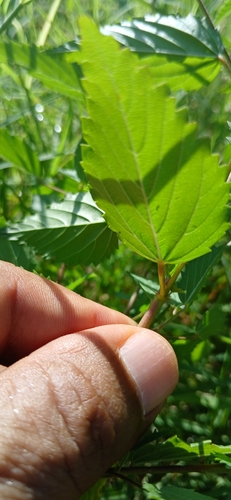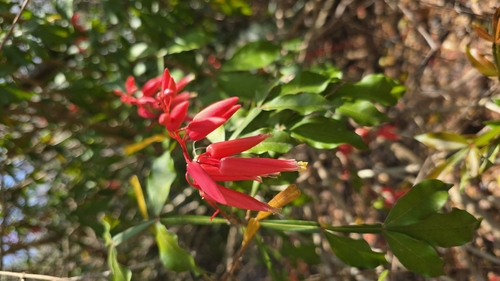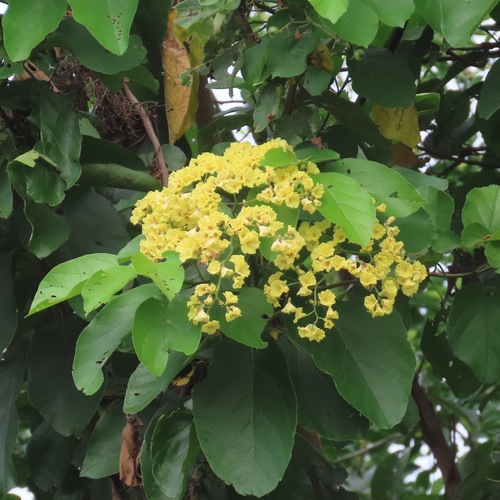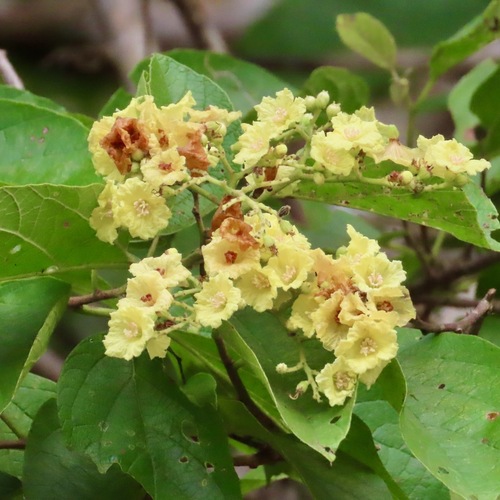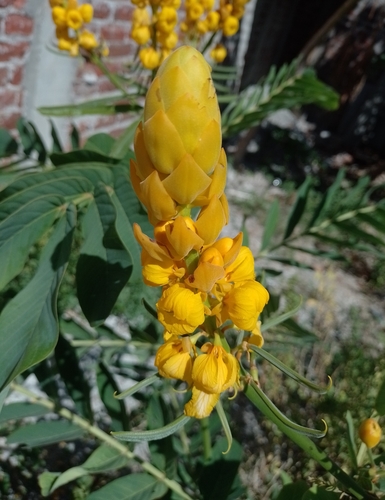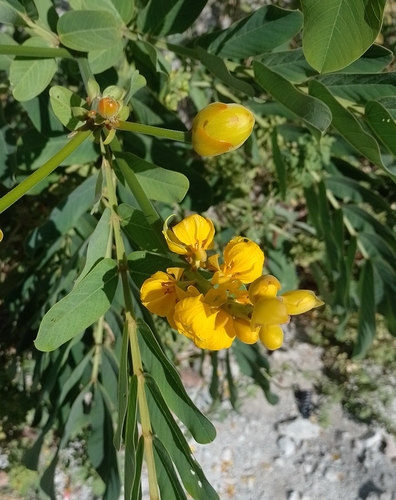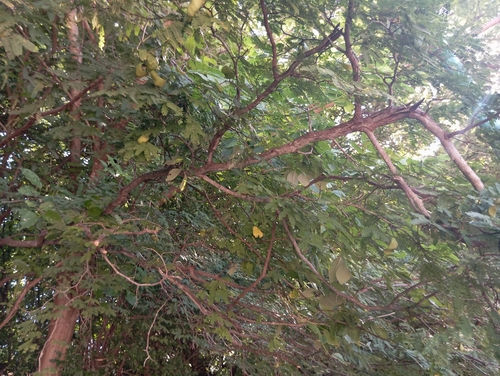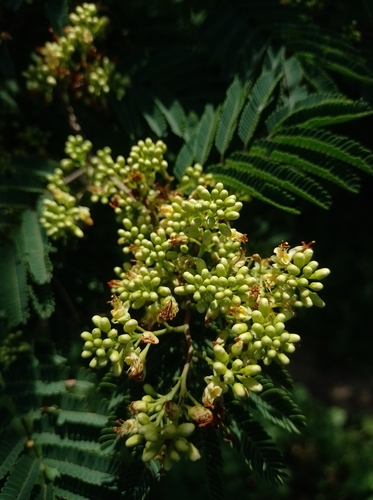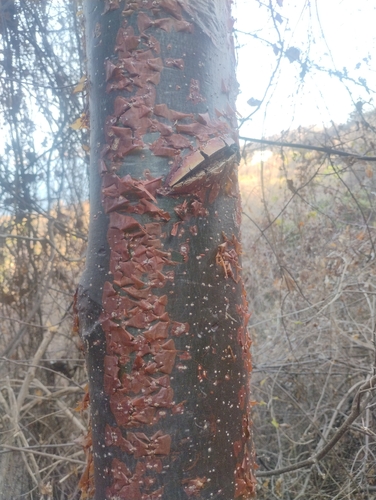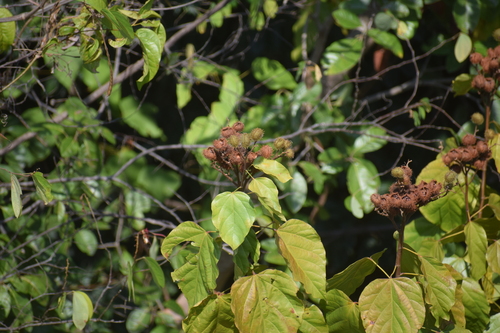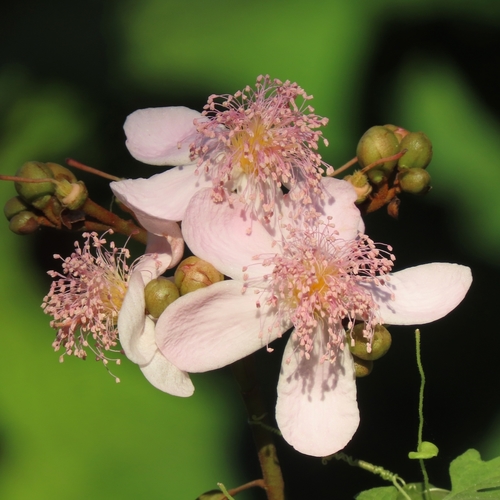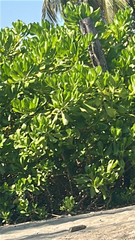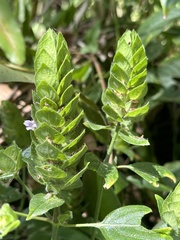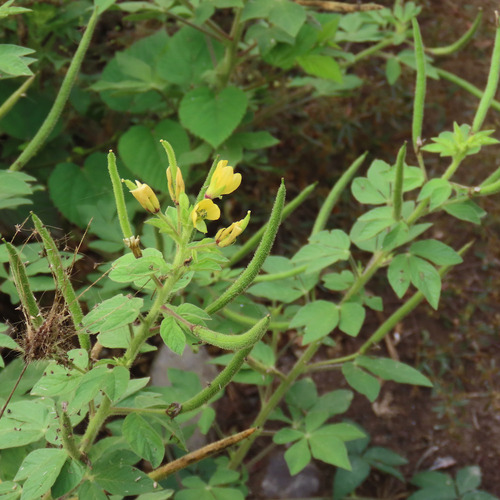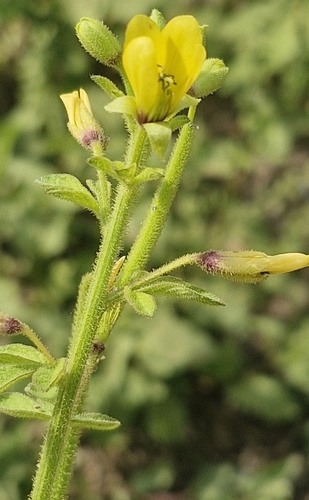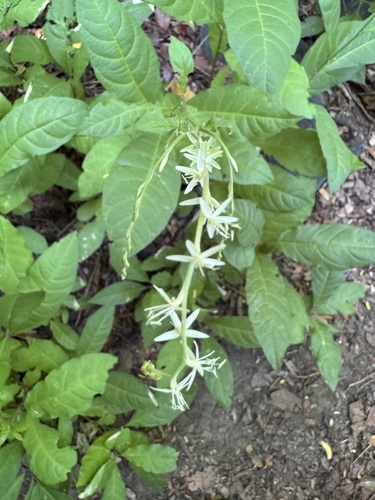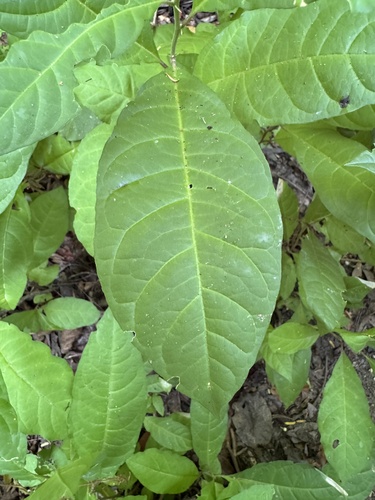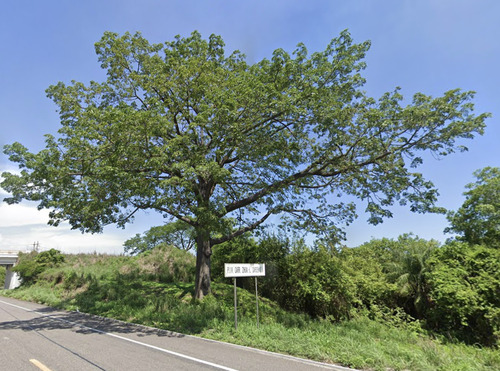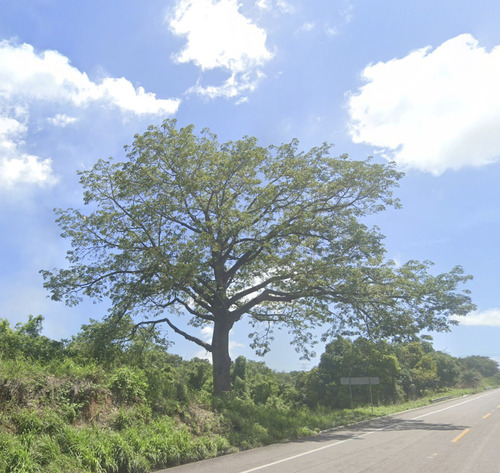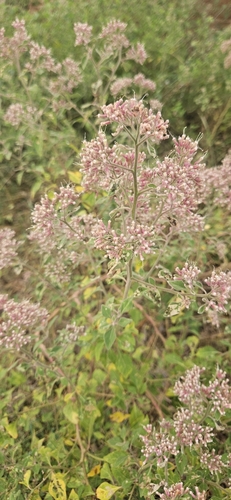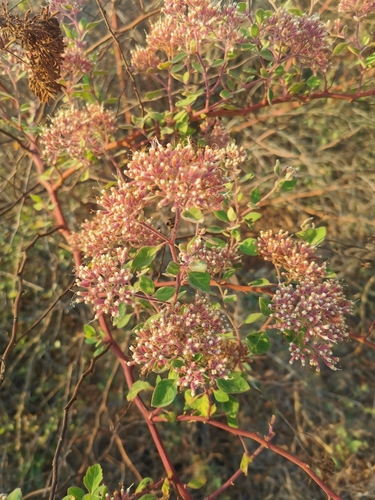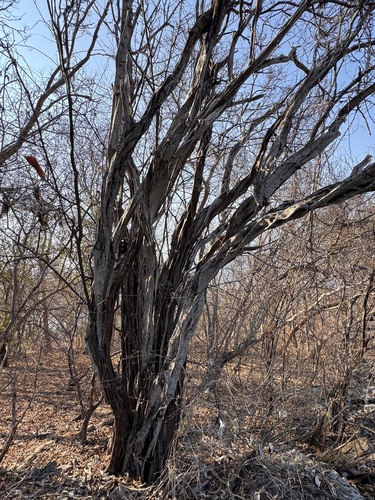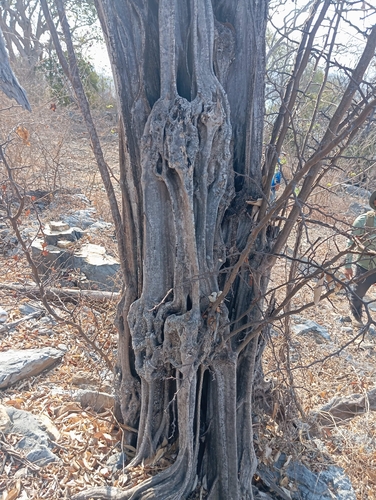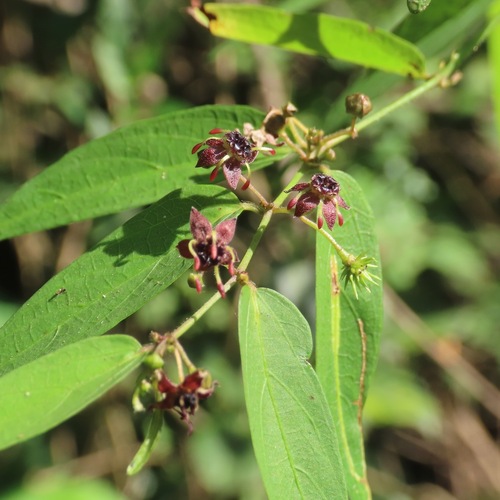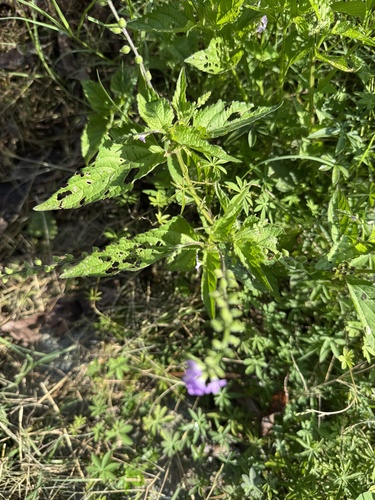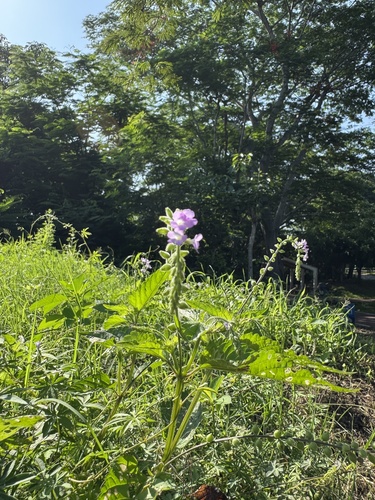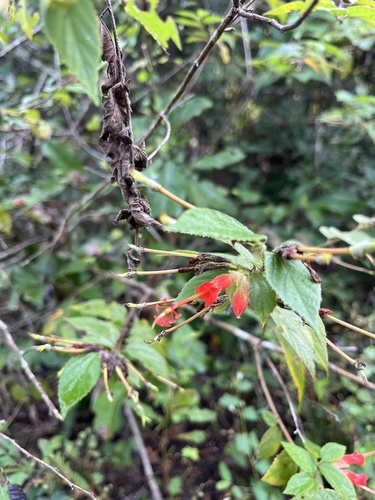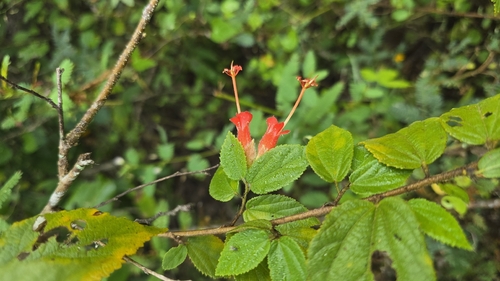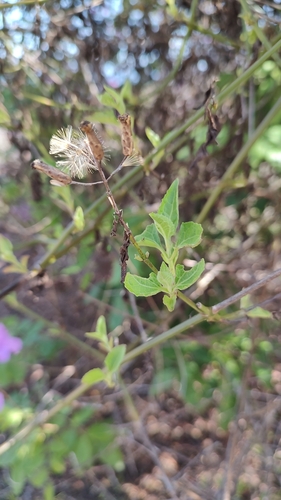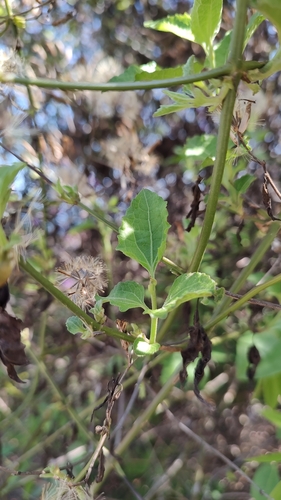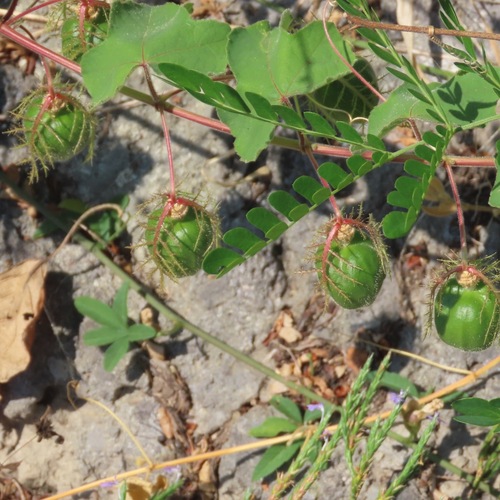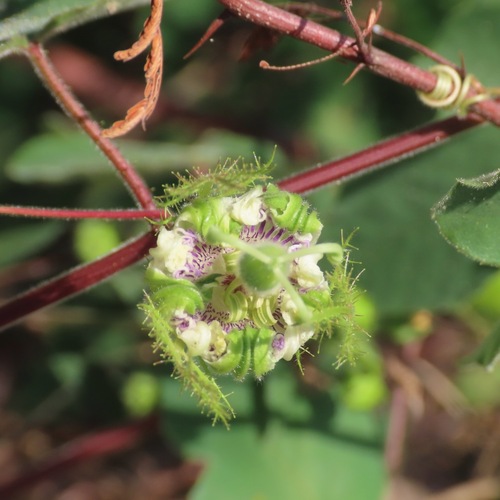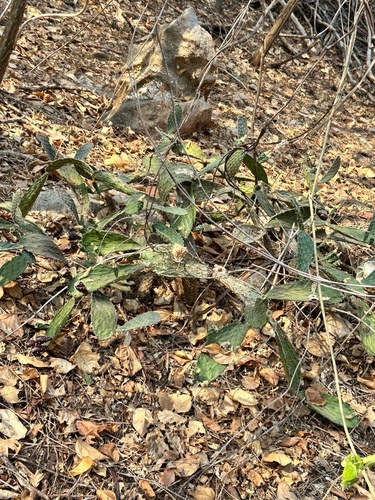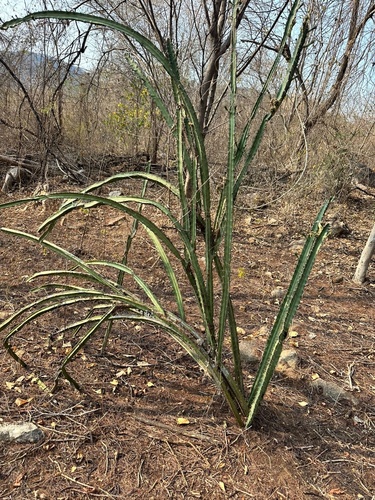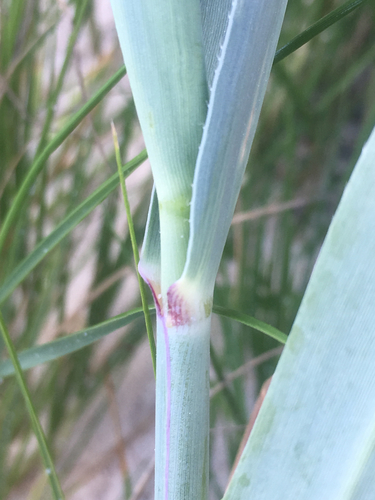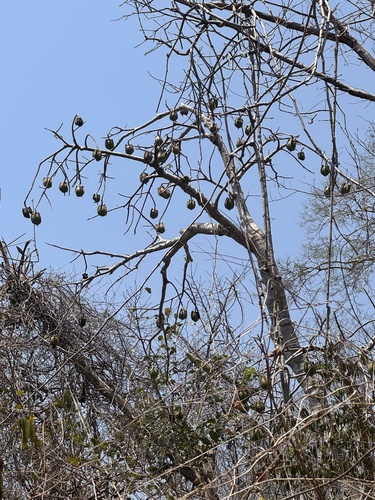
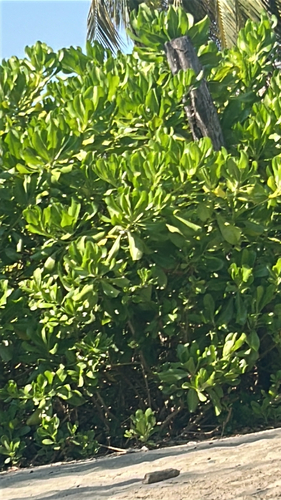
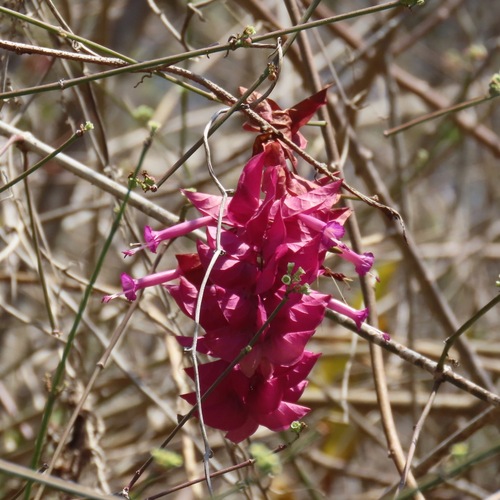
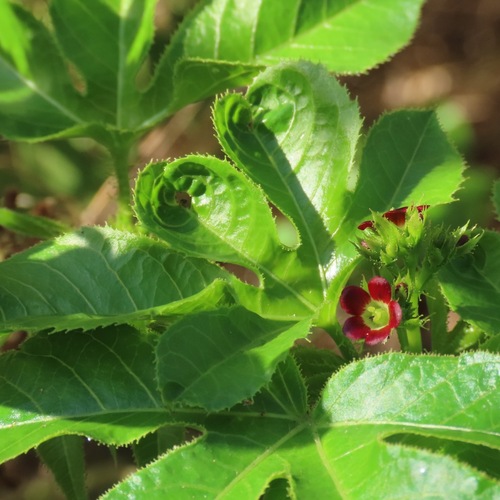
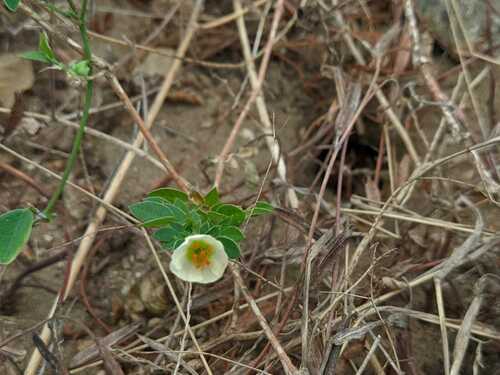
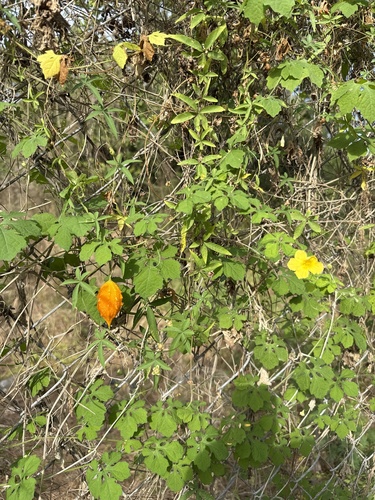
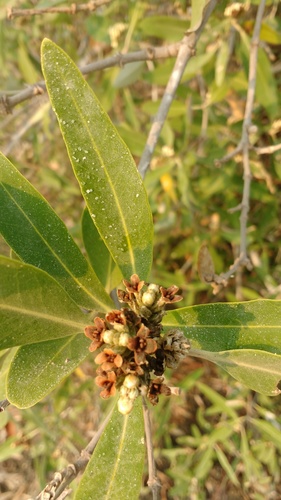
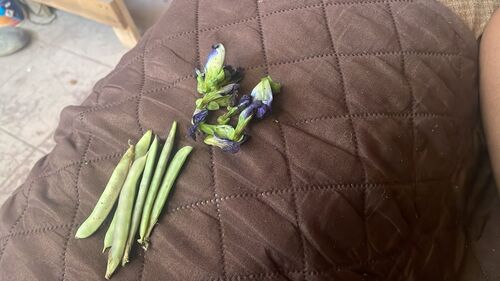
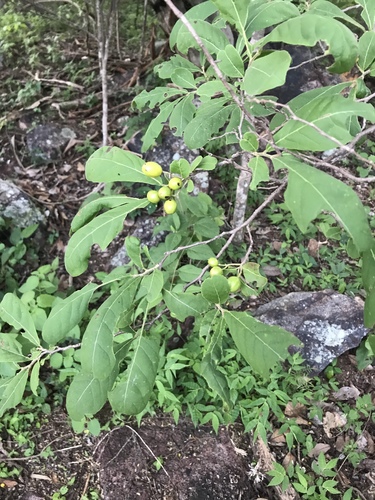
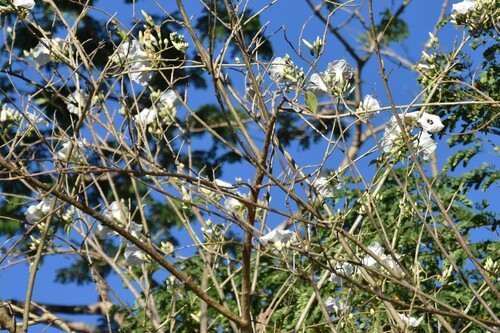
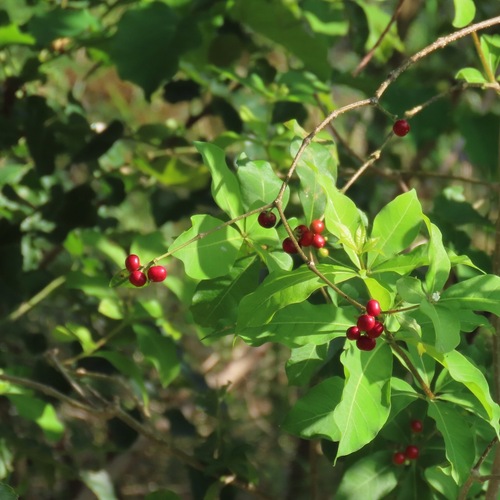
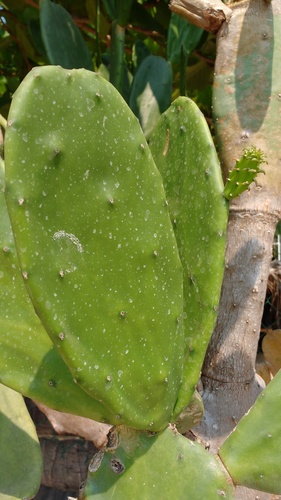
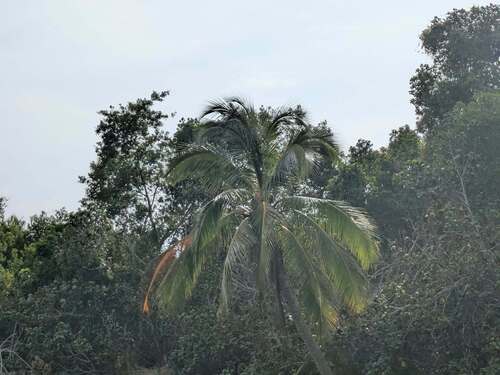
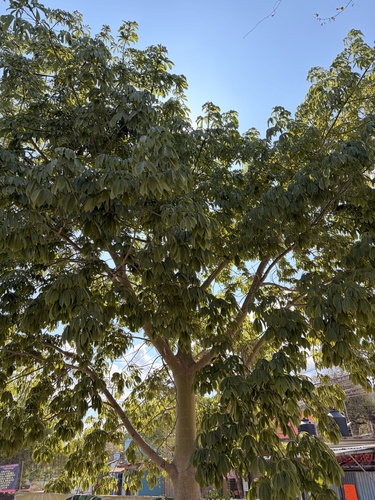
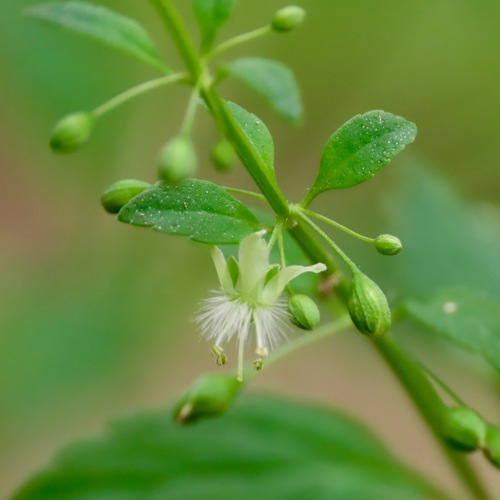
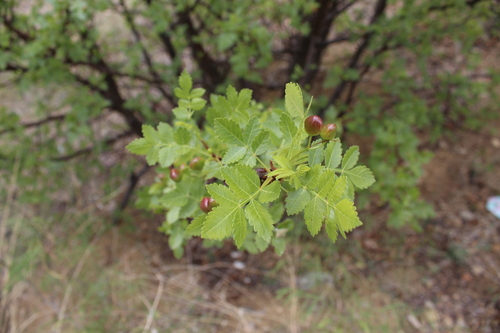
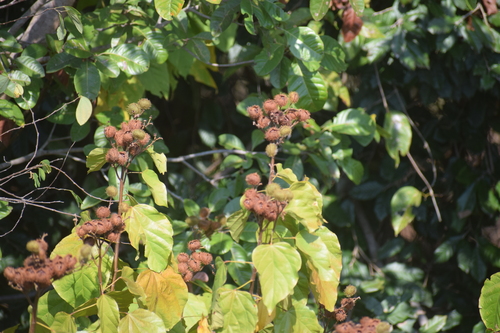
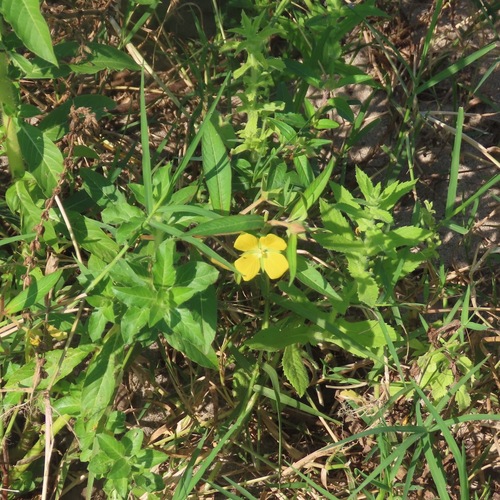
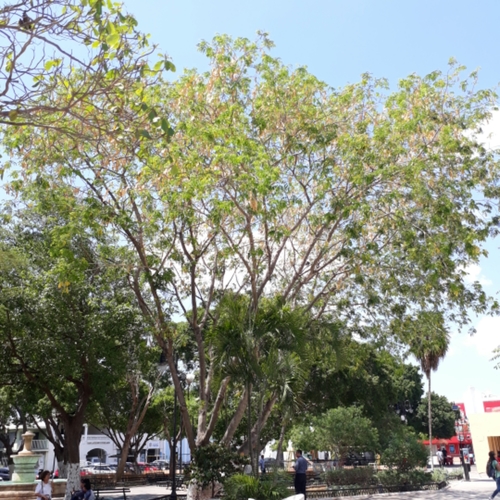
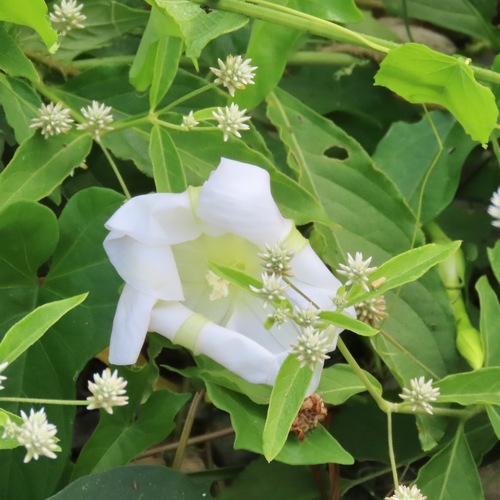
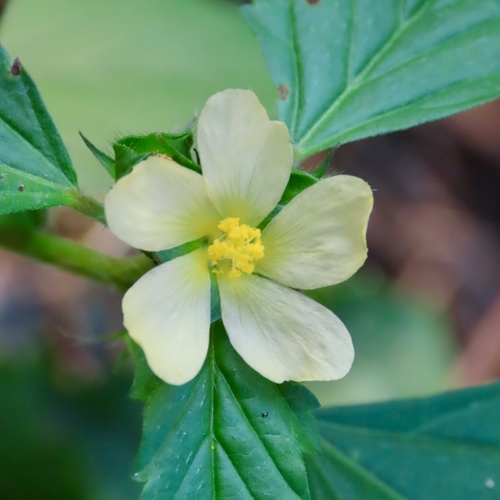
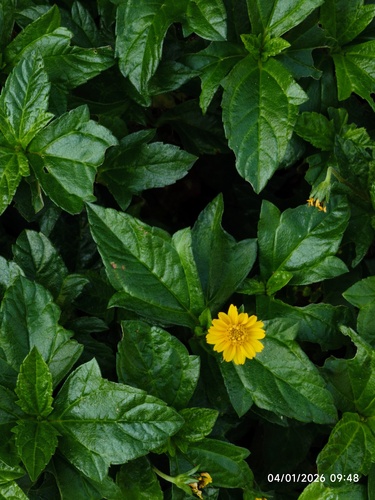
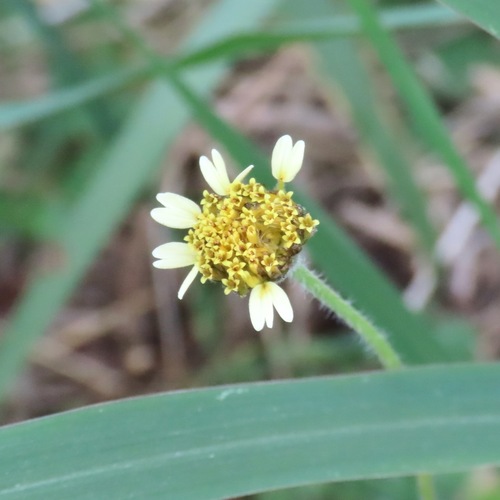
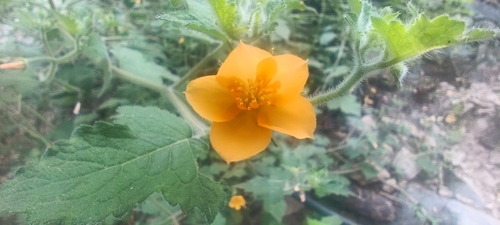
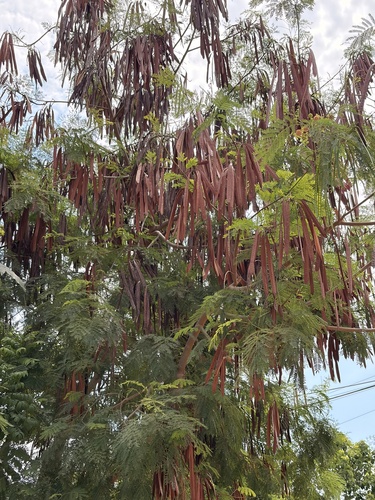
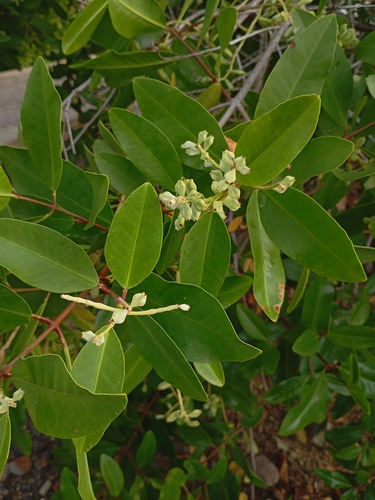
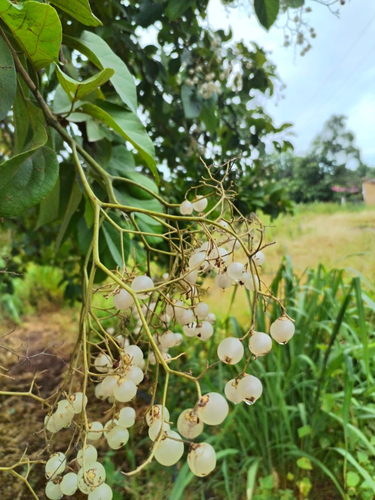
Be-still tree
Cascabela thevetia · venenillo, trompetita, maravilla, codo de fraile, calavera, solimán
DeadlySkin and wounds
Extremely poisonous. One or two seeds have killed children. Symptoms: burning mouth, vomiting, diarrhea, slow irregular heartbeat, convulsions, heart failure.
All parts are poisonous; sap can cause skin reactions and smoke from burning the plant can be toxic.
Traditional uses (1)
Recorded uses of a poisonous plant, listed as tradition, not advice. Read the warnings above.
- Pimples, boils, blackheads, chronic sores (latex)Latex/sap
How to recognize it
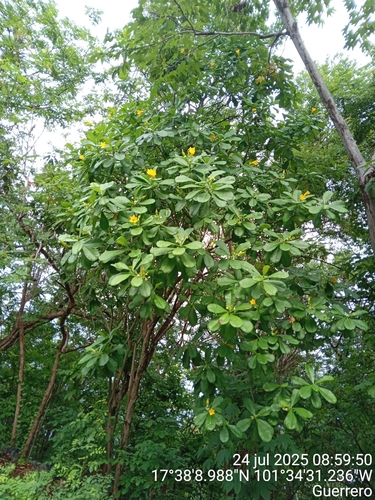
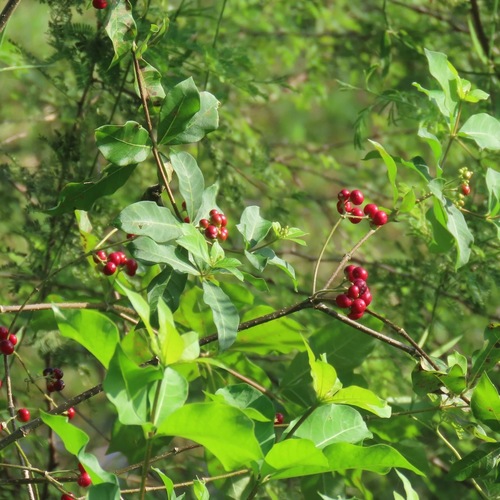
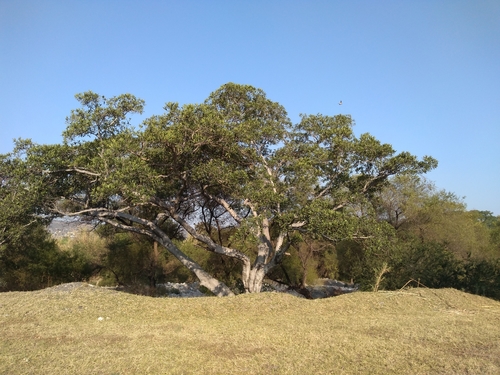
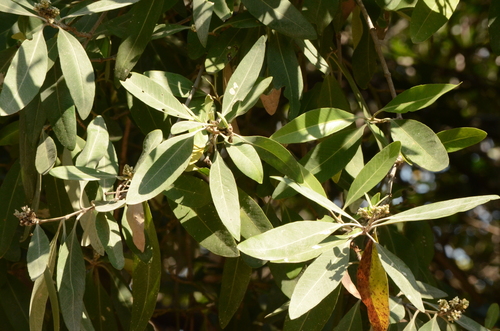
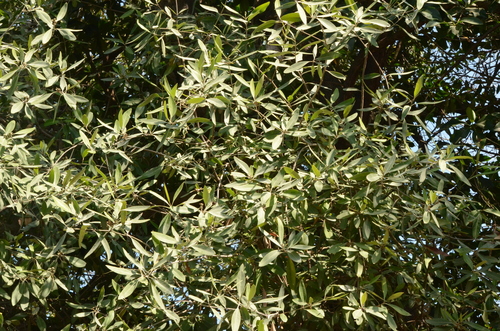
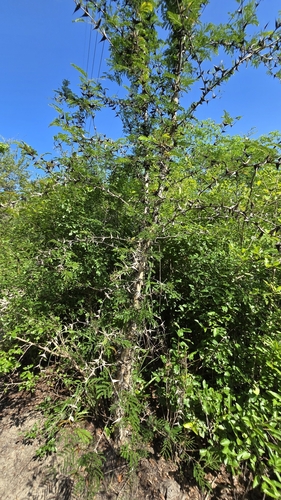
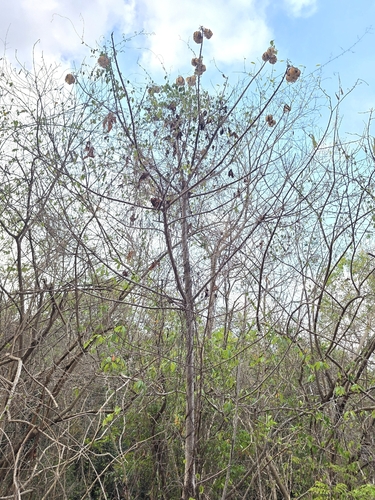
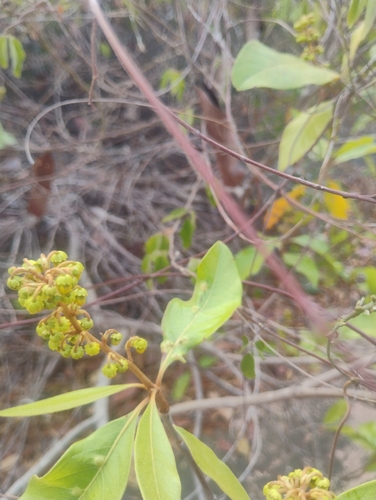
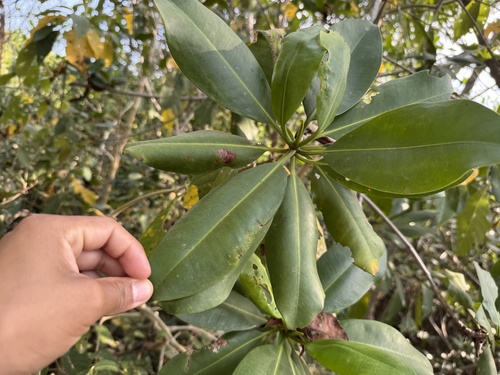
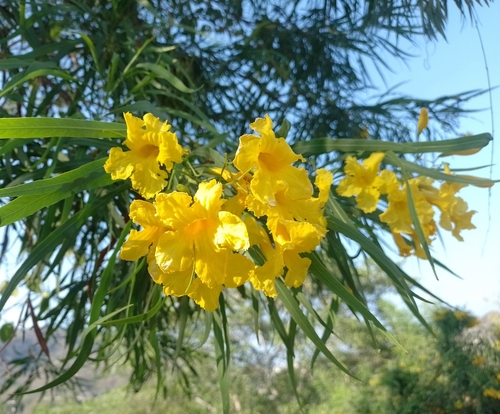
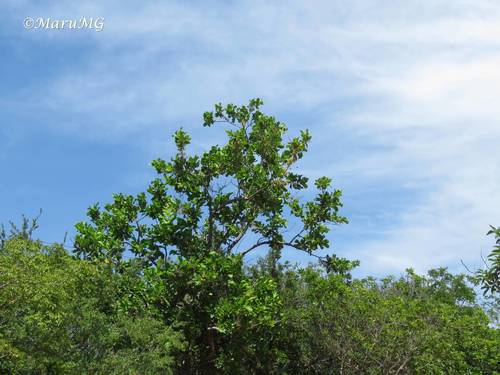
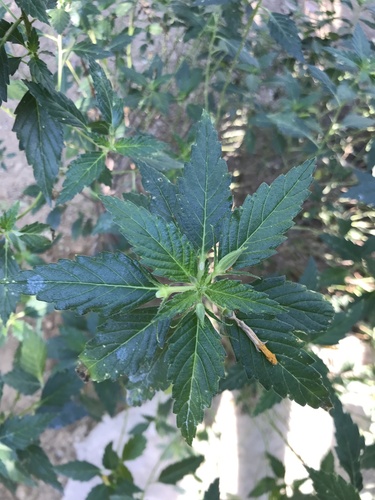
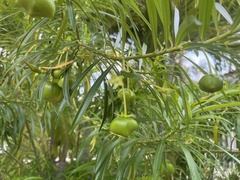
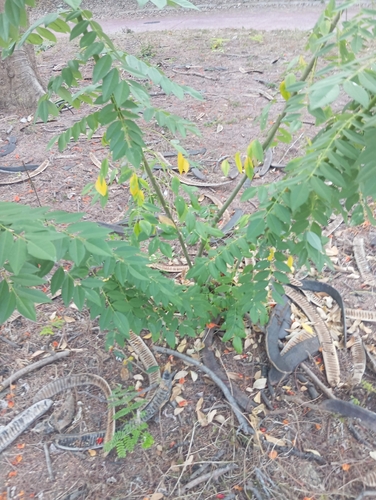
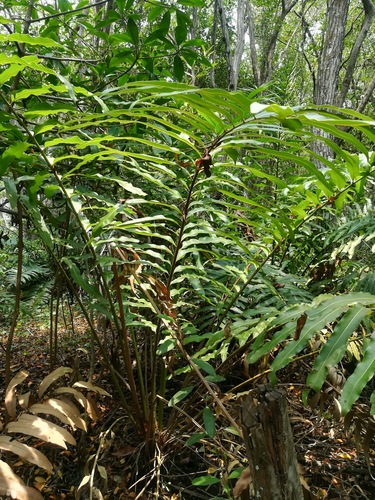
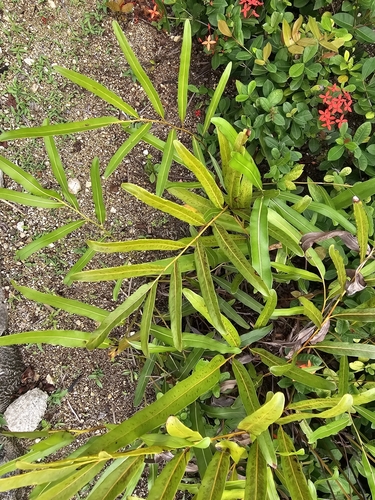
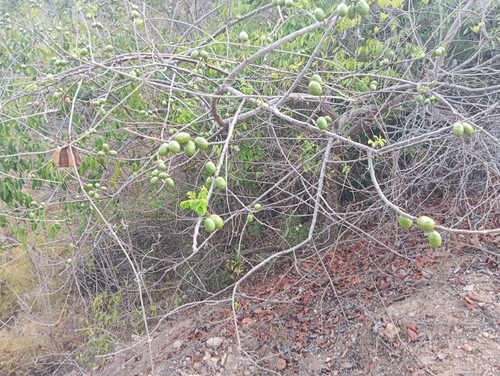
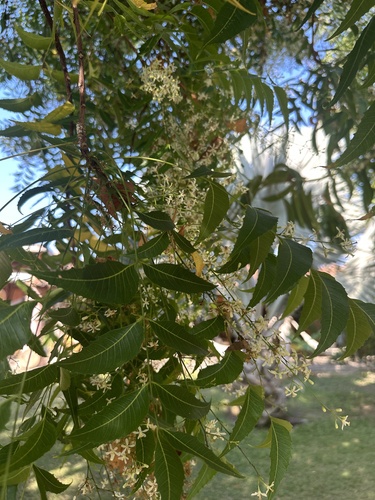
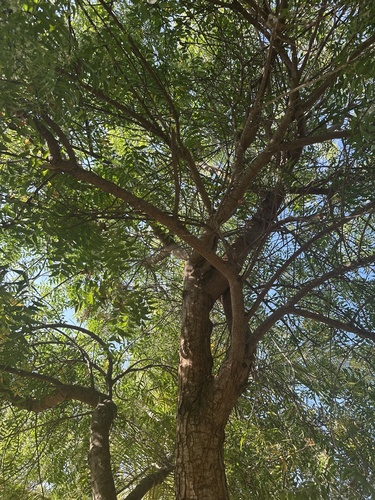
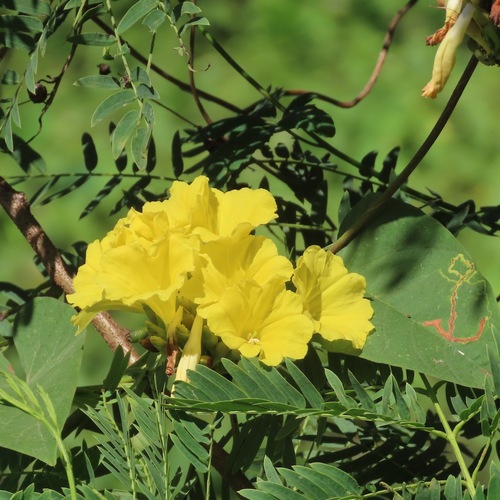
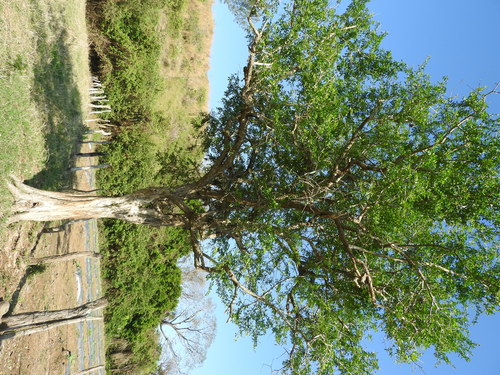
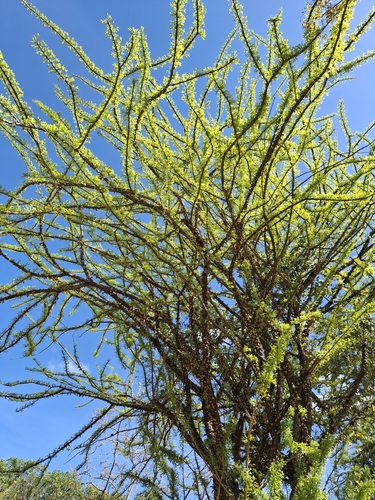
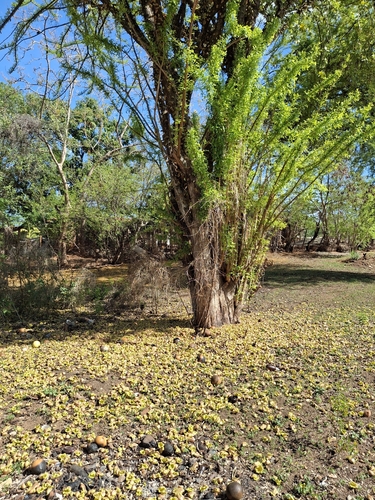
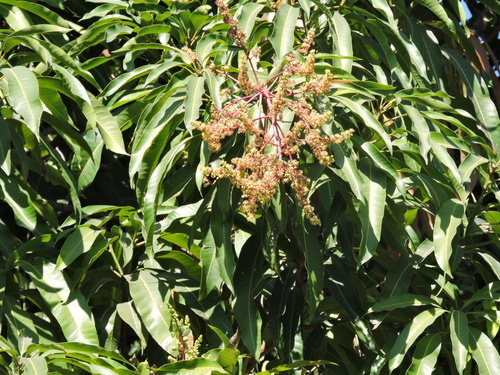
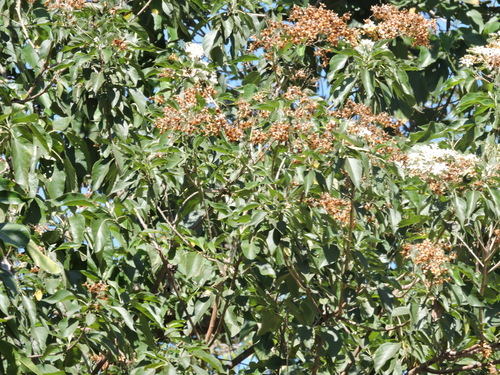
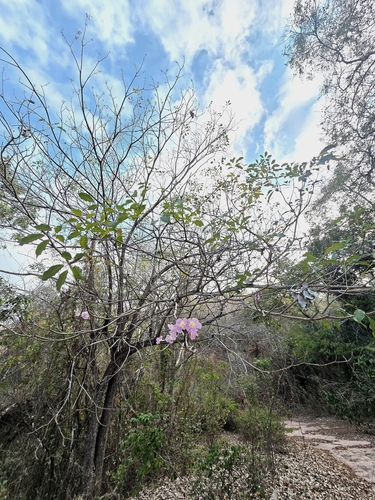
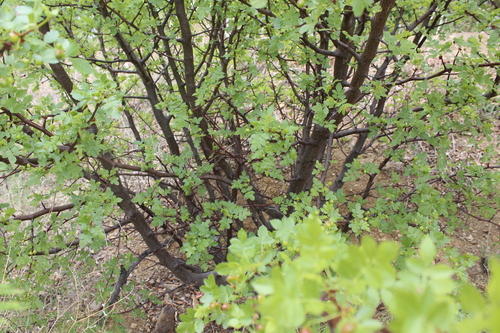
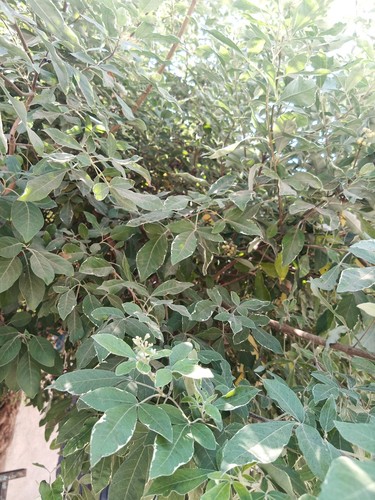
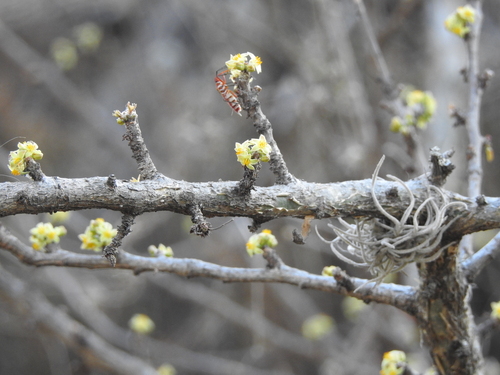
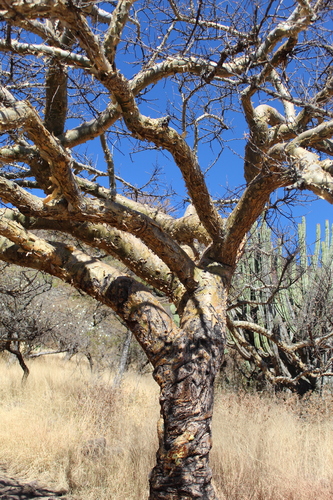
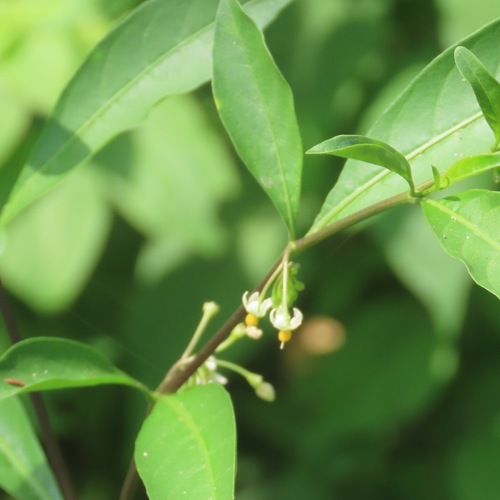
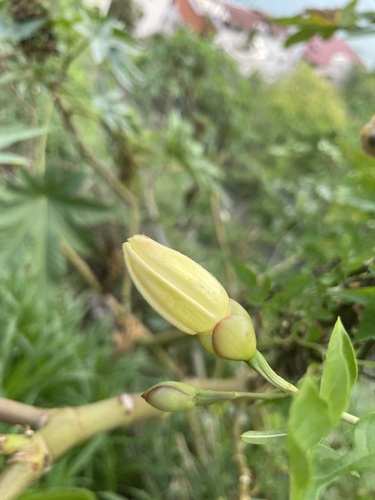
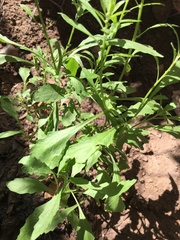
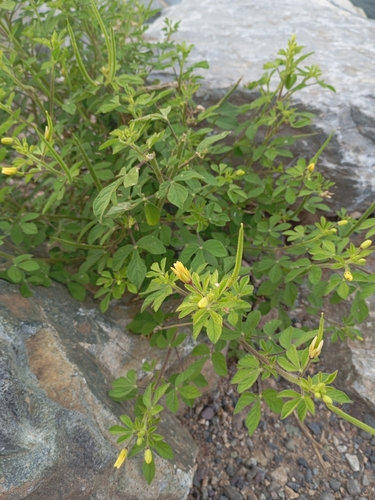
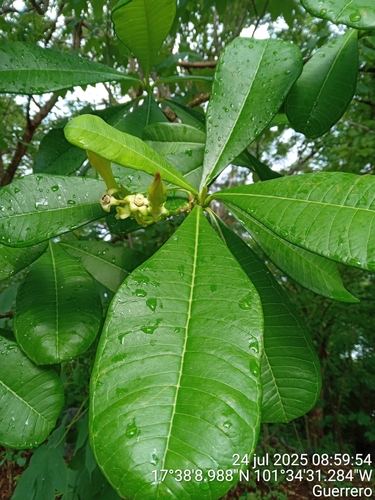
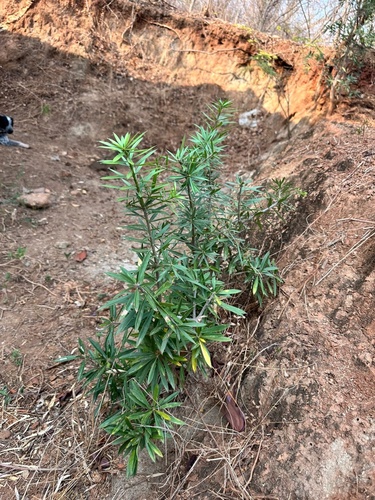
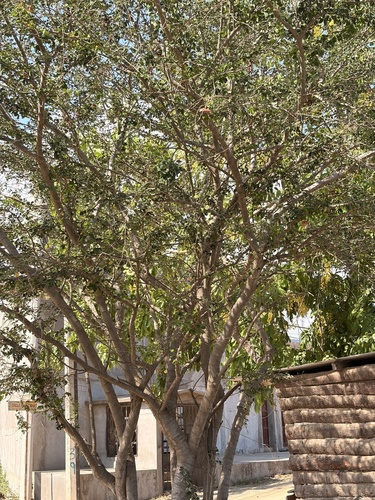
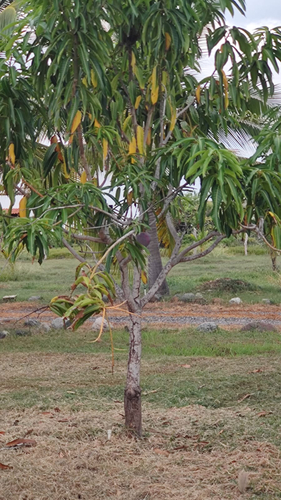
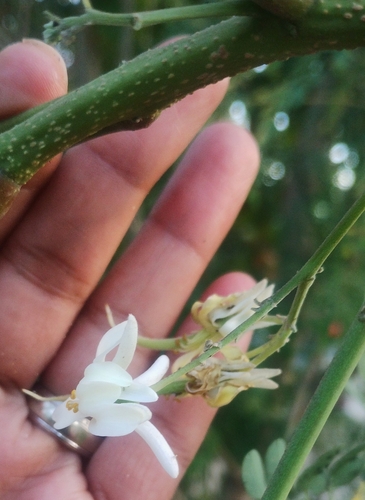
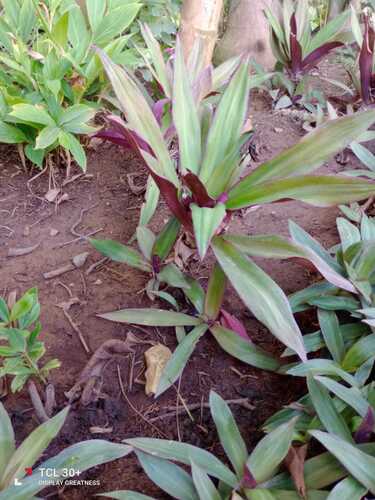
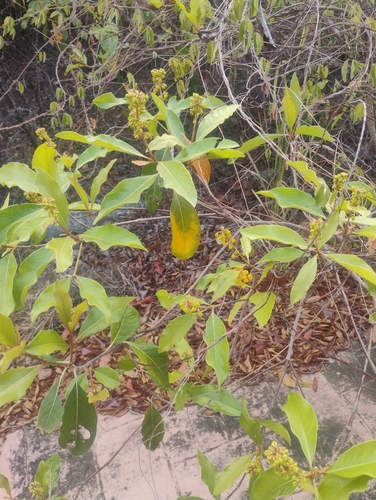
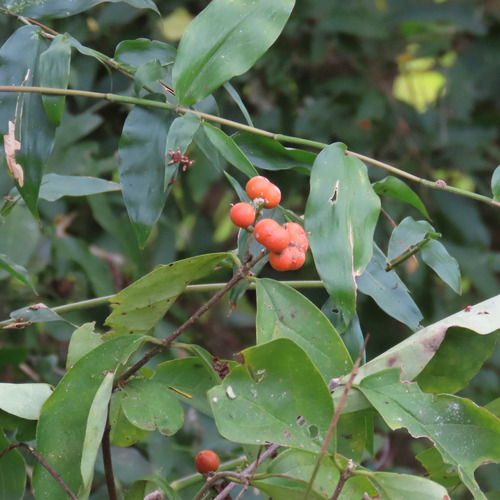
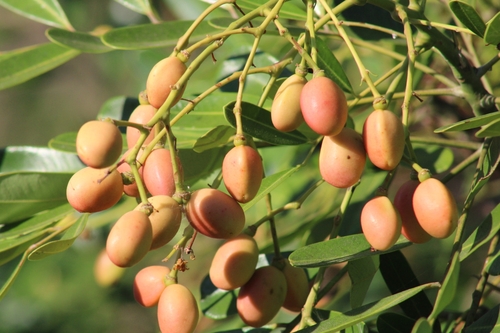
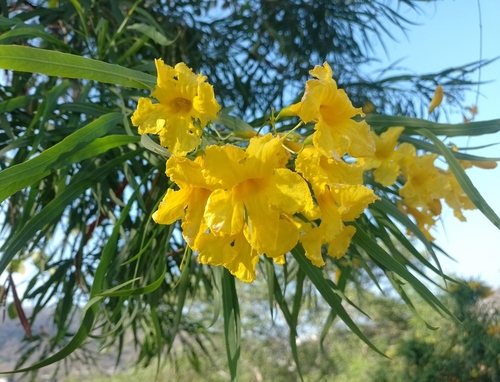
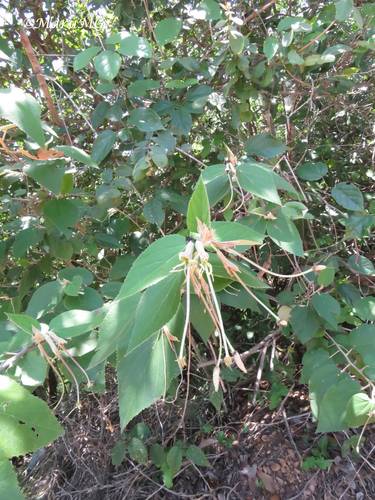
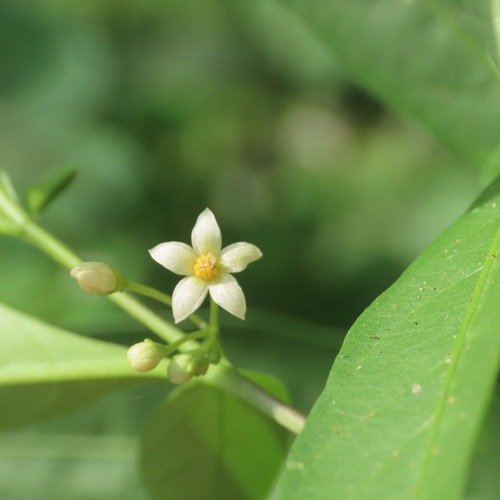
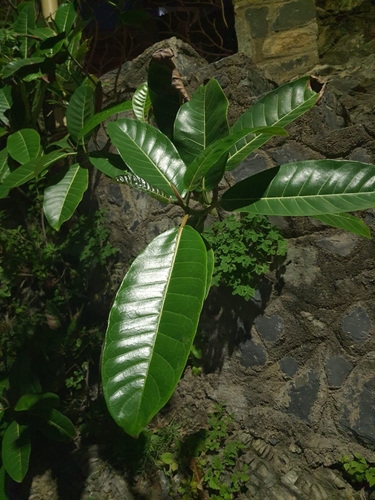
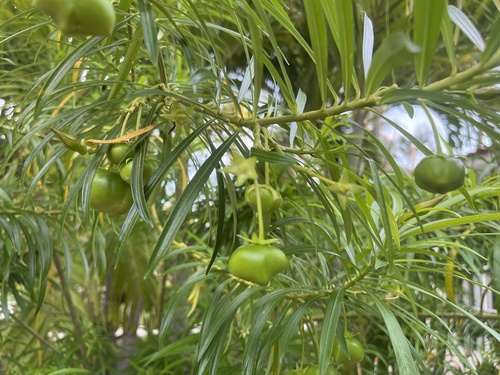
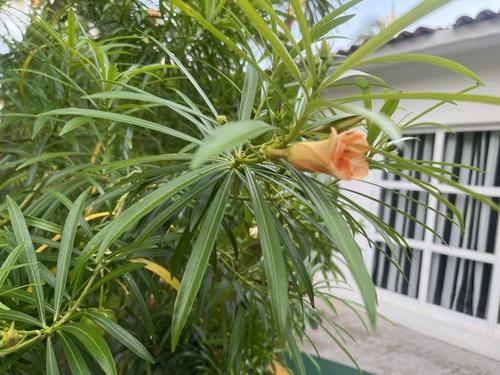
- Shrub or small tree, evergreen
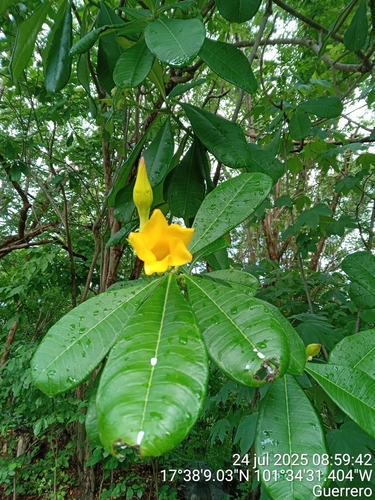
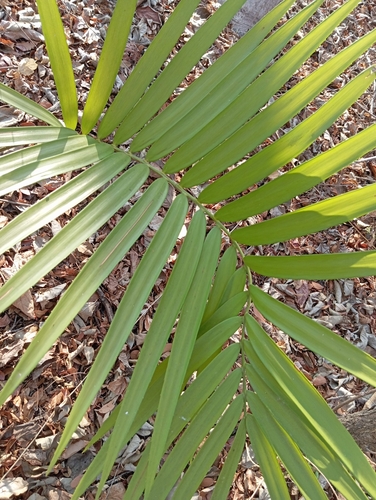
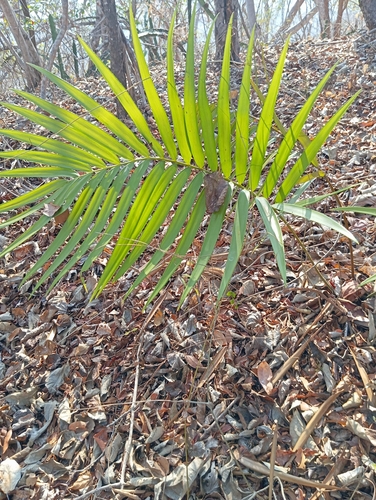
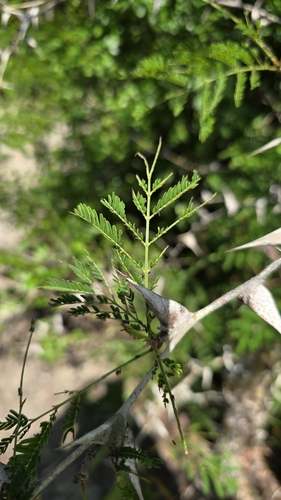
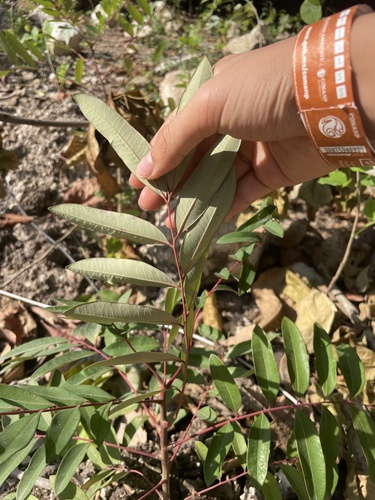
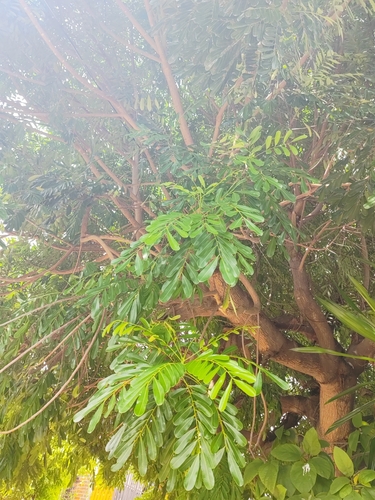
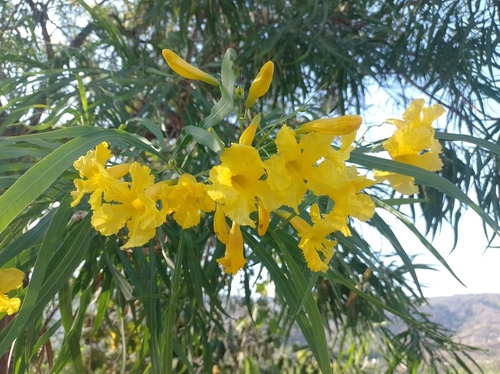
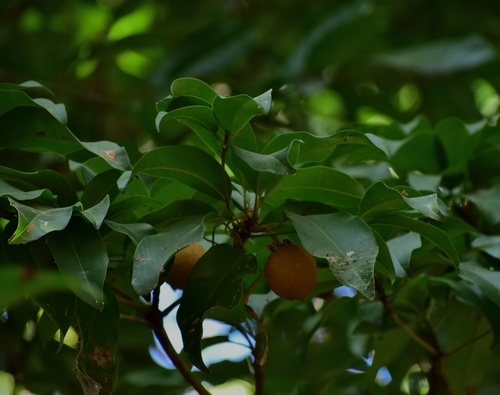
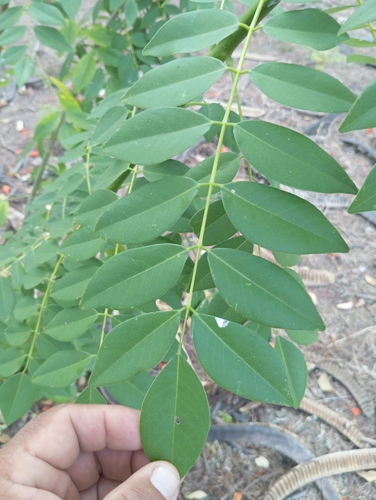
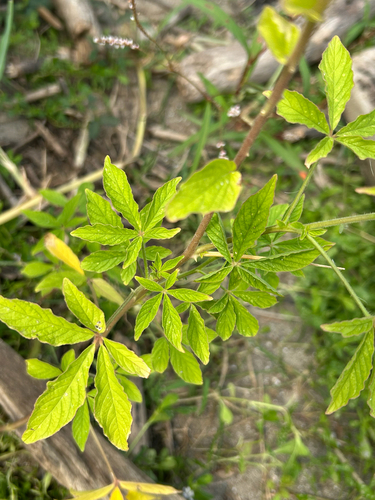
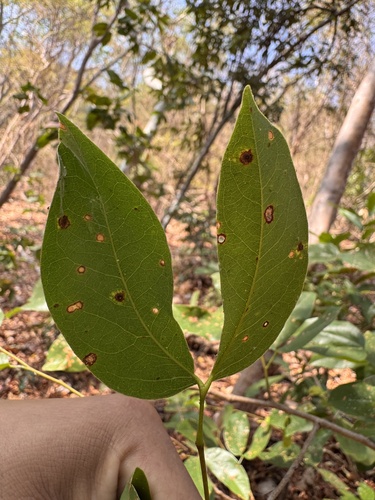
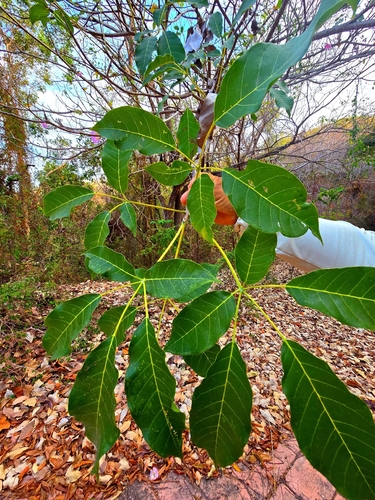
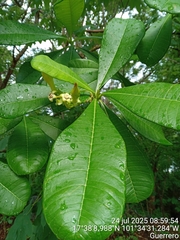
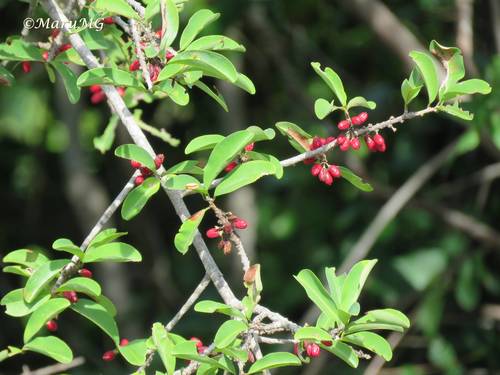
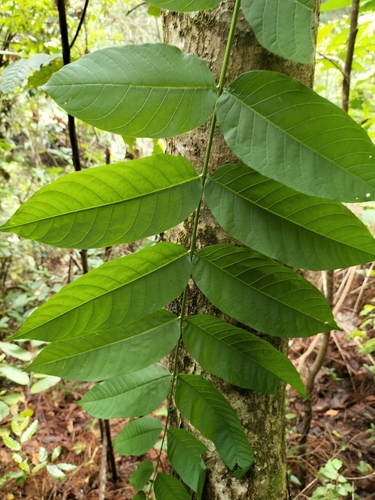
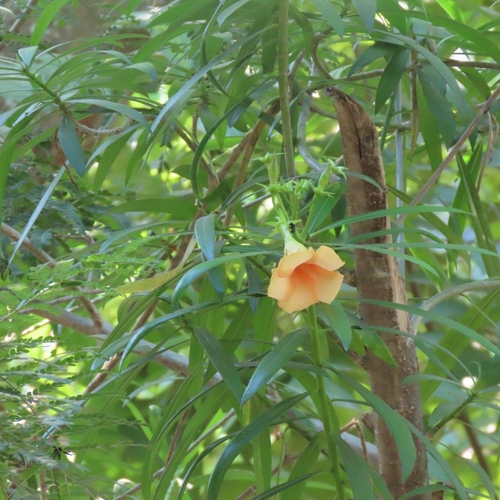
- Narrow, willow-like glossy leaves 15-18 cm with a clear midrib
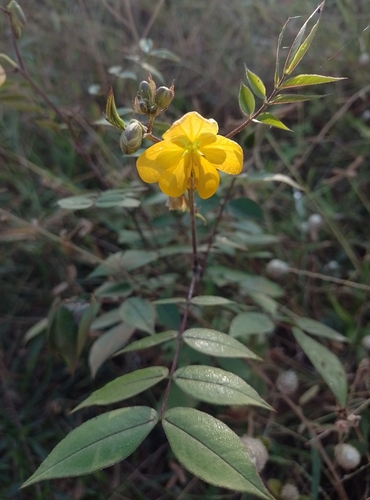
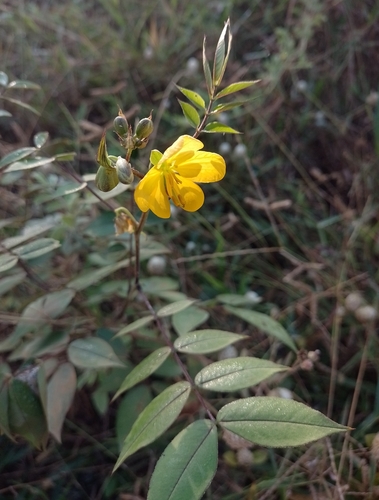
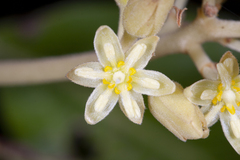
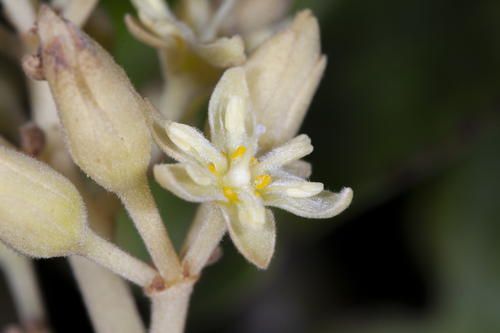
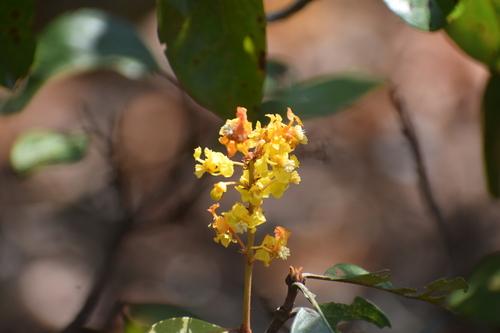
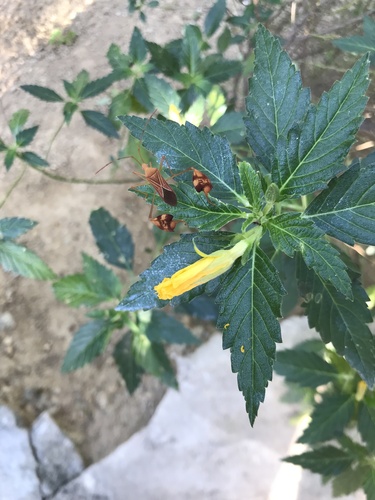
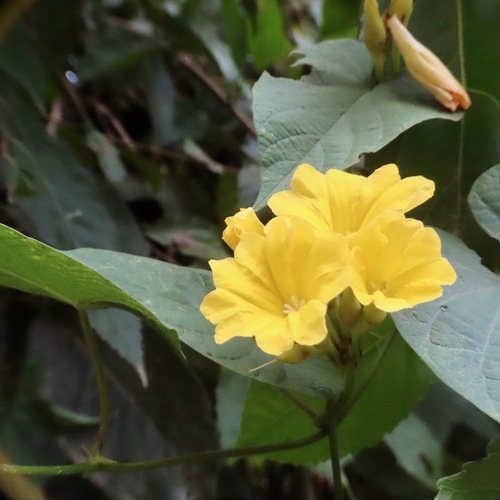
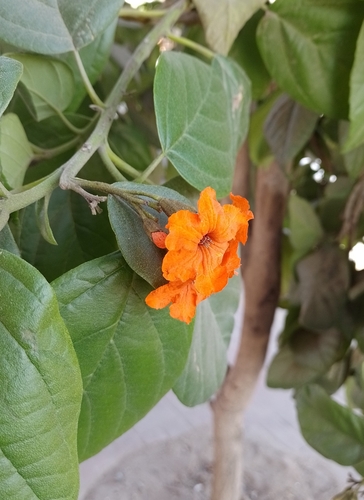
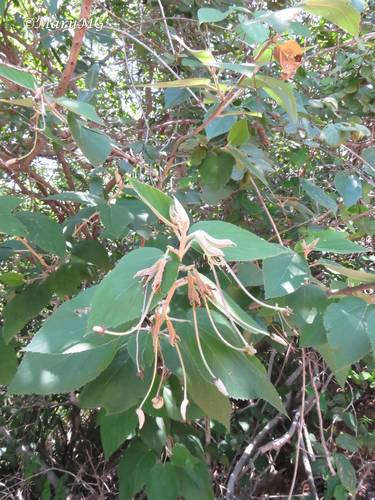
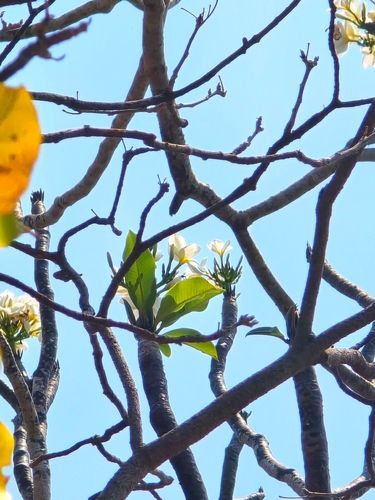
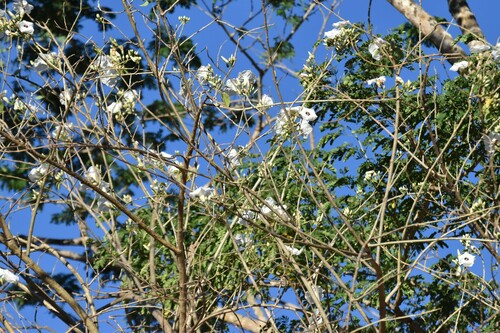
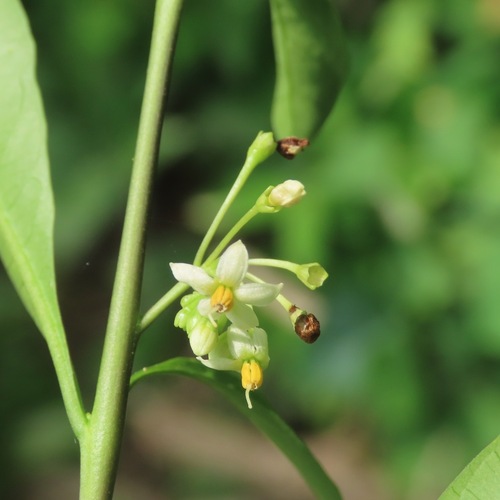
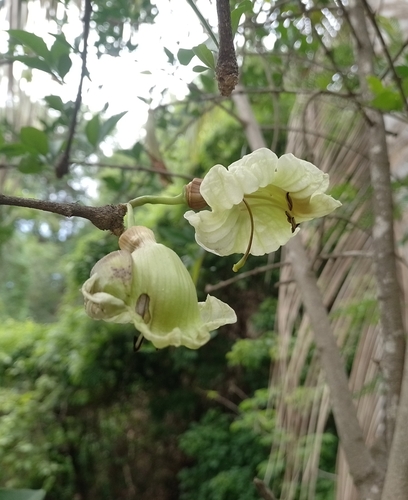
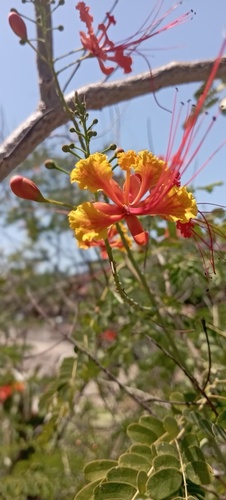
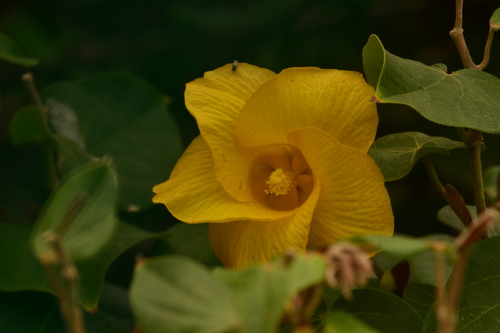
- Fragrant yellow or apricot funnel-shaped flowers about 7-8 cm long
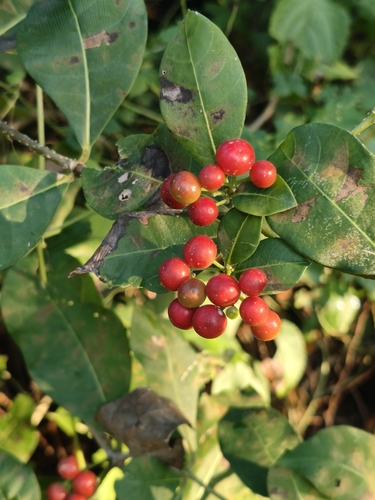
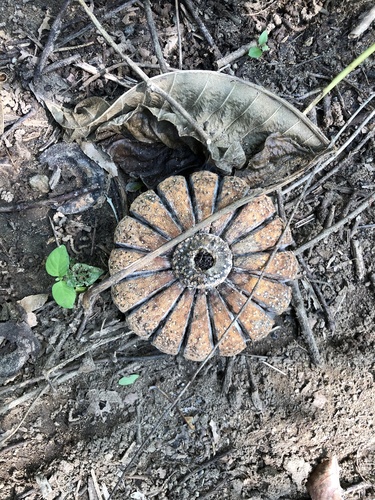
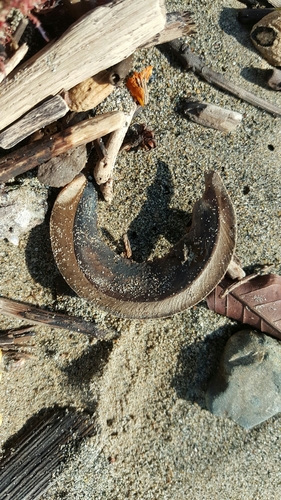
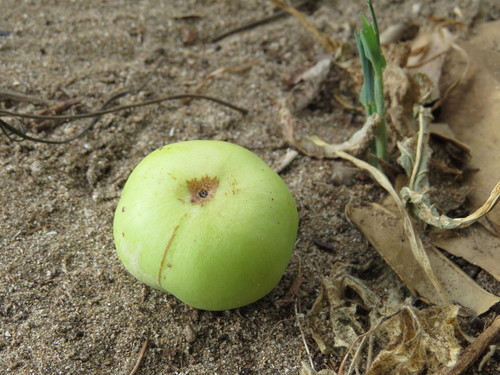
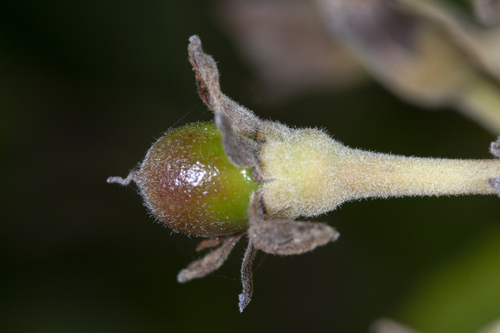
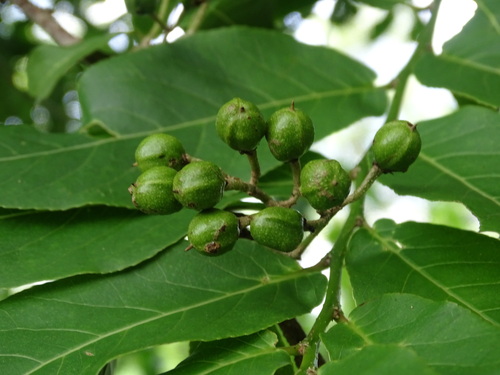
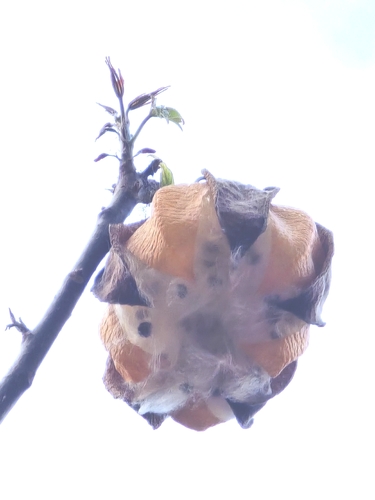
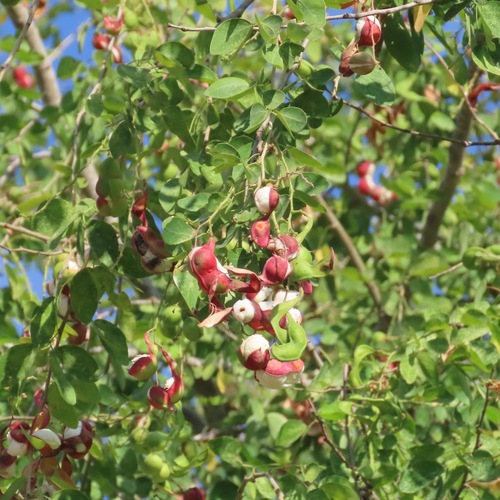
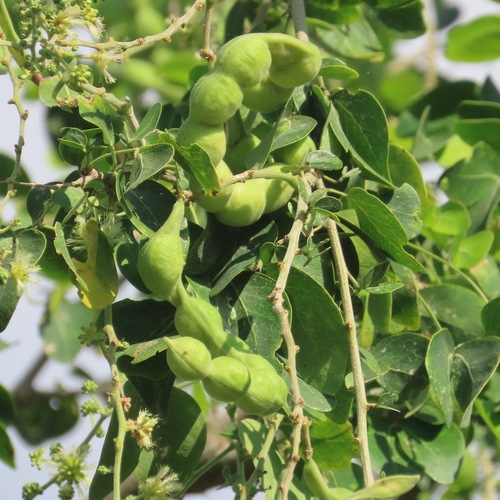
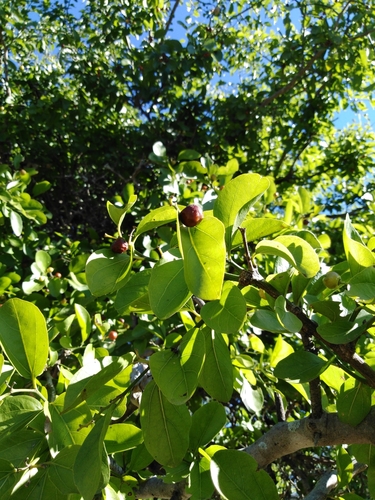
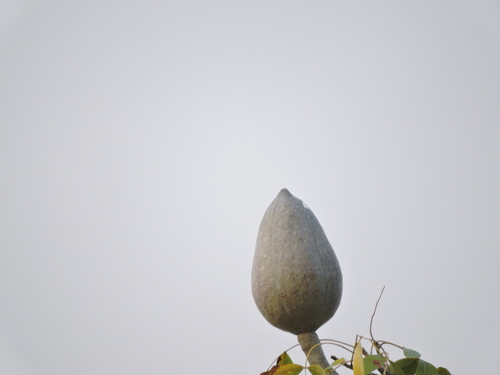
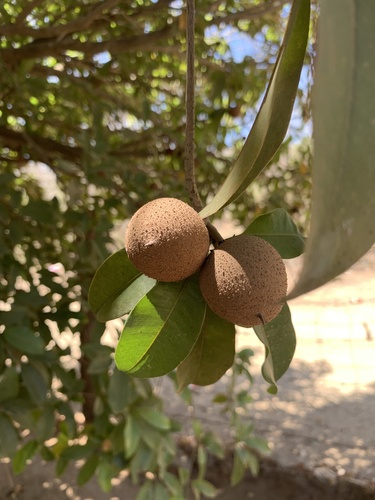
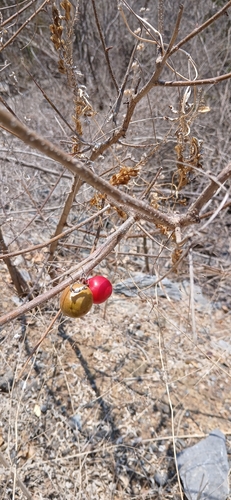
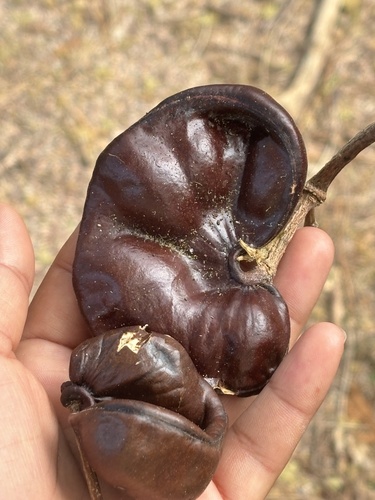
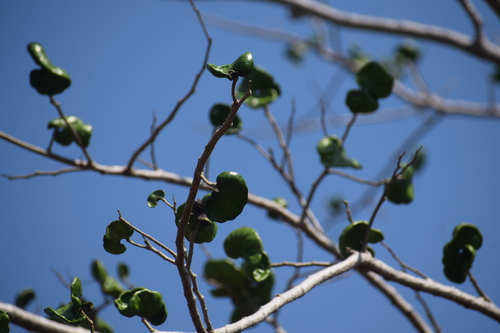
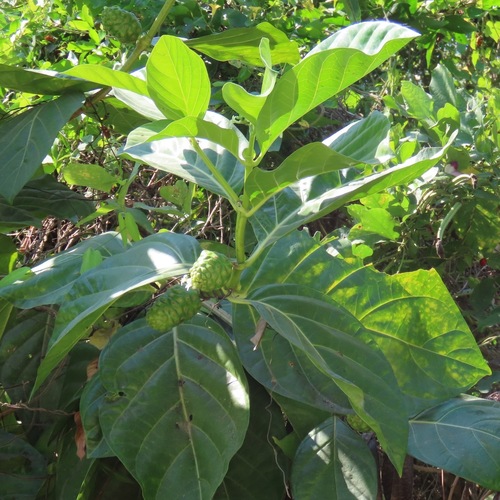
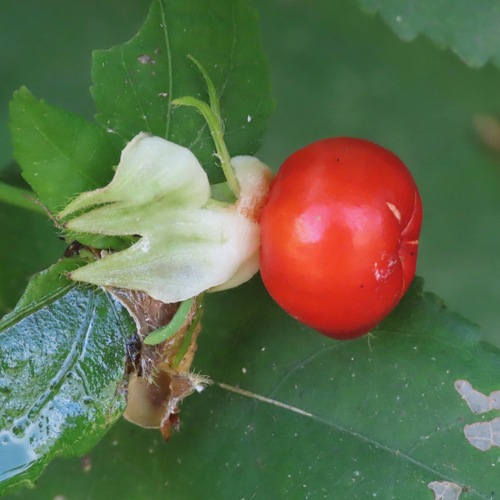
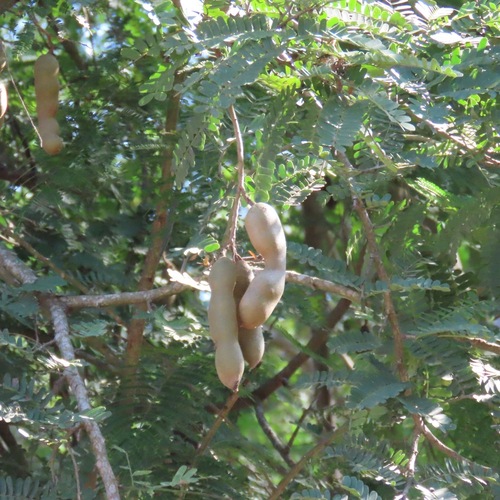
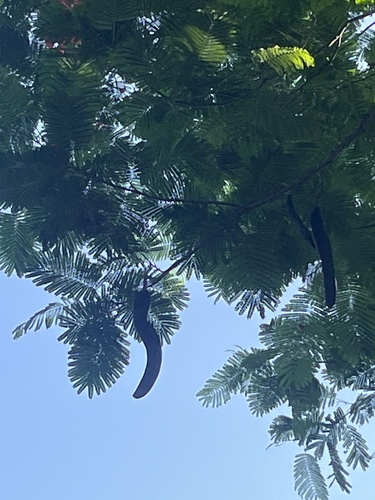
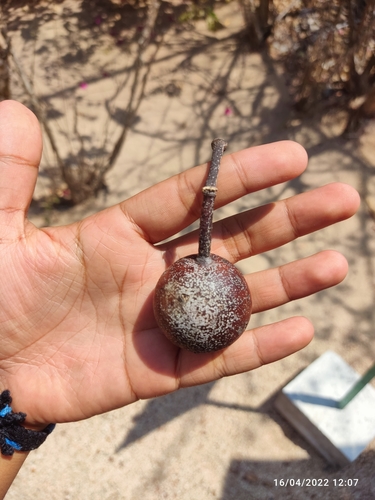
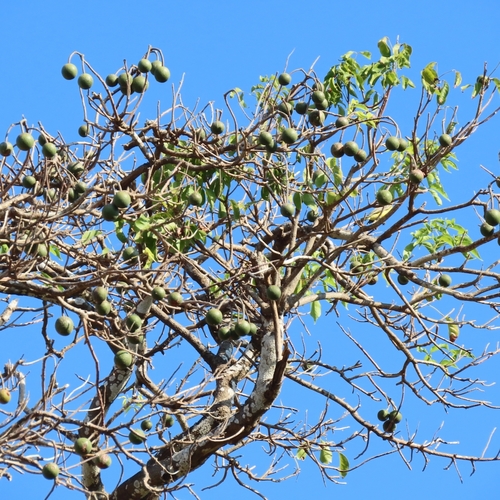
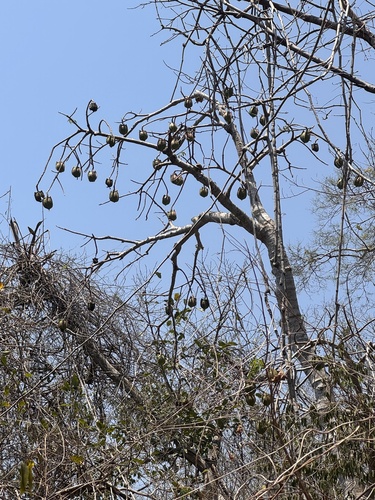
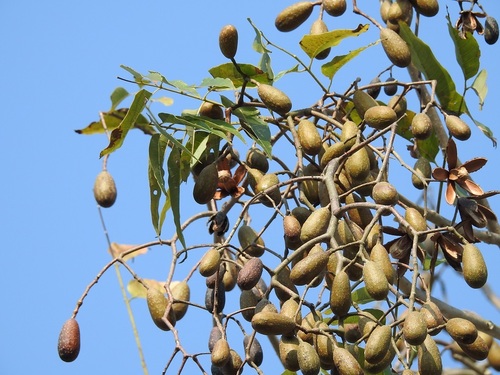
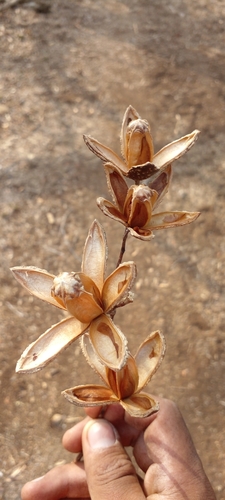
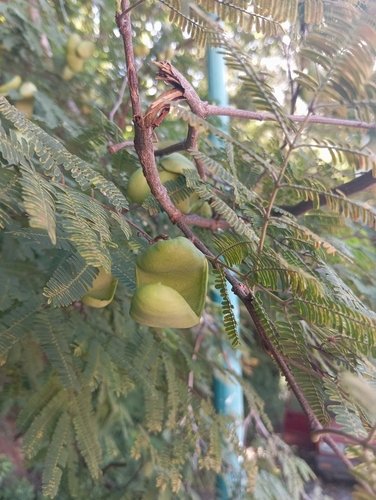
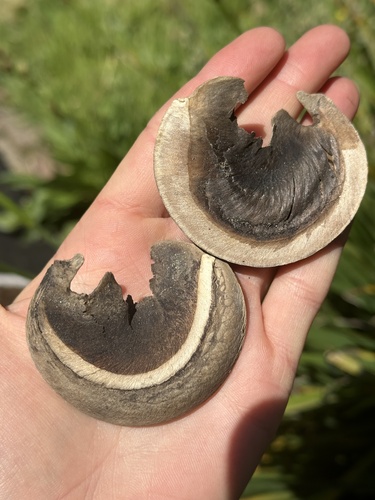
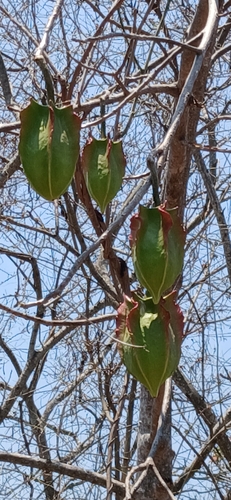
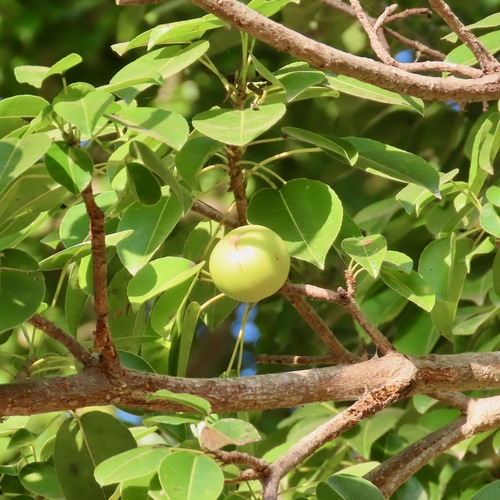
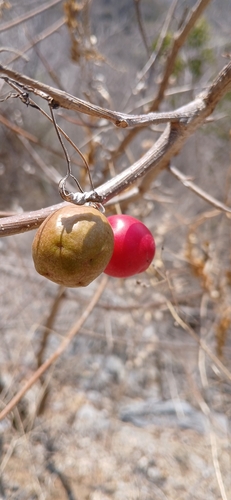
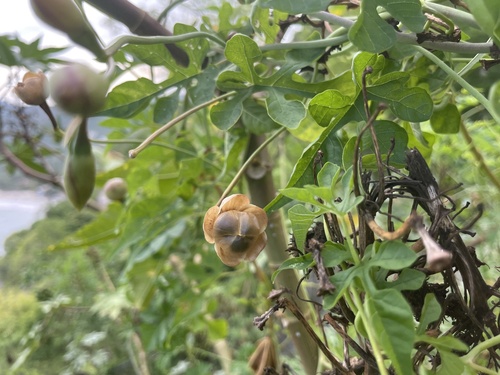
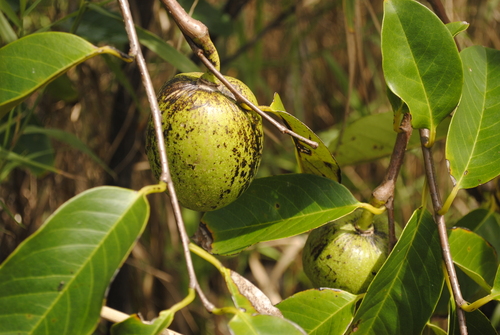
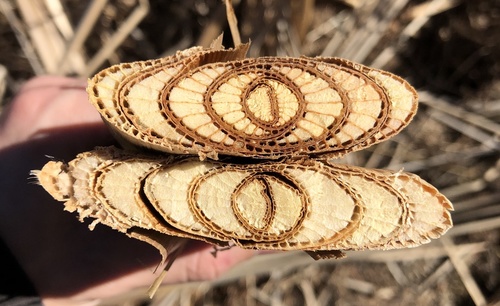
- Green fruits that turn black, each with 1-2 nut-like seeds
- Milky sap
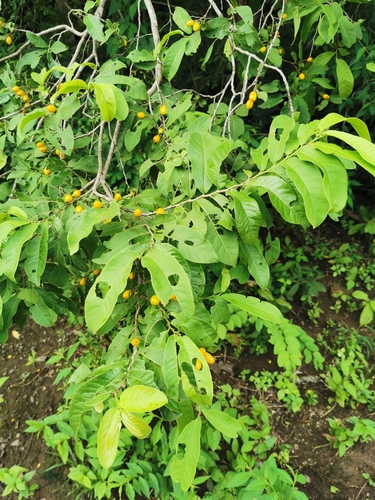
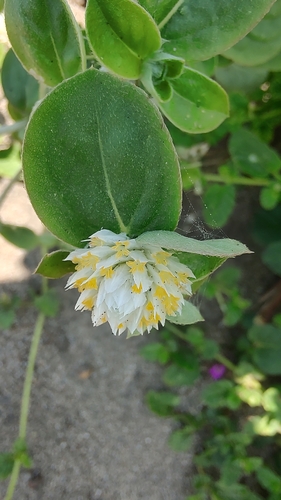
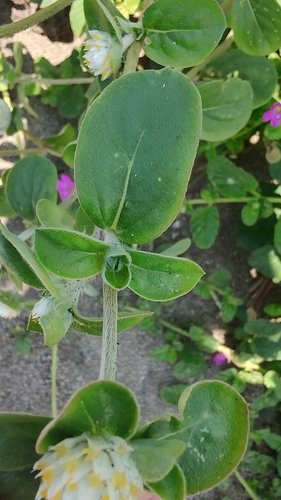
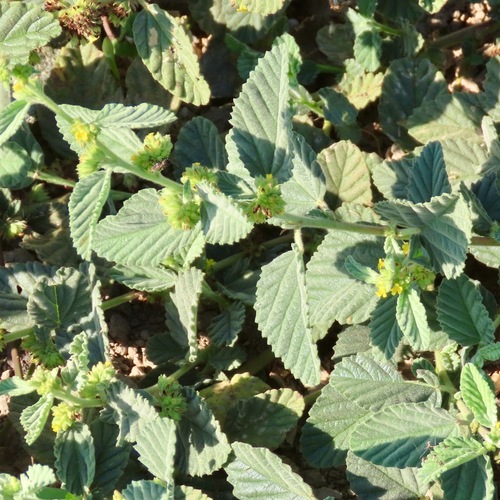
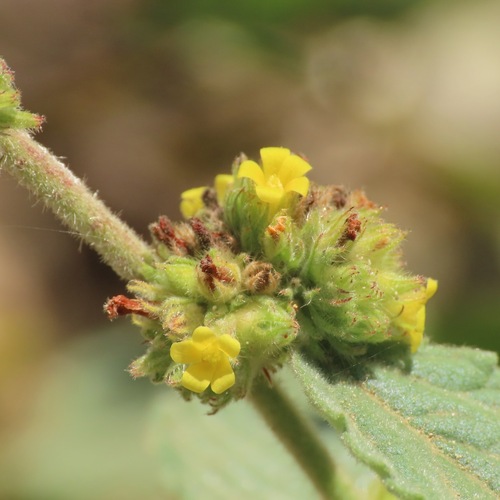
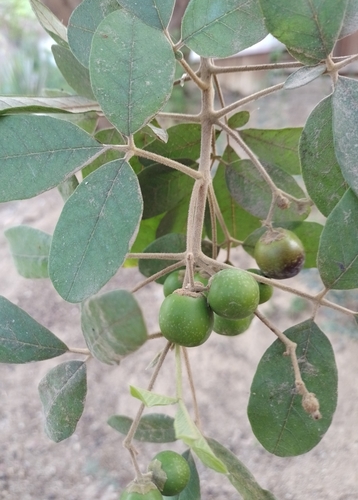
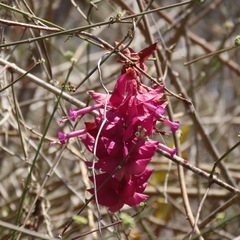
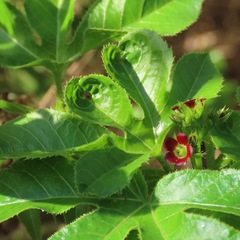
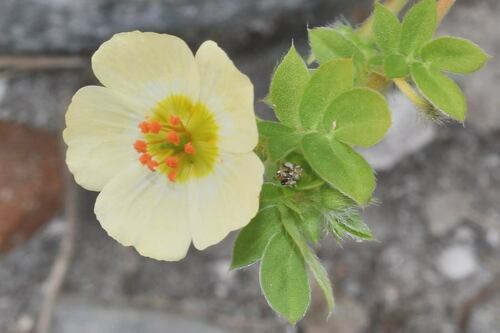
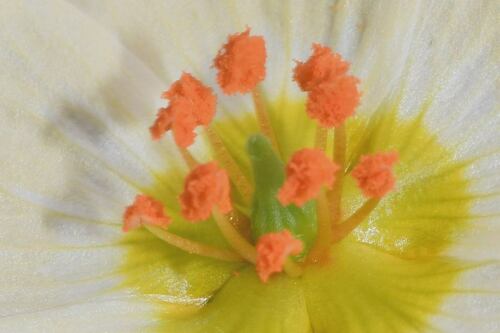
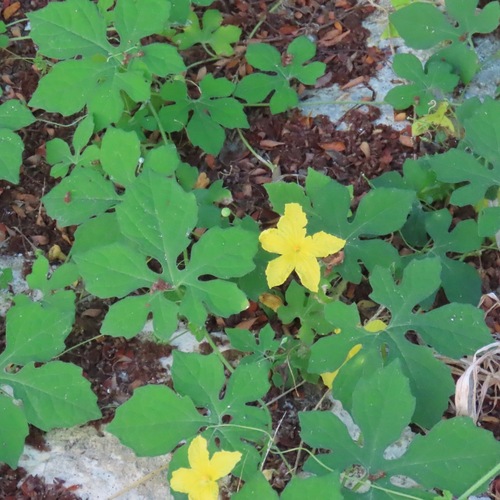
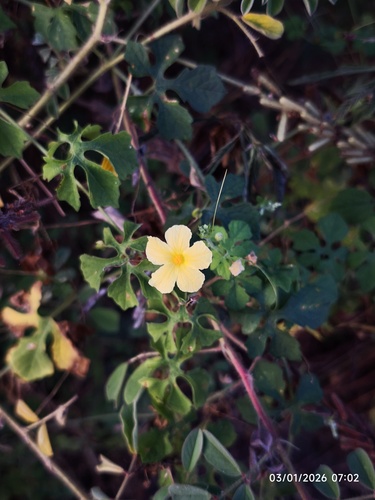
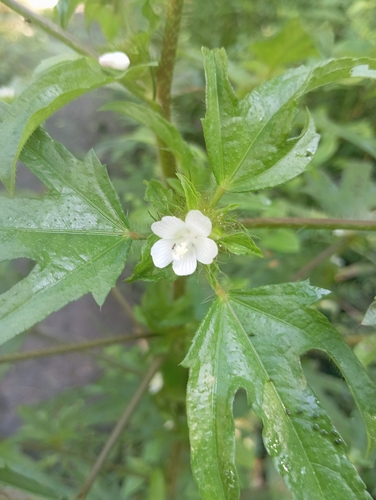
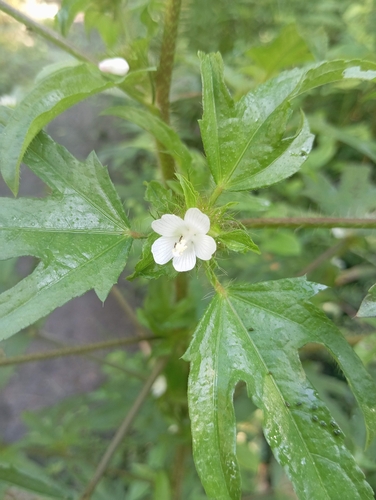
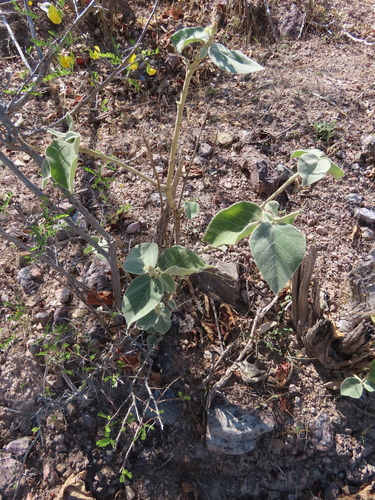
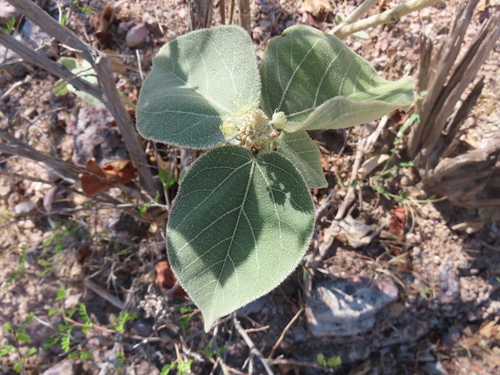
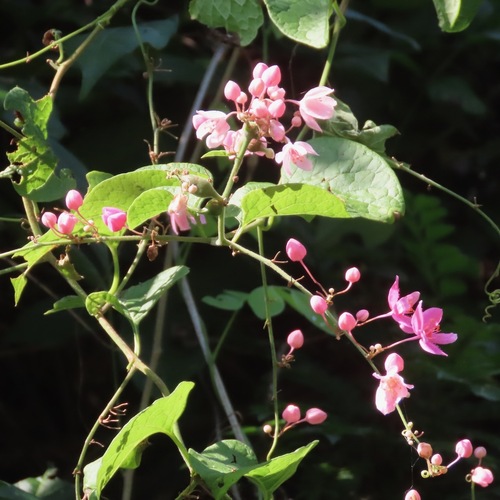
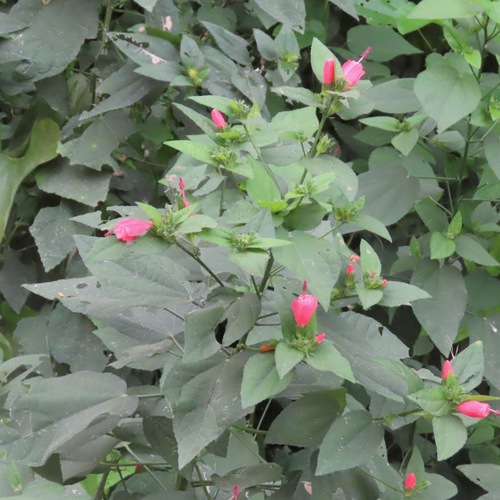
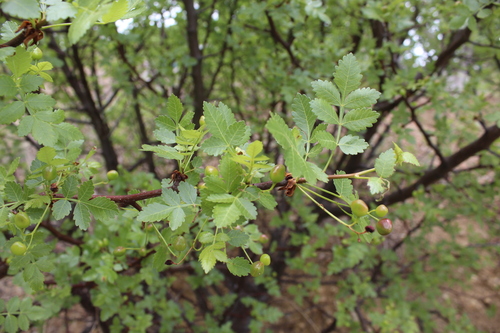
Don't confuse with: Cascabela ovata. C. ovata has spatula-shaped leaves densely hairy beneath; equally poisonous.
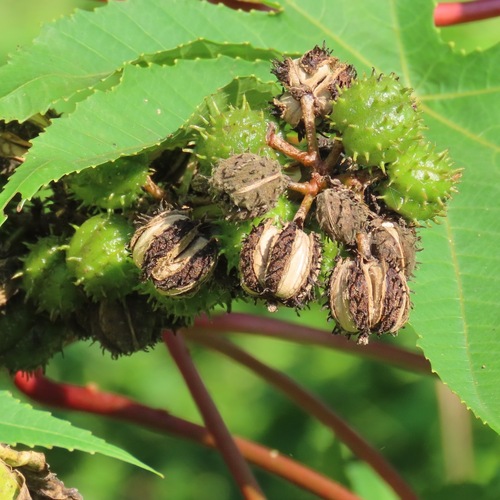
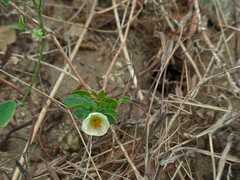
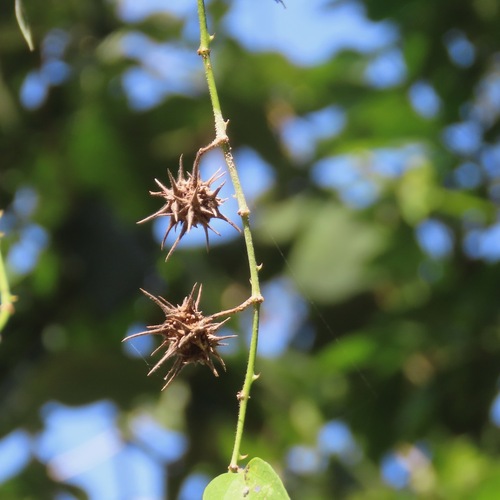
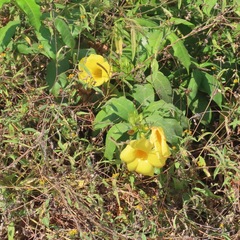
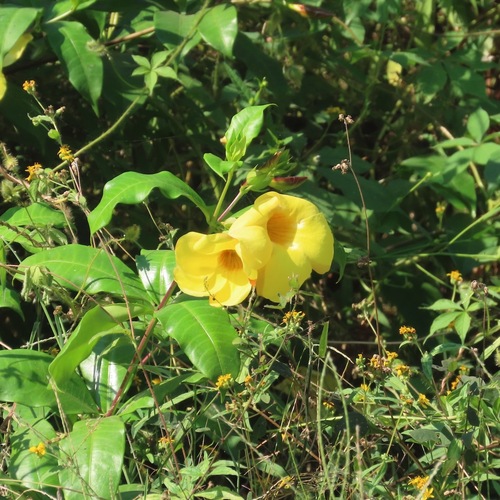
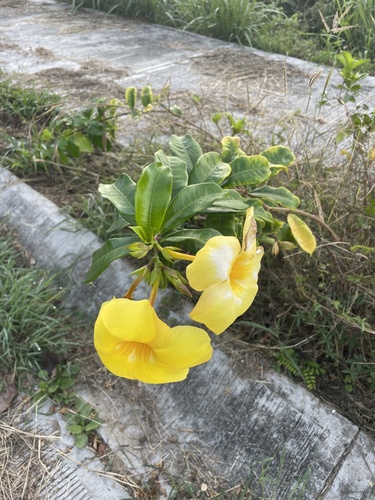
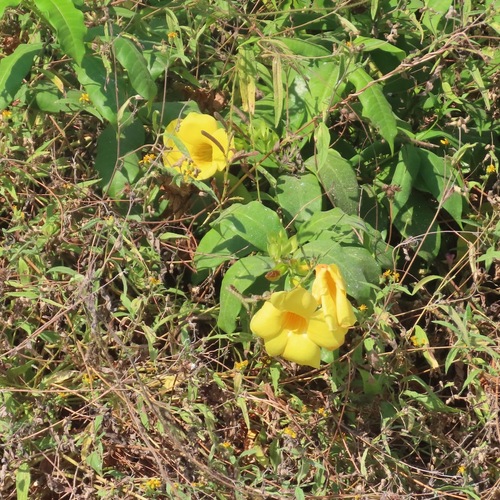
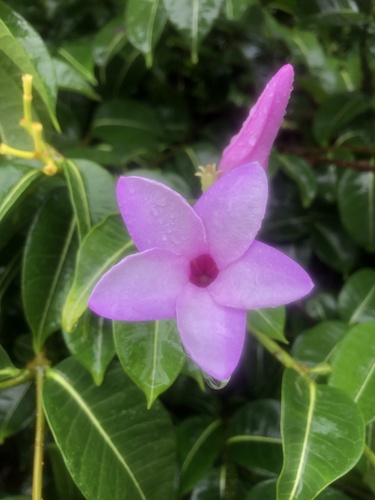
Don't confuse with: Golden Trumpet Allamanda cathartica. Golden trumpet is a sprawling vine with leaves in whorls of four and spiny seed pods; also toxic but much less so.
Months with iNaturalist records in Mexico
FlowersJFMAMJJASONDn=136
FruitJFMAMJJASONDn=27
What science shows and sources
What science shows
Seed oil was antibiotic in the lab; latex and flower extracts were not.
The active cardiac compounds are the harm: human poisonings and deaths are documented.
Sources (6)
- Atlas de las Plantas de la Medicina Tradicional Mexicana (UNAM): Maravilla o trompetita, Thevetia peruviana (= Cascabela thevetia)
- Atlas de las Plantas de la Medicina Tradicional Mexicana (UNAM): Maravilla o trompetita, Thevetia peruviana (= Cascabela thevetia)
- Atlas de las Plantas de la Medicina Tradicional Mexicana (UNAM): Maravilla o trompetita, Thevetia peruviana (= Cascabela thevetia)
- NC State Extension Plant Toolbox: Cascabela thevetia
- NC State Extension Plant Toolbox: Cascabela thevetia
- NC State Extension Plant Toolbox: Allamanda cathartica