Five species documented within about 150 km, plus the orca

Humpback whale
Megaptera novaeangliae details → LC ↑ Common · Dec–Mar Last reported: —The signature cetacean of the Guerrero winter. Humpbacks arrive from North Pacific feeding grounds to breed and calve in these warm, shallow waters. Adults reach 14–17 m; calves born January–February are frequently sighted alongside mothers. 838 GBIF records 2000–2025 in this corridor.

Bottlenose dolphin
Tursiops truncatus details → LC → Uncommon in records — common in practice Last reported: —The most commonly encountered dolphin nearshore. Work the surf line and offshore channels year-round, often in groups of 5–20 animals. Curious — they will sometimes bow-ride fishing boats. Adults reach 2–4 metres.


Pantropical spotted dolphin
Stenella attenuata details → LC → Common · offshore (effort-normalized Sep–Nov) Last reported: —One of the most abundant dolphins in the eastern tropical Pacific. Fast, acrobatic, found offshore in large schools. Adults 1.6–2.5 m. 34 GBIF records 2000–2025 in this corridor.

Bryde's whale
Balaenoptera edeni details → LC → No records in study area Last reported: unconfirmedA medium-sized baleen whale (12–15 m), one of the few rorquals that remains year-round in tropical waters. Documented in eastern tropical Pacific, but rare in this specific corridor (0 GBIF records 2000–2025).
Zero GBIF records for this corridor. Possible but unconfirmed.
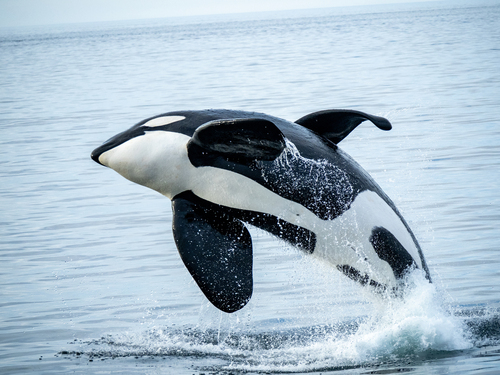
Orca (killer whale)
Orcinus orca details → DD Rare — but documented in the study area Last reported: —The largest dolphin, apex predator of every ocean. Not resident here, but roaming pods pass along the Guerrero coast and have been documented in the study area (iNaturalist records). Unmistakable: tall black dorsal fin, bold black-and-white pattern, up to 8–9 m. A once-in-many-seasons sighting.