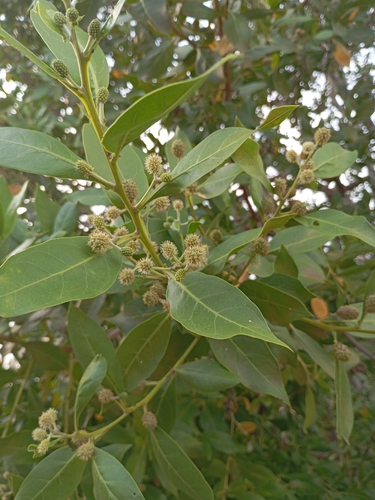
 Trees84 species
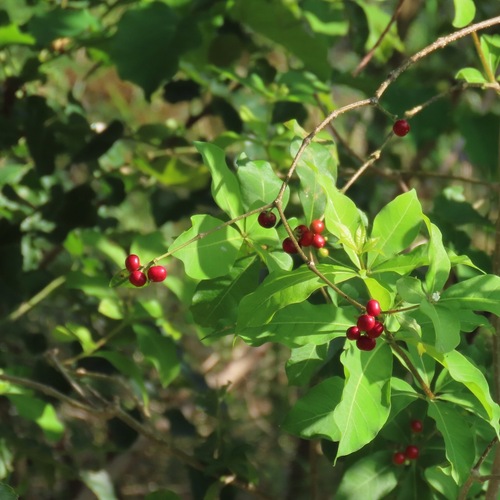 Shrubs51 species
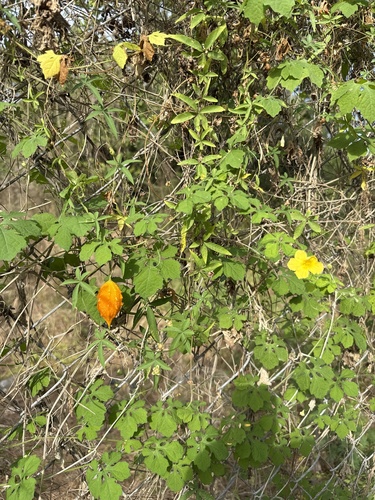 Vines and climbers64 species
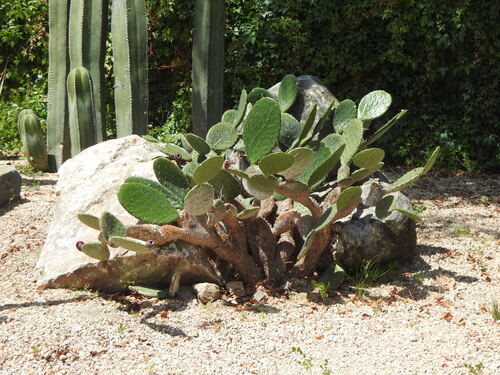 Cacti and succulents16 speciesWildflowers134 species
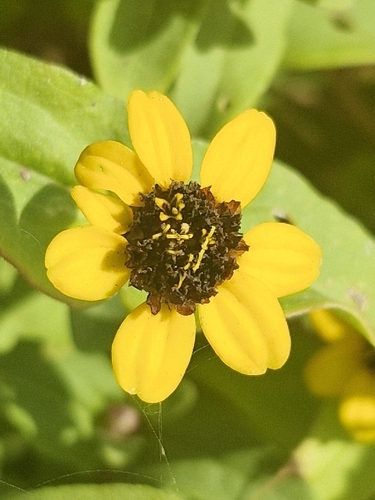 Herbs, grasses and small plants84 species
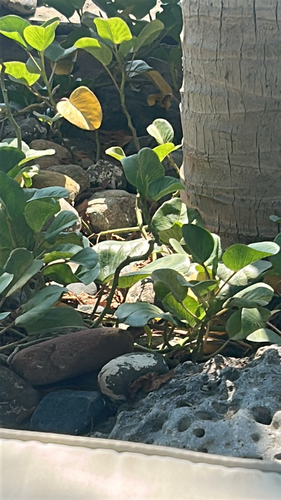 Beach and dune plants44 speciesMangrove and lagoon plants31 speciesMedicinal plants205 speciesEdible plants109 species
Four mangrove species frame the estuary — red mangrove at the water edge, black mangrove on intertidal mudflats, white mangrove mid-estuary, buttonwood on the inland fringe. Behind them, a dry tropical forest with over 670 documented plant species.
670+ species documented within 50 km
Mangroves, dry forest, beach, and dune species — the photo field guide.
Plants you'll meet, by habitat
Mangroves (the estuary's framework)
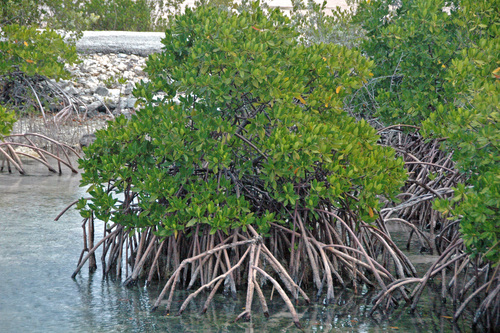 Mangle rojo
Red Mangrove
Rhizophora mangle details →
Prop roots, the front line
Mangle rojo
Red Mangrove
Rhizophora mangle details →
Prop roots, the front line
 Mangle negro
Black Mangrove
Avicennia germinans details →
Pneumatophores, salt-tolerant
Mangle negro
Black Mangrove
Avicennia germinans details →
Pneumatophores, salt-tolerant
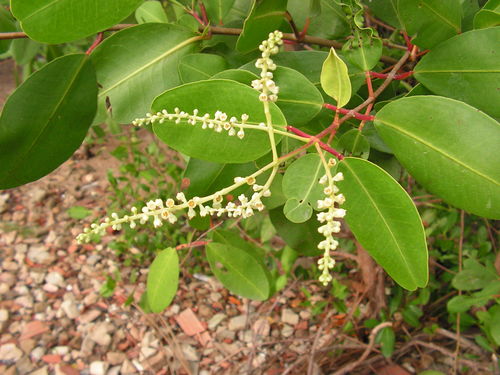 Mangle blanco
White Mangrove
Laguncularia racemosa details →
Inner zones
Mangle blanco
White Mangrove
Laguncularia racemosa details →
Inner zones
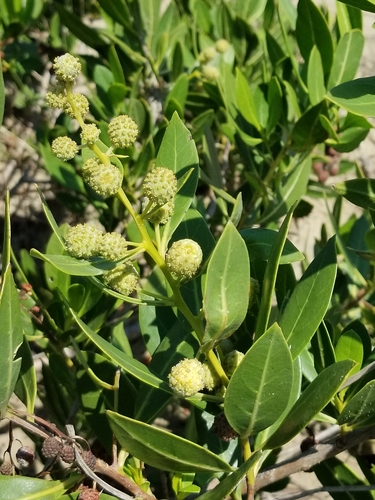 Mangle botoncillo
Buttonwood
Conocarpus erectus details →
Transition zone, drier
Mangle botoncillo
Buttonwood
Conocarpus erectus details →
Transition zone, drier
Dry tropical forest trees
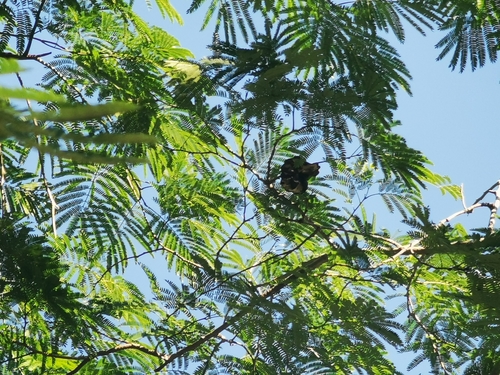 Guanacaste
 / Earpod Tree
Enterolobium cyclocarpum details →
Massive crown, signature tree
Guanacaste
Guanacaste / Earpod Tree
Enterolobium cyclocarpum details →
Massive crown, signature tree
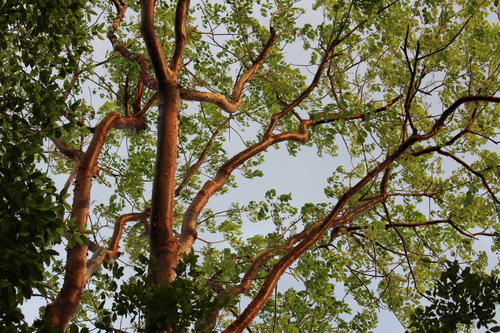 Palo mulato
Gumbo Limbo
Bursera simaruba details →
Peeling red bark
Palo mulato
Gumbo Limbo
Bursera simaruba details →
Peeling red bark
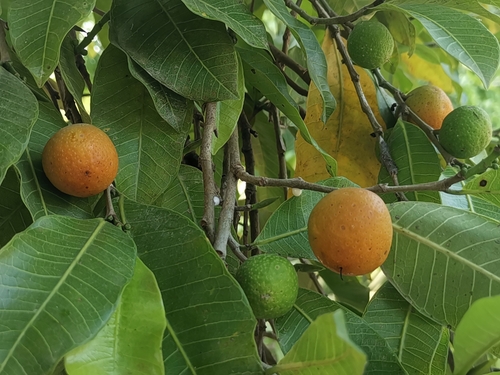 Ramón / Capomo
Breadnut
Brosimum alicastrum details →
Maya staple, edible seeds
Ramón / Capomo
Breadnut
Brosimum alicastrum details →
Maya staple, edible seeds
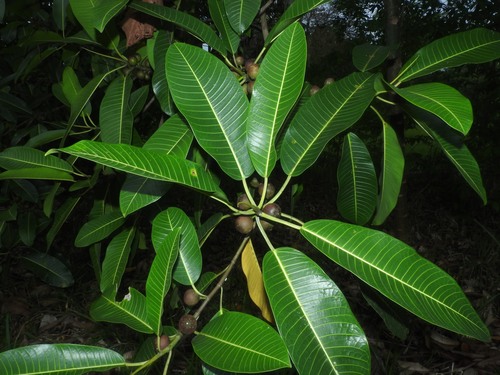 Higuera
Wild Fig
Ficus insipida details →
Strangler, food for wildlife
Medicinal use: Latex applied topically for warts and skin lesions; latex is caustic — not for internal use. Part used: latex. (UNAM Atlas PMTM)
Higuera
Wild Fig
Ficus insipida details →
Strangler, food for wildlife
Medicinal use: Latex applied topically for warts and skin lesions; latex is caustic — not for internal use. Part used: latex. (UNAM Atlas PMTM)
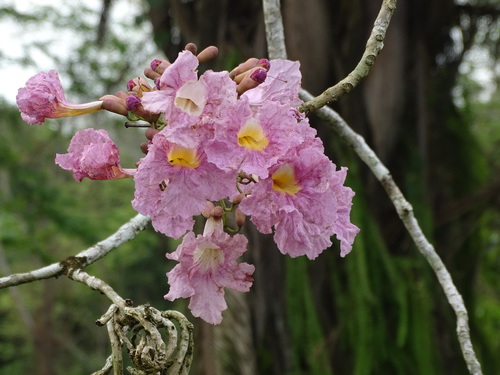 Roble de sabana
Pink Trumpet Tree
Tabebuia rosea details →
Spectacular dry-season bloom
Roble de sabana
Pink Trumpet Tree
Tabebuia rosea details →
Spectacular dry-season bloom
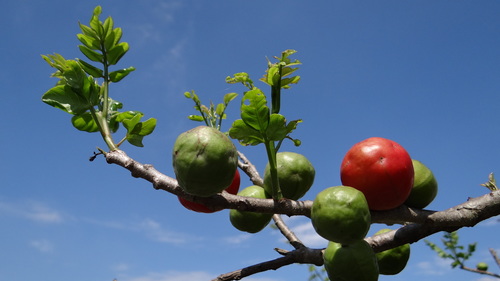 Ciruela mexicana
Mexican Plum
Spondias purpurea details →
Edible fruit, common in villages
Ciruela mexicana
Mexican Plum
Spondias purpurea details →
Edible fruit, common in villages
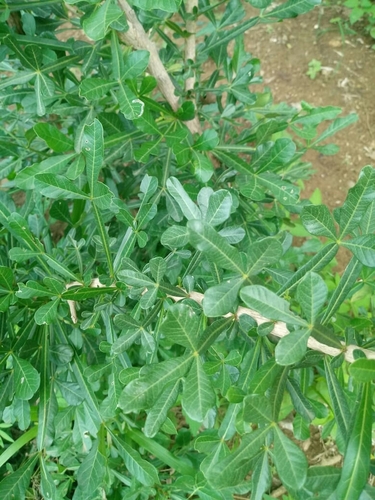 Jícaro
Jicaro Tree
Crescentia alata details →
Calabash gourds from trunk
Jícaro
Jicaro Tree
Crescentia alata details →
Calabash gourds from trunk
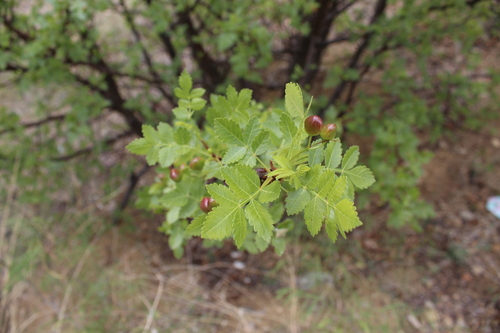 Copal limón
Lime Copal
Bursera linanoe
Citrus-scented resin, dry forest
Medicinal use: Resin burned as copal incense in ritual cleansing; applied topically as an antiseptic on wounds. Parts used: resin. Nahua and Mixtec traditional medicine.
Copal limón
Lime Copal
Bursera linanoe
Citrus-scented resin, dry forest
Medicinal use: Resin burned as copal incense in ritual cleansing; applied topically as an antiseptic on wounds. Parts used: resin. Nahua and Mixtec traditional medicine.
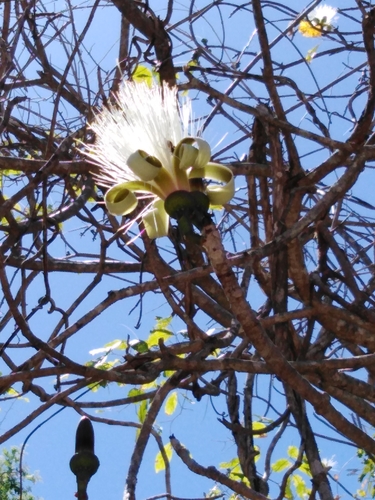 Copal blanco
White Copal
Bursera fagaroides
Papery white bark, Bursera family
Medicinal use: Resin used as antiseptic wound dressing and burned as ritual incense. Part used: resin. Nahua traditional medicine.
Copal blanco
White Copal
Bursera fagaroides
Papery white bark, Bursera family
Medicinal use: Resin used as antiseptic wound dressing and burned as ritual incense. Part used: resin. Nahua traditional medicine.
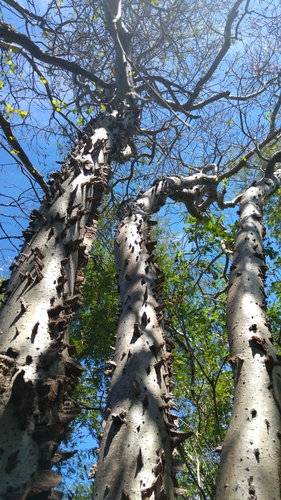 Pochote
 / Dry-forest Ceiba
Ceiba aesculifolia
Spiny trunk, cotton-like seeds
Pochote
Pochote / Dry-forest Ceiba
Ceiba aesculifolia
Spiny trunk, cotton-like seeds
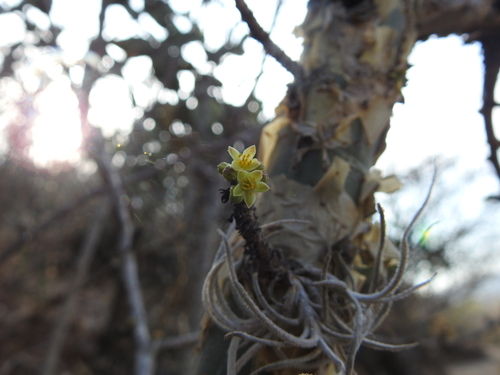 Pochote
Palmer's Bombax
Pseudobombax palmeri
Spectacular dry-season flowers
Pochote
Palmer's Bombax
Pseudobombax palmeri
Spectacular dry-season flowers
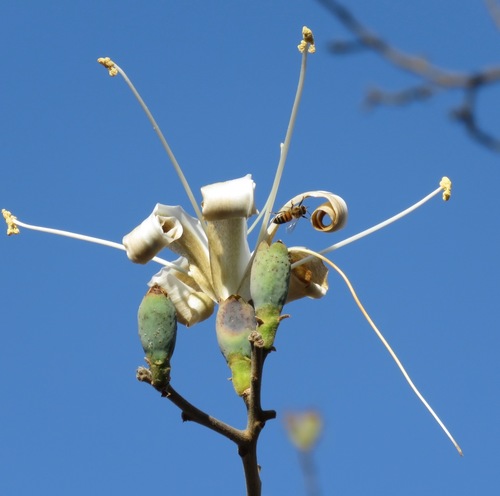 Cuachalalate
Amphipterygium adstringens
Medicinal bark, endemic Mexico
Medicinal use: Bark decoction traditionally used for gastric ulcers, wound healing, and as an antiseptic. Part used: bark. (UNAM Atlas de las Plantas de la Medicina Tradicional Mexicana)
Cuachalalate
Cuachalalate
Amphipterygium adstringens
Medicinal bark, endemic Mexico
Medicinal use: Bark decoction traditionally used for gastric ulcers, wound healing, and as an antiseptic. Part used: bark. (UNAM Atlas de las Plantas de la Medicina Tradicional Mexicana)
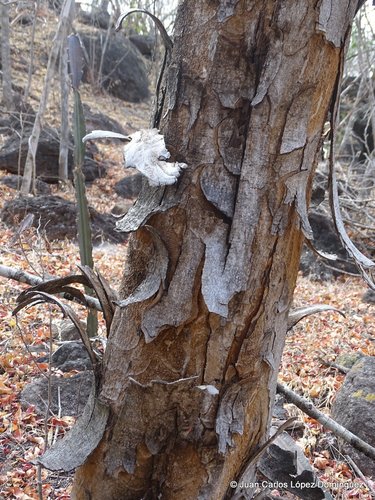 Tepehuaje
Lysiloma divaricatum
Dominant dry-forest legume
Medicinal use: Bark decoction traditionally used for diarrhea and skin inflammations. Part used: bark. (UNAM Atlas PMTM)
Tepehuaje
Tepehuaje
Lysiloma divaricatum
Dominant dry-forest legume
Medicinal use: Bark decoction traditionally used for diarrhea and skin inflammations. Part used: bark. (UNAM Atlas PMTM)
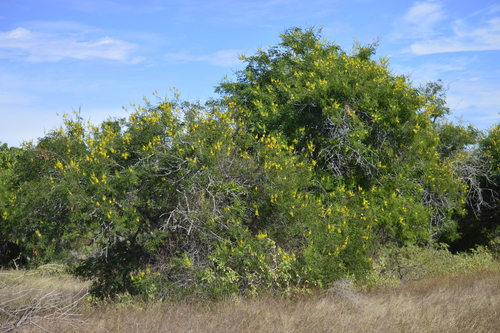 Cubata
 / Boat-spine Acacia
Acacia cochliacantha
Thorny scrub, nitrogen fixer
Cubata
Cubata / Boat-spine Acacia
Acacia cochliacantha
Thorny scrub, nitrogen fixer
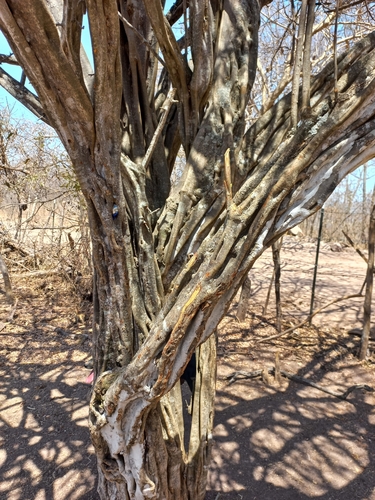 Cascalote
Caesalpinia cacalaco
Yellow flowers, tanning bark
Cascalote
Cascalote
Caesalpinia cacalaco
Yellow flowers, tanning bark
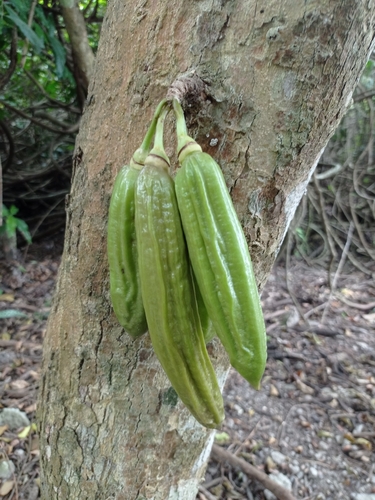 Cuajilote
Parmentiera aculeata
Edible fruits grow from trunk
Medicinal use: Fruit and bark decoction traditionally used for diabetes management and kidney health. Parts used: fruit, bark. (UNAM Atlas PMTM)
Cuajilote
Cuajilote
Parmentiera aculeata
Edible fruits grow from trunk
Medicinal use: Fruit and bark decoction traditionally used for diabetes management and kidney health. Parts used: fruit, bark. (UNAM Atlas PMTM)
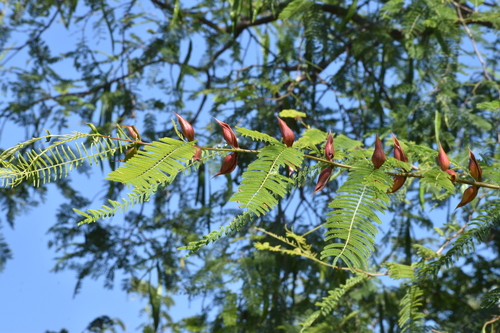 Palo de brasil
Brasiletto / Mexican Logwood
Haematoxylum brasiletto
Red heartwood, dye tree
Medicinal use: Bark and heartwood decoction traditionally used as a blood purifier and for liver complaints. Part used: heartwood, bark. (UNAM Atlas PMTM)
Palo de brasil
Brasiletto / Mexican Logwood
Haematoxylum brasiletto
Red heartwood, dye tree
Medicinal use: Bark and heartwood decoction traditionally used as a blood purifier and for liver complaints. Part used: heartwood, bark. (UNAM Atlas PMTM)
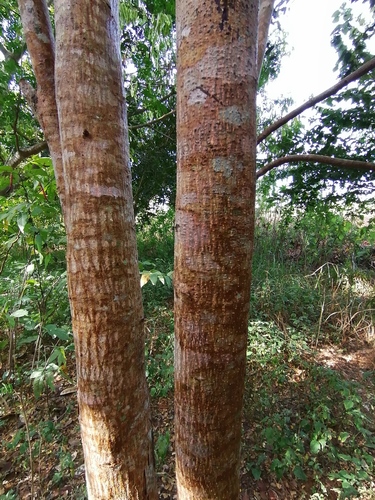 Hule
Panama Rubber Tree
Castilla elastica
Pre-Columbian rubber source
Medicinal use: Latex traditionally applied topically as an anti-inflammatory for joint pain and skin conditions. Part used: latex. (UNAM Atlas PMTM)
Hule
Panama Rubber Tree
Castilla elastica
Pre-Columbian rubber source
Medicinal use: Latex traditionally applied topically as an anti-inflammatory for joint pain and skin conditions. Part used: latex. (UNAM Atlas PMTM)
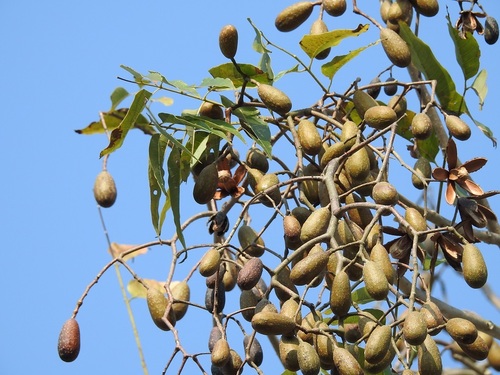 Caoba
Pacific Coast Mahogany
Swietenia humilis
IUCN Endangered · prized timber
Caoba
Pacific Coast Mahogany
Swietenia humilis
IUCN Endangered · prized timber
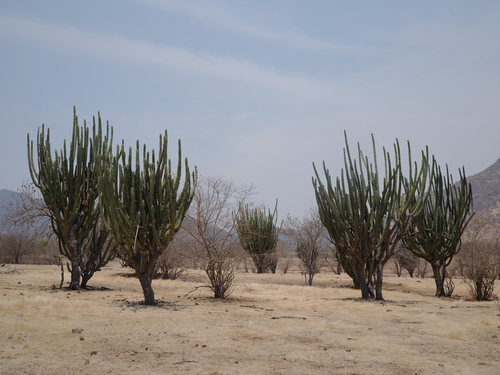 Cedro rojo
Spanish Cedar
Cedrela odorata
IUCN Vulnerable · aromatic wood
Cedro rojo
Spanish Cedar
Cedrela odorata
IUCN Vulnerable · aromatic wood
Beach & dune
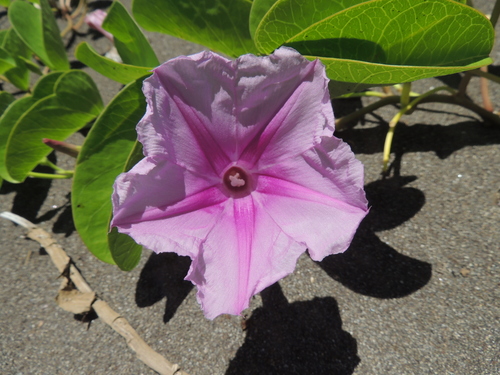 Riñonina
Beach Morning Glory
Ipomoea pes-caprae
Pioneer, holds dune sand
Riñonina
Beach Morning Glory
Ipomoea pes-caprae
Pioneer, holds dune sand
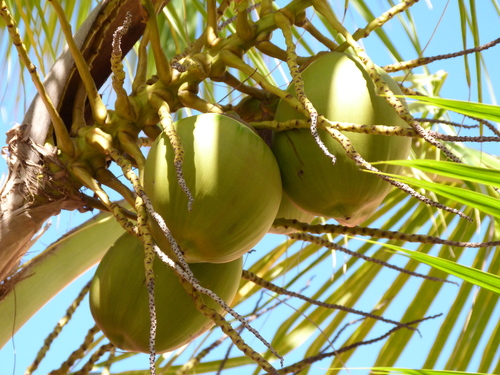 Cocotero
Coconut Palm
Cocos nucifera details →
Iconic; widely planted
Cocotero
Coconut Palm
Cocos nucifera details →
Iconic; widely planted
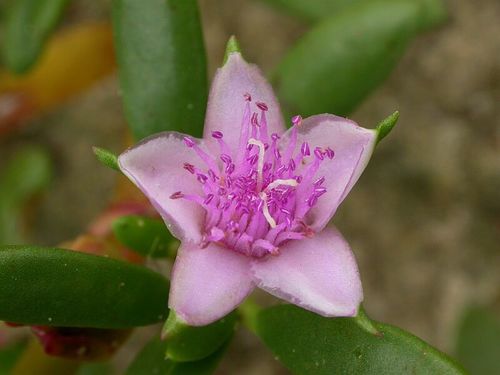 Verdolaga marina
Sea Purslane
Sesuvium portulacastrum details →
Salt-tolerant succulent
Verdolaga marina
Sea Purslane
Sesuvium portulacastrum details →
Salt-tolerant succulent
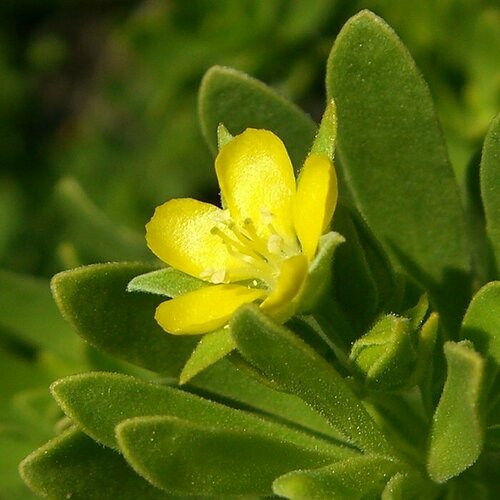 Cuabilla
Bay Cedar
Suriana maritima details →
Shrub, dune backbone
Cuabilla
Bay Cedar
Suriana maritima details →
Shrub, dune backbone
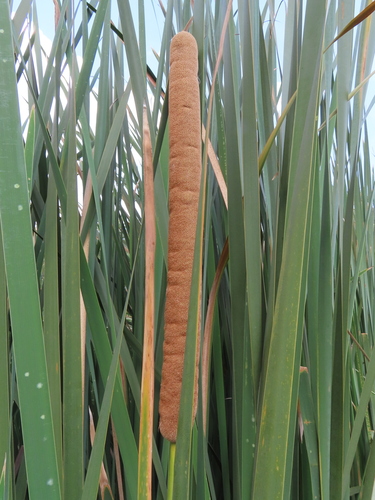 Uva de mar
Sea Grape
Coccoloba uvifera
Rounds leaves, edible fruit
Uva de mar
Sea Grape
Coccoloba uvifera
Rounds leaves, edible fruit
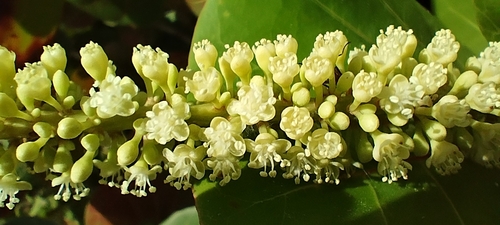 Almendro de playa
Sea Almond / Tropical Almond
Terminalia catappa
Tiered canopy, beach shade tree
Almendro de playa
Sea Almond / Tropical Almond
Terminalia catappa
Tiered canopy, beach shade tree
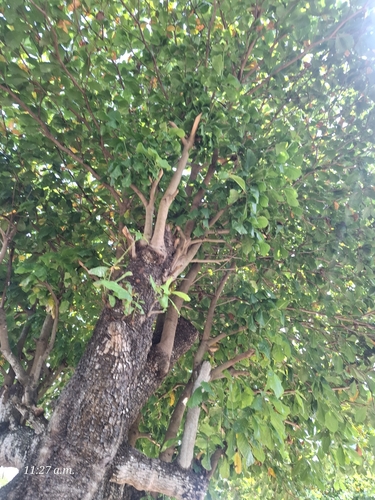 Majagua
Sea Hibiscus / Coastal Cottonwood
Hibiscus tiliaceus
Yellow flowers, coastal scrub
Majagua
Sea Hibiscus / Coastal Cottonwood
Hibiscus tiliaceus
Yellow flowers, coastal scrub
Cacti & succulents
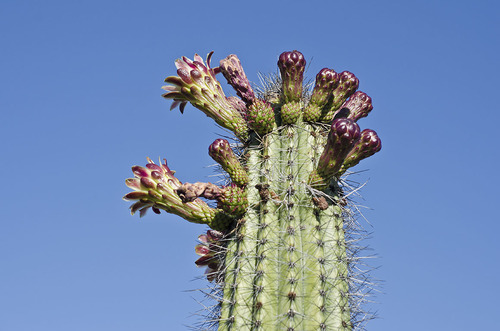 Pitahaya / Pitayo
Organ Pipe Cactus
Stenocereus thurberi details →
Tall columnar, edible fruit
Pitahaya / Pitayo
Organ Pipe Cactus
Stenocereus thurberi details →
Tall columnar, edible fruit
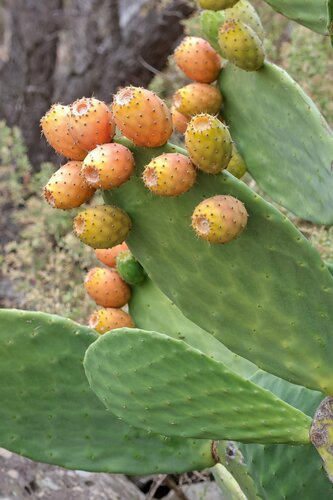 Nopal
Prickly Pear
Opuntia ficus-indica
Edible pads and tuna fruit
Nopal
Prickly Pear
Opuntia ficus-indica
Edible pads and tuna fruit
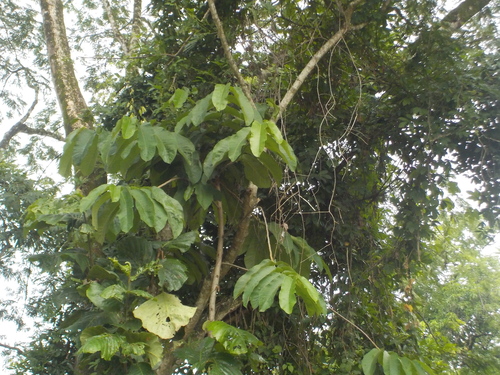 Pitayo
Quevedó's Pitayo
Stenocereus quevedonis
Columnar, Guerrero endemic
Pitayo
Quevedó's Pitayo
Stenocereus quevedonis
Columnar, Guerrero endemic
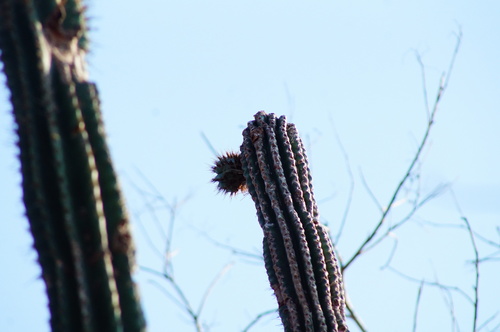 Cardón / Órgano
Hairbrush Cactus
Pachycereus pecten-aboriginum
Tall columnar, dry slopes
Cardón / Órgano
Hairbrush Cactus
Pachycereus pecten-aboriginum
Tall columnar, dry slopes
Lagoon edge & freshwater
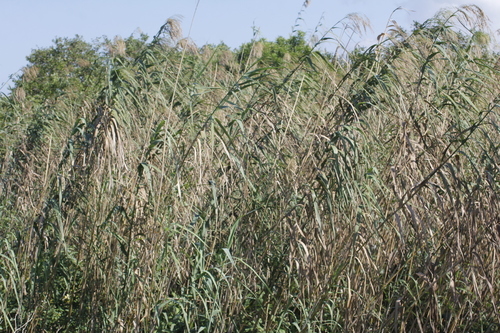 Carrizo
Common Reed
Phragmites australis
Tall reed, lagoon margins
Carrizo
Common Reed
Phragmites australis
Tall reed, lagoon margins
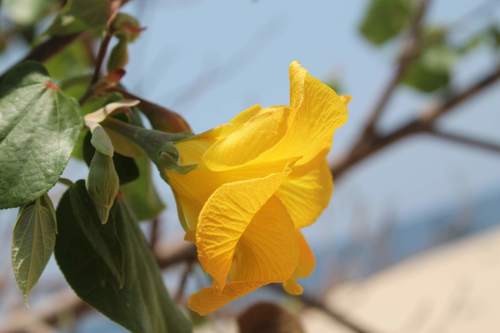 Tule
Southern Cattail
Typha domingensis
Cattail, wetland indicator
Tule
Southern Cattail
Typha domingensis
Cattail, wetland indicator
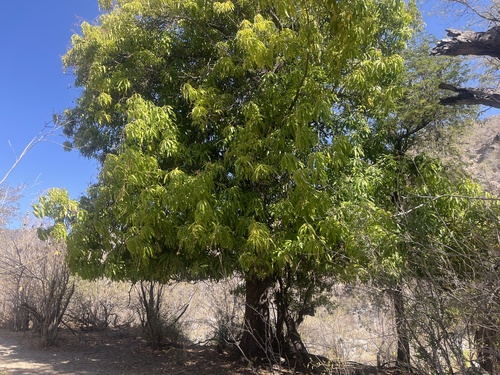 Lirio acuático
Water Hyacinth
Eichhornia crassipes
Invasive — can block lagoon flow
Lirio acuático
Water Hyacinth
Eichhornia crassipes
Invasive — can block lagoon flow
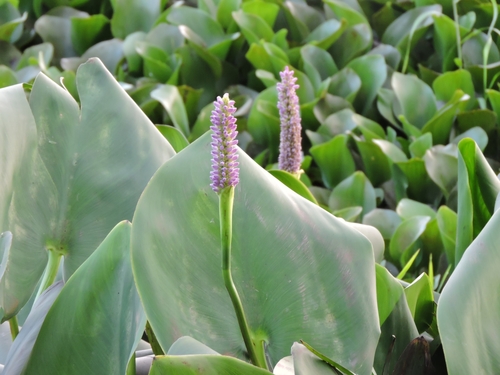 Pico de gallo acuático
Pickerelweed
Pontederia cordata
Purple flowers, shallow water
Pico de gallo acuático
Pickerelweed
Pontederia cordata
Purple flowers, shallow water
Culturally important
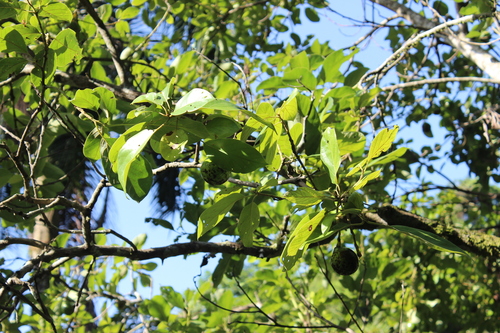 Aguacate
Avocado
Persea americana
Native to Mexico, village staple
Aguacate
Avocado
Persea americana
Native to Mexico, village staple
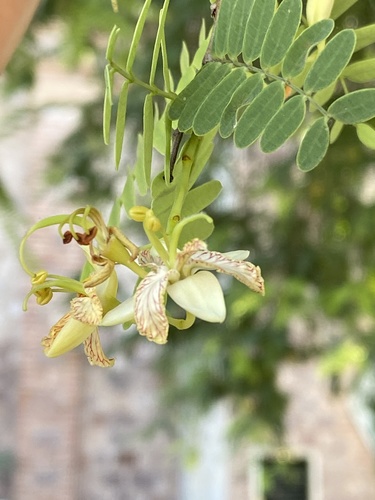 Mango
Mango
Mangifera indica
Everywhere Jun–Aug at Saladita
Mango
Mango
Mangifera indica
Everywhere Jun–Aug at Saladita
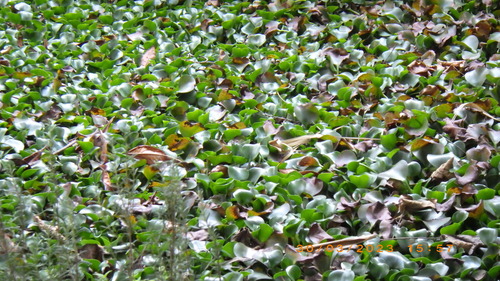 Tamarindo
Tamarind
Tamarindus indica
Sour pods, agua fresca base
Medicinal use: Pulp traditionally used as a mild laxative and fever reducer; also astringent for sore throats. Part used: fruit pulp. Widely documented across Mexican traditional medicine.
Tamarindo
Tamarind
Tamarindus indica
Sour pods, agua fresca base
Medicinal use: Pulp traditionally used as a mild laxative and fever reducer; also astringent for sore throats. Part used: fruit pulp. Widely documented across Mexican traditional medicine.
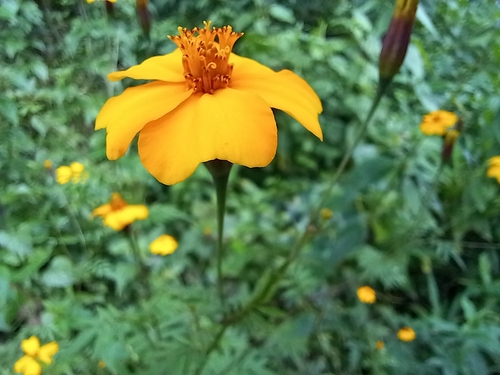 Plátano / Banana
Banana / Plantain
Musa spp
Grown in every village garden
Plátano / Banana
Banana / Plantain
Musa spp
Grown in every village garden
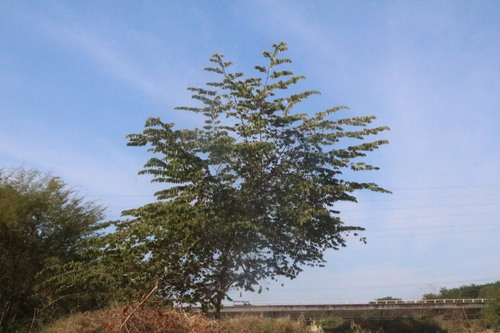 Papaya
Carica papaya
Fast-growing, fruiting year-round
Medicinal use: Unripe fruit and leaves traditionally used as a digestive aid (papain enzyme); seed decoction for intestinal parasites. Parts used: unripe fruit, seeds, leaves. Widely used across Mexican Pacific coast communities.
Papaya
Papaya
Carica papaya
Fast-growing, fruiting year-round
Medicinal use: Unripe fruit and leaves traditionally used as a digestive aid (papain enzyme); seed decoction for intestinal parasites. Parts used: unripe fruit, seeds, leaves. Widely used across Mexican Pacific coast communities.
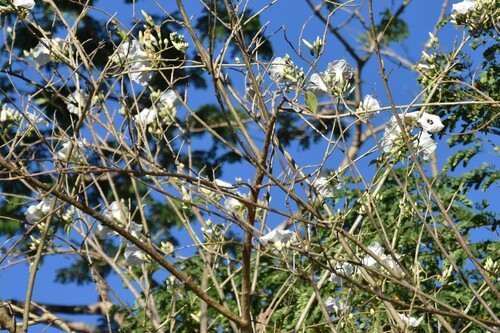 Anona / Saramuyo
Sugar Apple / Custard Apple
Annona squamosa
Sweet custard fruit, sold locally
Medicinal use: Seed powder and leaf decoction traditionally used as an antiparasitic for intestinal worms. Parts used: seeds, leaves. ⚠ Seeds are toxic if ingested whole. (UNAM Atlas PMTM)
Anona / Saramuyo
Sugar Apple / Custard Apple
Annona squamosa
Sweet custard fruit, sold locally
Medicinal use: Seed powder and leaf decoction traditionally used as an antiparasitic for intestinal worms. Parts used: seeds, leaves. ⚠ Seeds are toxic if ingested whole. (UNAM Atlas PMTM)
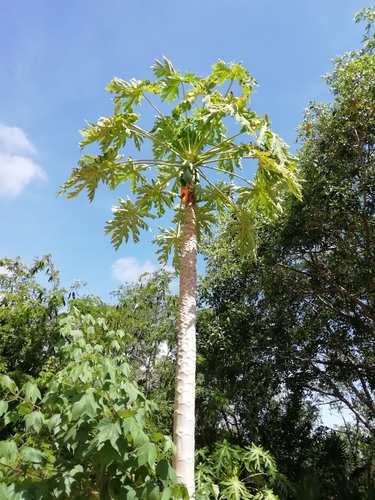 Capulín / Nanche de Castilla
Jamaican Cherry
Muntingia calabura
Small red berries, loved by birds
Capulín / Nanche de Castilla
Jamaican Cherry
Muntingia calabura
Small red berries, loved by birds
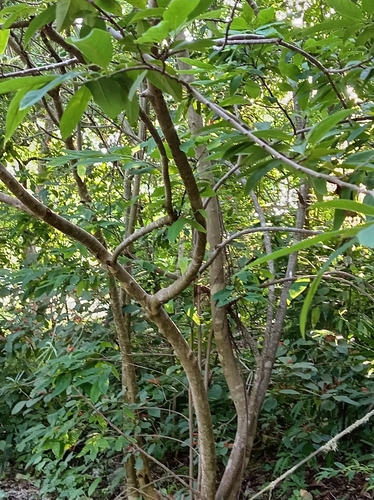 Cazahuate
 / Morning Glory Tree
Ipomoea wolcottiana
White flowers, dry-season spectacle
Medicinal use: Root decoction traditionally used as a diuretic and for kidney support. Part used: root. (UNAM Atlas PMTM)
Cazahuate
Cazahuate / Morning Glory Tree
Ipomoea wolcottiana
White flowers, dry-season spectacle
Medicinal use: Root decoction traditionally used as a diuretic and for kidney support. Part used: root. (UNAM Atlas PMTM)
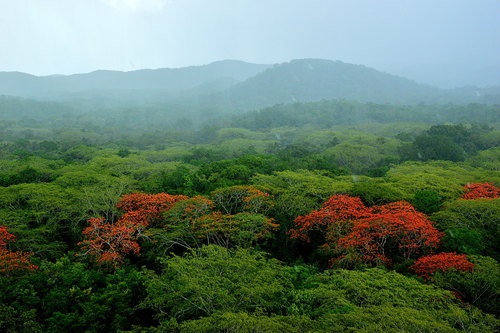 Tabachín / Flamboyán
Flamboyant / Royal Poinciana
Delonix regia
Scarlet canopy, dry-season marker
Tabachín / Flamboyán
Flamboyant / Royal Poinciana
Delonix regia
Scarlet canopy, dry-season marker
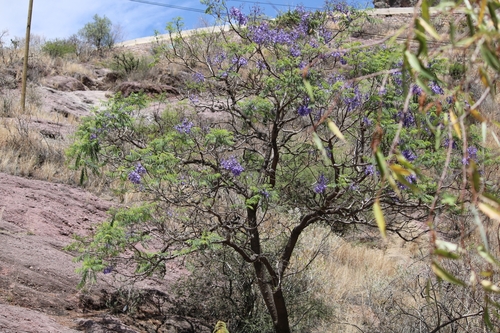 Jacaranda
Jacaranda mimosifolia
Purple bloom, planted in towns
Jacaranda
Jacaranda
Jacaranda mimosifolia
Purple bloom, planted in towns
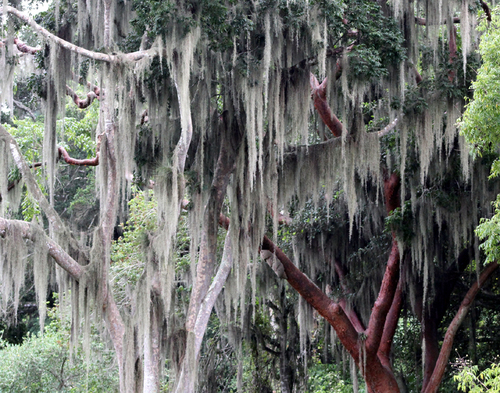 Heno / Paxtle
Spanish Moss
Tillandsia usneoides
Epiphytic bromeliad, drapes trees
Heno / Paxtle
Spanish Moss
Tillandsia usneoides
Epiphytic bromeliad, drapes trees
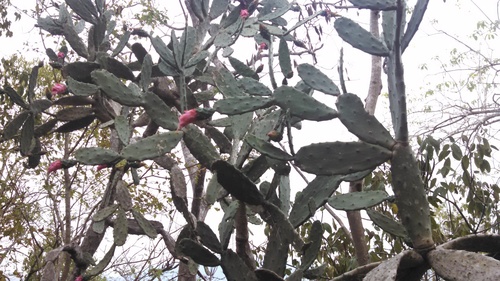 Bromelia / Gallito
Air Plant / Tillandsia
Tillandsia spp
Epiphyte on dry-forest trees
Bromelia / Gallito
Air Plant / Tillandsia
Tillandsia spp
Epiphyte on dry-forest trees
Flowering & iconic
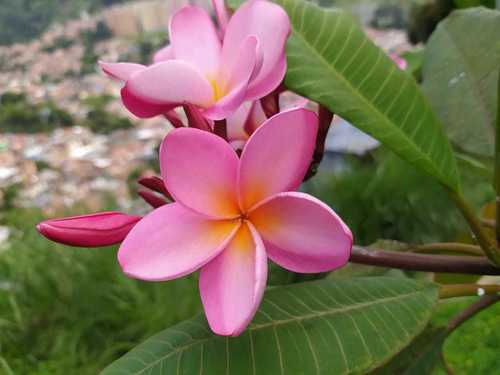 Cacaloxóchitl / Flor de mayo
Frangipani / Plumeria
Plumeria rubra details →
Sacred, fragrant flowers
Medicinal use: Flower infusion traditionally used as a mild laxative. ⚠ Milky latex is caustic — keep off skin and eyes; not for internal use. Parts used: flowers. Nahua traditional medicine.
Cacaloxóchitl / Flor de mayo
Frangipani / Plumeria
Plumeria rubra details →
Sacred, fragrant flowers
Medicinal use: Flower infusion traditionally used as a mild laxative. ⚠ Milky latex is caustic — keep off skin and eyes; not for internal use. Parts used: flowers. Nahua traditional medicine.
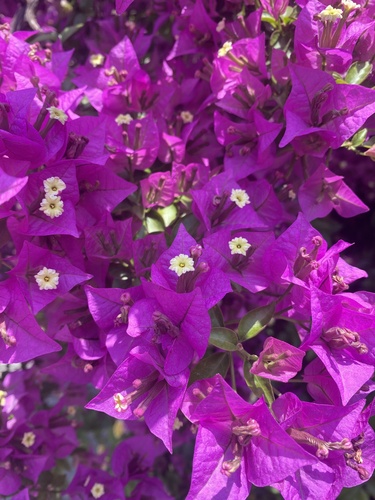 Bugambilia
Bougainvillea
Bougainvillea spectabilis details →
Ubiquitous in Mexican villages
Bugambilia
Bougainvillea
Bougainvillea spectabilis details →
Ubiquitous in Mexican villages
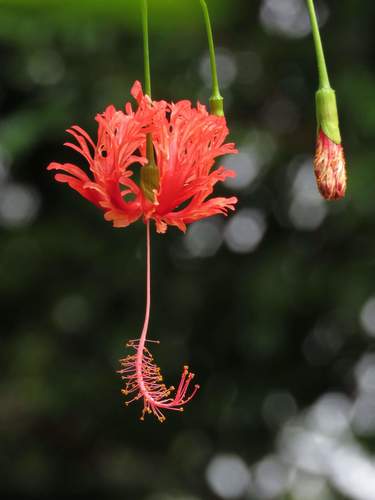 Tulipán / Obelisco
Hibiscus
Hibiscus rosa-sinensis
Common ornamental, edible
Tulipán / Obelisco
Hibiscus
Hibiscus rosa-sinensis
Common ornamental, edible
Medicinal & ethnobotanical
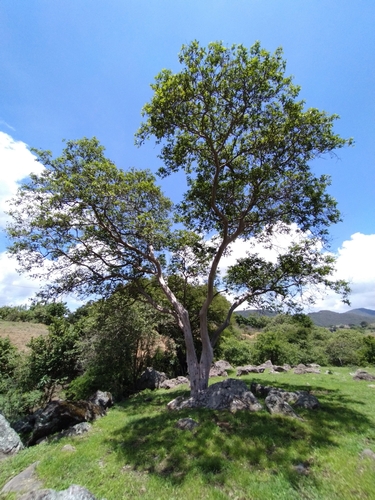 Guayaba
Guava
Psidium guajava
Edible fruit, common in gardens
Medicinal use: Leaf decoction traditionally used for diarrhea and gastroenteritis; antibacterial properties documented in published research. Part used: leaves. (UNAM Atlas PMTM)
Guayaba
Guava
Psidium guajava
Edible fruit, common in gardens
Medicinal use: Leaf decoction traditionally used for diarrhea and gastroenteritis; antibacterial properties documented in published research. Part used: leaves. (UNAM Atlas PMTM)
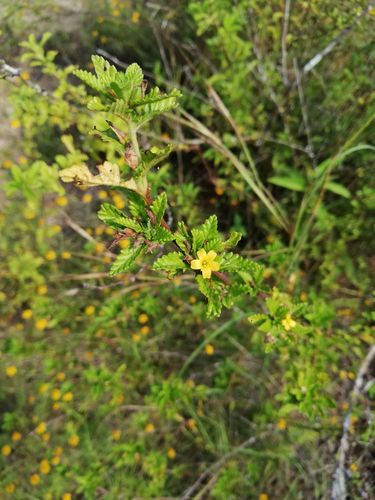 Damiana
Turnera diffusa
Dry-forest shrub, yellow flowers
Medicinal use: Leaf tea traditionally used as an anxiolytic, mild mood elevator, and aphrodisiac along the Pacific coast and Baja California. Part used: leaves. (UNAM Atlas PMTM)
Damiana
Damiana
Turnera diffusa
Dry-forest shrub, yellow flowers
Medicinal use: Leaf tea traditionally used as an anxiolytic, mild mood elevator, and aphrodisiac along the Pacific coast and Baja California. Part used: leaves. (UNAM Atlas PMTM)
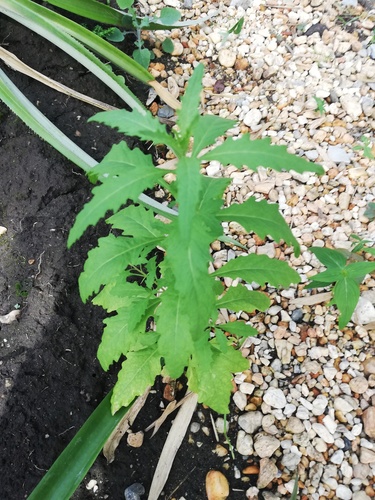 Epazote
 / Mexican Tea
Dysphania ambrosioides
Culinary herb, grows in village gardens
Medicinal use: Leaf tea traditionally used as an antiparasitic for intestinal worms; added to bean dishes to reduce flatulence. Part used: leaves. ⚠ Large doses are toxic. Nahua and Mixtec traditional medicine.
Epazote
Epazote / Mexican Tea
Dysphania ambrosioides
Culinary herb, grows in village gardens
Medicinal use: Leaf tea traditionally used as an antiparasitic for intestinal worms; added to bean dishes to reduce flatulence. Part used: leaves. ⚠ Large doses are toxic. Nahua and Mixtec traditional medicine.
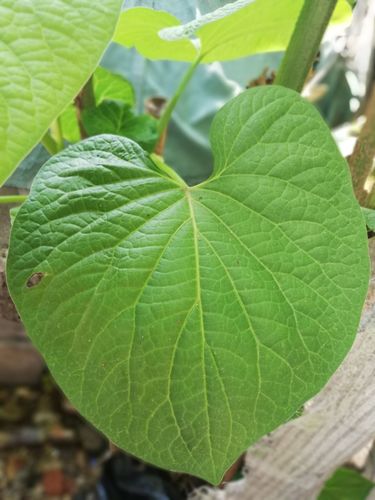 Hoja santa / Hierba santa
Holy Leaf / Root Beer Plant
Piper auritum
Large fragrant leaves, wet margins
Medicinal use: Leaf poultice traditionally applied for skin infections and fevers; antimicrobial properties. Also widely used as a culinary wrap for tamales and fish. Part used: leaves. (UNAM Atlas PMTM)
Hoja santa / Hierba santa
Holy Leaf / Root Beer Plant
Piper auritum
Large fragrant leaves, wet margins
Medicinal use: Leaf poultice traditionally applied for skin infections and fevers; antimicrobial properties. Also widely used as a culinary wrap for tamales and fish. Part used: leaves. (UNAM Atlas PMTM)
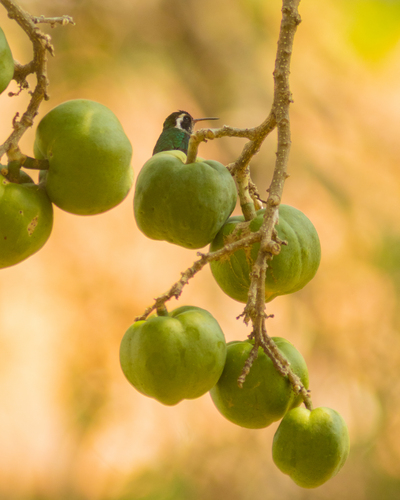 Zapote blanco
White Sapote / Mexican Sleep Apple
Casimiroa edulis
White fruit, planted in villages
Medicinal use: Leaf decoction traditionally used as a sedative and to lower blood pressure. Part used: leaves. ⚠ Seeds are toxic. Nahua and Aztec traditional medicine. (UNAM Atlas PMTM)
Zapote blanco
White Sapote / Mexican Sleep Apple
Casimiroa edulis
White fruit, planted in villages
Medicinal use: Leaf decoction traditionally used as a sedative and to lower blood pressure. Part used: leaves. ⚠ Seeds are toxic. Nahua and Aztec traditional medicine. (UNAM Atlas PMTM)
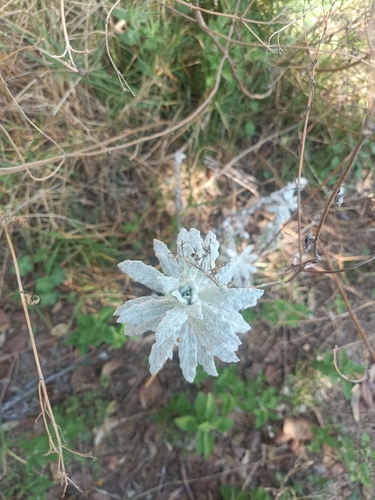 Estafiate / Istafiata
White Sagebrush / Prairie Sage
Artemisia ludoviciana
Aromatic herb, dry rocky slopes
Medicinal use: Leaf tea traditionally used as a digestive and for menstrual regulation. Part used: leaves. ⚠ Contraindicated in pregnancy — abortifacient in high doses. (UNAM Atlas PMTM)
Estafiate / Istafiata
White Sagebrush / Prairie Sage
Artemisia ludoviciana
Aromatic herb, dry rocky slopes
Medicinal use: Leaf tea traditionally used as a digestive and for menstrual regulation. Part used: leaves. ⚠ Contraindicated in pregnancy — abortifacient in high doses. (UNAM Atlas PMTM)
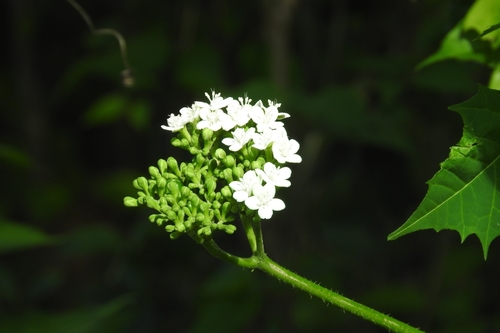 Chaya / Chichicaste
Tree Spinach / Chaya
Cnidoscolus aconitifolius
Leafy shrub, traditional food plant
Medicinal use: Cooked leaves eaten as a nutrient-dense vegetable; traditionally used to support blood-sugar regulation. Part used: cooked leaves. ⚠ Raw leaves contain hydrocyanic glucosides — must be cooked. Maya and Nahua food medicine.
Chaya / Chichicaste
Tree Spinach / Chaya
Cnidoscolus aconitifolius
Leafy shrub, traditional food plant
Medicinal use: Cooked leaves eaten as a nutrient-dense vegetable; traditionally used to support blood-sugar regulation. Part used: cooked leaves. ⚠ Raw leaves contain hydrocyanic glucosides — must be cooked. Maya and Nahua food medicine.
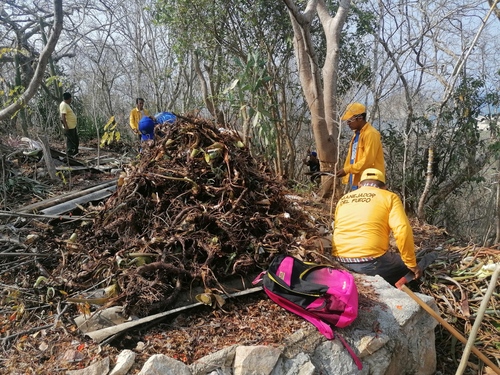 Sábila
Aloe Vera
Aloe vera
Cultivated near homes throughout region
Medicinal use: Leaf gel widely applied for burns, sunburn, and skin irritation. Juice taken internally for gastric inflammation. Part used: leaf gel. One of the most universally documented medicinal plants in Mexican traditional medicine.
Sábila
Aloe Vera
Aloe vera
Cultivated near homes throughout region
Medicinal use: Leaf gel widely applied for burns, sunburn, and skin irritation. Juice taken internally for gastric inflammation. Part used: leaf gel. One of the most universally documented medicinal plants in Mexican traditional medicine.
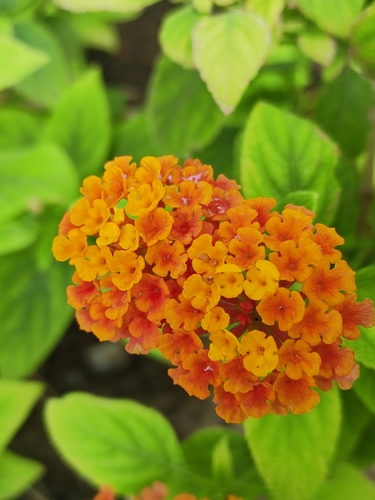 Cinco negritos
Lantana / Shrub Verbena
Lantana camara
Multicolored flowers, dry scrub
Medicinal use: Leaf decoction traditionally used for skin infections and as an anti-itch wash. Part used: leaves. ⚠ Green berries are toxic. (UNAM Atlas PMTM)
Cinco negritos
Lantana / Shrub Verbena
Lantana camara
Multicolored flowers, dry scrub
Medicinal use: Leaf decoction traditionally used for skin infections and as an anti-itch wash. Part used: leaves. ⚠ Green berries are toxic. (UNAM Atlas PMTM)
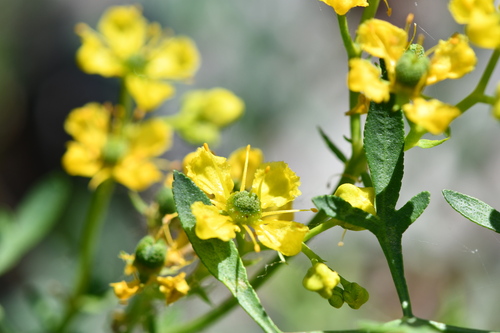 Ruda
Rue
Ruta graveolens
Cultivated herb, culturally significant
Medicinal use: Leaf infusion traditionally used for menstrual complaints and as a ritual cleansing herb. Part used: leaves. ⚠ Contraindicated in pregnancy — potent emmenagogue and abortifacient. Grown in nearly every village herb garden in coastal Guerrero.
Ruda
Rue
Ruta graveolens
Cultivated herb, culturally significant
Medicinal use: Leaf infusion traditionally used for menstrual complaints and as a ritual cleansing herb. Part used: leaves. ⚠ Contraindicated in pregnancy — potent emmenagogue and abortifacient. Grown in nearly every village herb garden in coastal Guerrero.
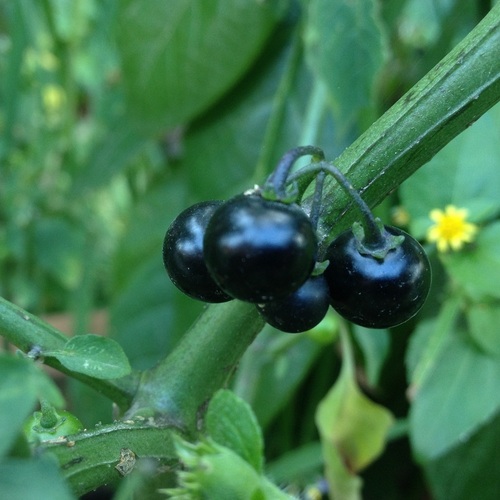 Hierba mora
Black Nightshade
Solanum americanum
Weed of disturbed ground, small fruits
Medicinal use: Leaf poultice traditionally applied for skin inflammations and headaches. Part used: leaves externally. ⚠ All green parts and unripe berries are toxic if eaten — not for internal use. (UNAM Atlas PMTM)
Hierba mora
Black Nightshade
Solanum americanum
Weed of disturbed ground, small fruits
Medicinal use: Leaf poultice traditionally applied for skin inflammations and headaches. Part used: leaves externally. ⚠ All green parts and unripe berries are toxic if eaten — not for internal use. (UNAM Atlas PMTM)
Photos via iNaturalist (CC-licensed). Species grouped by habitat — front-of-estuary mangroves, dry tropical forest behind the village, beach and dune pioneers, and the cacti, fruit trees, and ornamentals that thread through it all. The mangroves are the keystone group: red mangrove builds the front edge with its prop roots, black mangrove the middle with its breathing pneumatophores, and white mangrove the inner brackish zone.
Four mangrove species: red (*Rhizophora mangle*, prop roots at water edge), black (*Avicennia germinans*, pneumatophores on intertidal mudflats), white (*Laguncularia racemosa*, mid-estuary), buttonwood (*Conocarpus erectus*, inland fringe). Behind the beach: tropical dry forest — bare Nov–May, flushing green with first rains. *Bursera* spp., agaves, cacti on rocky outcrops. 670+ species in combined iNaturalist/GBIF records within 25 km.
Recent plant observations
Research-grade plant observations from iNaturalist within 25 km of La Saladita, last 90 days. Photos and identifications by the iNaturalist community.
Top species by GBIF / iNat count
- Amphiroa misakiensisUncommon · Jun–Nov
- Hypnea pannosaUncommon · Jun–Nov
- Caulerpa sertularioidesUncommon · Jun–Nov
- Conocarpus erectusUncommon · Apr
- Cocos nuciferaUncommon · Jan
With 670+ species and 3,645 total records, per-species percentages are all <3% — no species meets the "Common" threshold individually. Dominant group in records: intertidal algae (red algae, green algae), largely from GBIF marine surveys. Terrestrial plants are the everyday visible flora.
November observer bias applies
Raw peak month is November for plants (effort-inflated 6× vs. dry season). Normalized peak shifts to April — consistent with the late dry season / pre-rain flowering window. Per-species monthly counts are not available in the source artifact, so year-round classification is blocked for all individual plant species. The mangroves (red, black, white, buttonwood) are present year-round; that is established by regional ecology, not computed from frequency tags.
The four mangrove species of the estuary

Red mangrove
Rhizophora mangle details → LC → Uncommon in records · year-round presence (ecology) Last reported: via climatologyThe outermost mangrove, growing directly into the water on distinctive arching prop roots. The root network creates underwater habitat — nursery for juvenile fish and refuge for invertebrates. Propagules (torpedo-shaped seedlings) drop and float until lodging in shallow sediment.

Black mangrove
Avicennia germinans details → LC → Uncommon in records · year-round presence (ecology) Last reported: via climatologyIdentifiable by the dense carpet of pneumatophores — pencil-like aerial roots emerging from the mud. Tolerates higher salinity than red or white mangrove. Salt-secreting glands give leaves a crystalline appearance.

White mangrove
Laguncularia racemosa details → LC → Uncommon in records · year-round presence (ecology) Last reported: via climatologyMid-estuary species growing between red and buttonwood zones. Lacks prop roots; smooth, pale-green leaves with two glands at the base of the blade are the clearest ID feature.

Buttonwood mangrove
Conocarpus erectus details → LC → Uncommon · Apr peak · 33 records Last reported: via climatologyInnermost mangrove associate occupying the landward fringe, transitioning into coastal dry forest. Dense canopy provides nesting habitat for herons and egrets. Small cone-like fruits give it its common name. 33 GBIF observations in the area.
Most-observed plant species (2000–2025)
Combined iNaturalist (research-grade) and GBIF records within 25 km of La Saladita. 671 plant species recorded across 3,645 observations. Note that GBIF's kingdom Plantae includes marine algae — the most-counted organisms in this dataset by sheer survey-effort bias; see methodology note below.
Loading species data…
Every documented plant.
The full list — all 334 plants with a research-grade iNaturalist observation within 25 km of La Saladita, plus the species Proyecto Saladita's municipality-wide monitoring project has confirmed further out, sorted by how often they are recorded. The curated profiles elsewhere on this page are the signatures; this is everything. Type to filter; each card opens a live species page.
Beach Morning GloryRiñoninaIpomoea pes-caprae
ButtonwoodMangle botoncilloConocarpus erectus
Guanacaste / Earpod TreeGuanacasteEnterolobium cyclocarpum
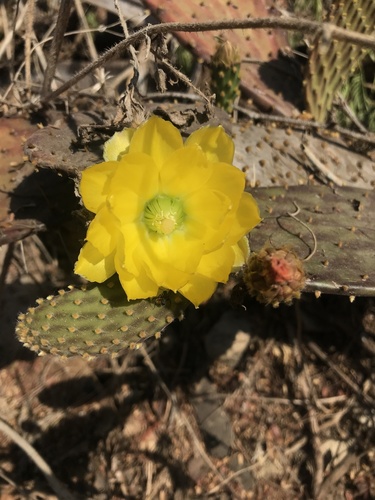 Decumbent Prickly PeararpónOpuntia decumbens
Gumbo LimboPalo mulatoBursera simaruba
Decumbent Prickly PeararpónOpuntia decumbens
Gumbo LimboPalo mulatoBursera simaruba
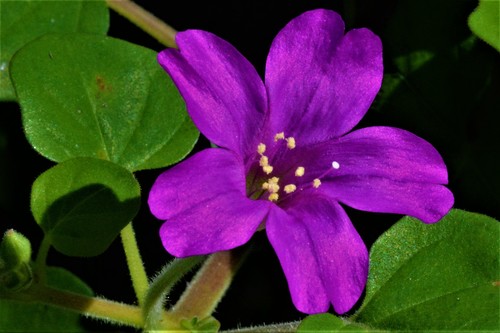 Burrowing four-o’clockOkenia hypogaea
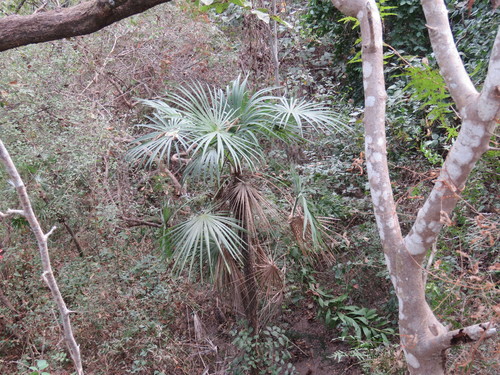 Cryosophila nanaPalo de escobaCryosophila nana
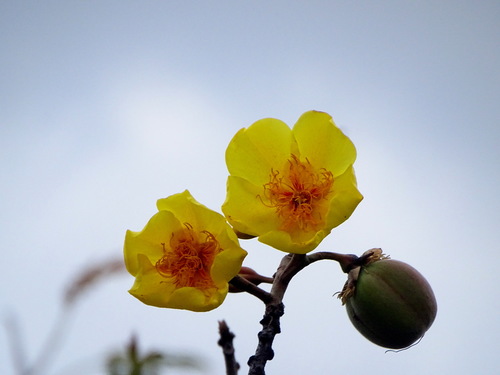 Buttercup TreecomasucheCochlospermum vitifolium
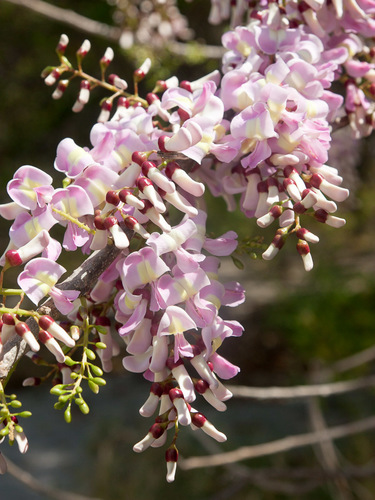 Fence Post TreecacahuanancheGliricidia sepium
Frangipani / PlumeriaCacaloxóchitl / Flor de mayoPlumeria rubra
Fence Post TreecacahuanancheGliricidia sepium
Frangipani / PlumeriaCacaloxóchitl / Flor de mayoPlumeria rubra
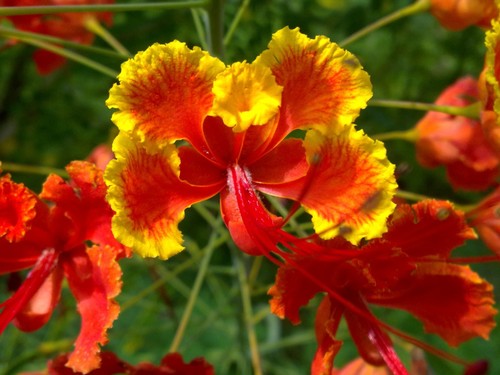 peacock flowerClavellinoCaesalpinia pulcherrima
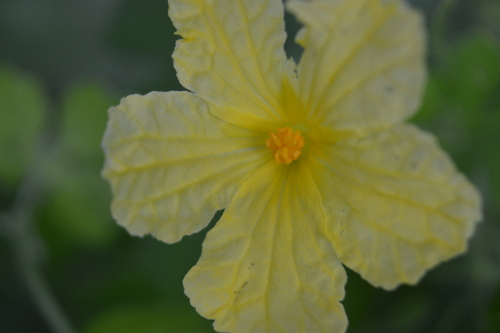 Bitter MelonBalsaminaMomordica charantia
Coconut PalmCocoteroCocos nucifera
Hairbrush CactusCardón / ÓrganoPachycereus pecten-aboriginum
Red MangroveMangle rojoRhizophora mangle
Bitter MelonBalsaminaMomordica charantia
Coconut PalmCocoteroCocos nucifera
Hairbrush CactusCardón / ÓrganoPachycereus pecten-aboriginum
Red MangroveMangle rojoRhizophora mangle
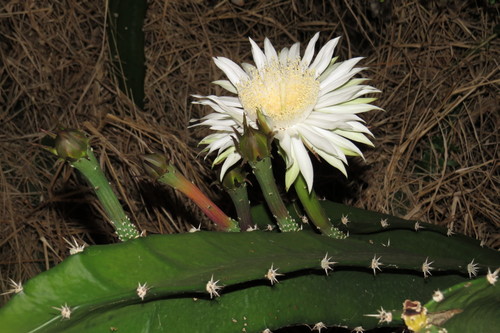 Triangle cactusBejuncoAcanthocereus tetragonus
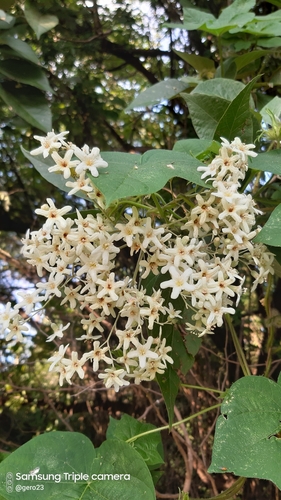 Cordia elaeagnoidesCueramoCordia elaeagnoides
Pink Trumpet TreeRoble de sabanaTabebuia rosea
Sea GrapeUva de marCoccoloba uvifera
Cordia elaeagnoidesCueramoCordia elaeagnoides
Pink Trumpet TreeRoble de sabanaTabebuia rosea
Sea GrapeUva de marCoccoloba uvifera
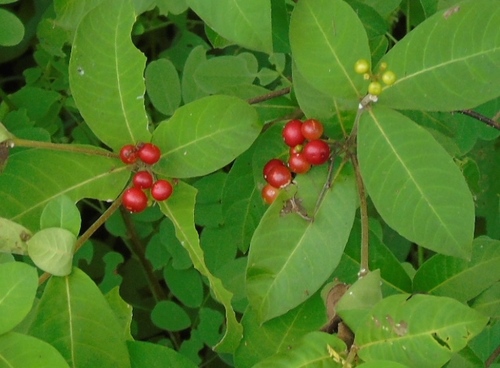 Devil-pepperChalchupaRauvolfia tetraphylla
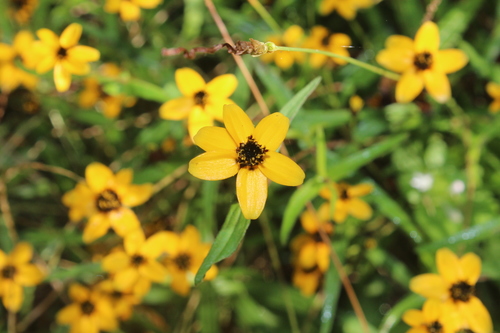 Zinnia maritimaMargarita costeraZinnia maritima
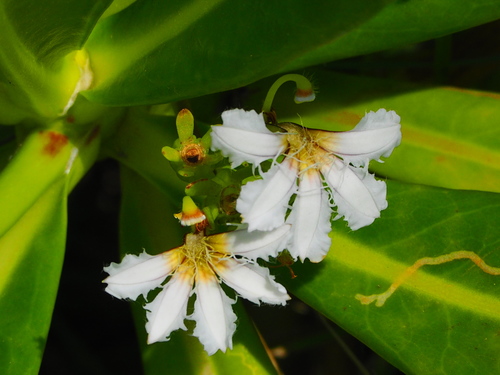 beach naupakaScaevola taccada
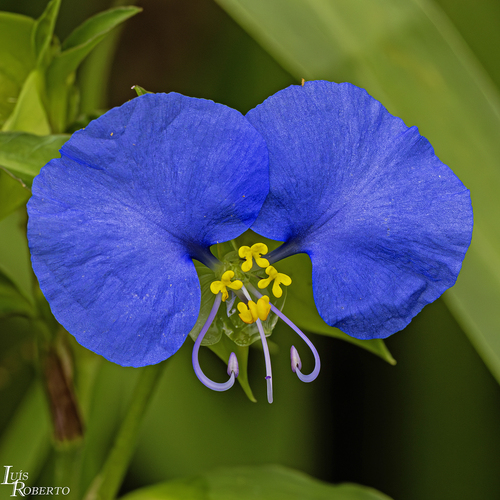 whitemouth dayflowerhierba del polloCommelina erecta
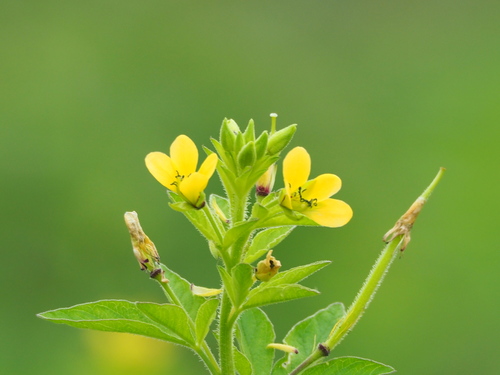 Asian Spiderflowercola de rataCleome viscosa
White MangroveMangle blancoLaguncularia racemosa
Asian Spiderflowercola de rataCleome viscosa
White MangroveMangle blancoLaguncularia racemosa
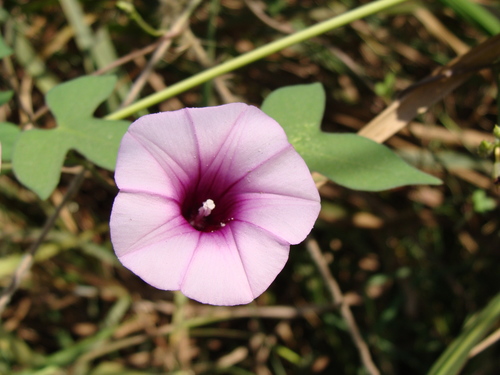 threefork morning gloryIpomoea trifida
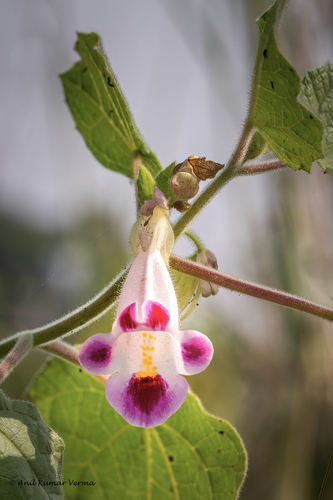 Cat's ClawUña de gatoMartynia annua
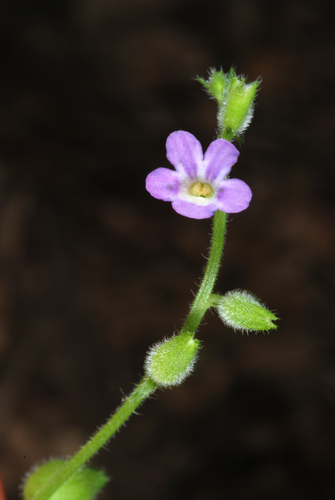 CatstonguemozotePriva lappulacea
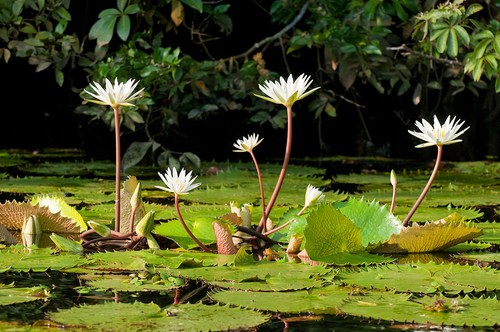 Dotleaf WaterlilyFlor de aguaNymphaea ampla
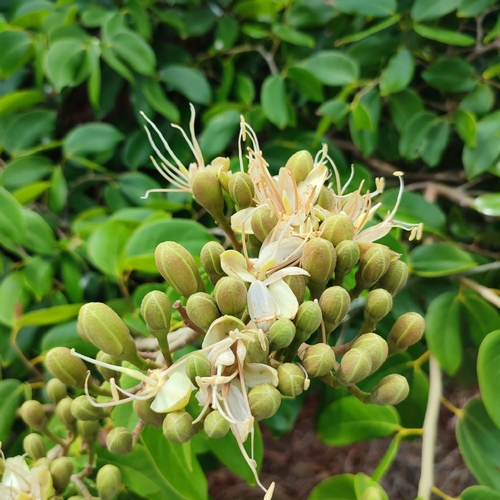 StinkingtoeGuapinolHymenaea courbaril
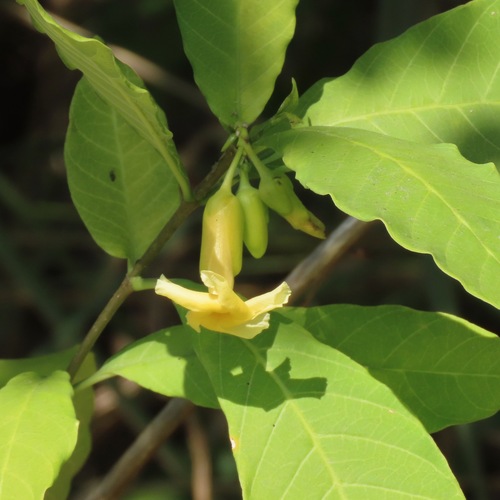 Tabernaemontana ochoterenaeTabernaemontana ochoterenae
 Trailing DaisyBotoncilloSphagneticola trilobata
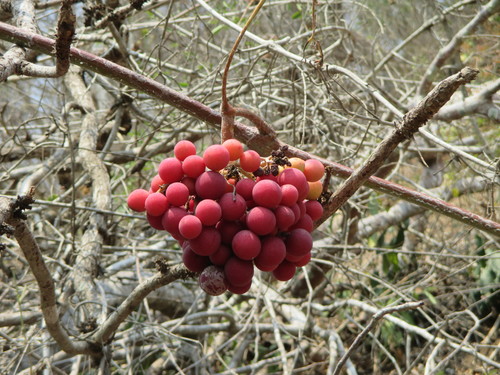 Ampelocissus acapulcensisuvaAmpelocissus acapulcensis
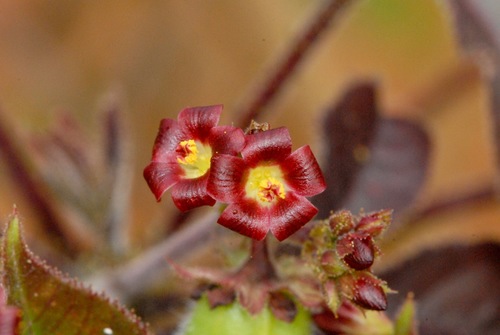 Bellyache Bushpiñón negroJatropha gossypiifolia
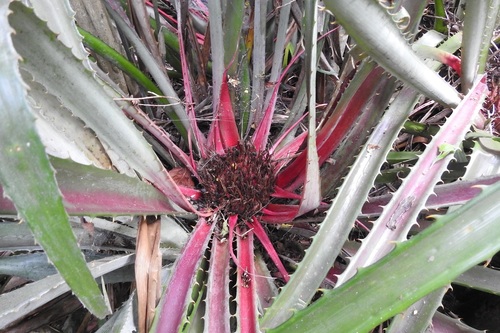 Bromelia karatasAguamaBromelia karatas
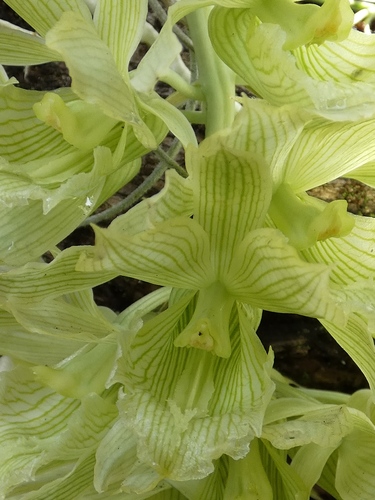 Clowesia dodsonianaClowesia dodsoniana
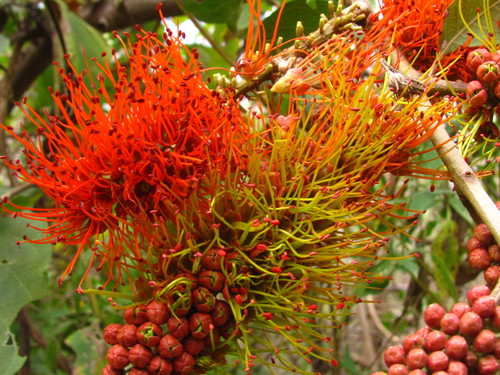 Combretum farinosumChupamielCombretum farinosum
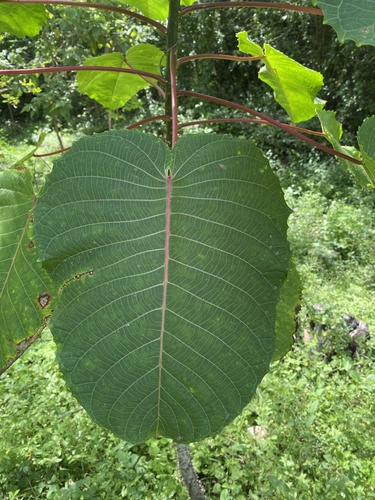 Hura polyandraHaba de San IgnacioHura polyandra
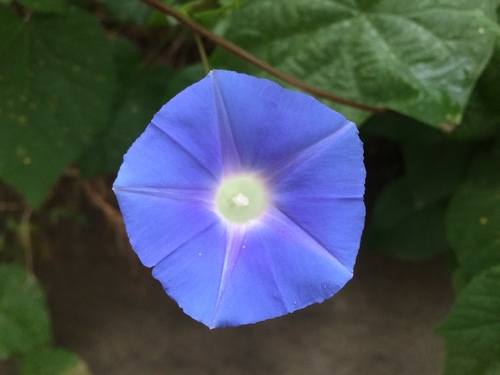 Japanese morning gloryCampanilla azulIpomoea nil
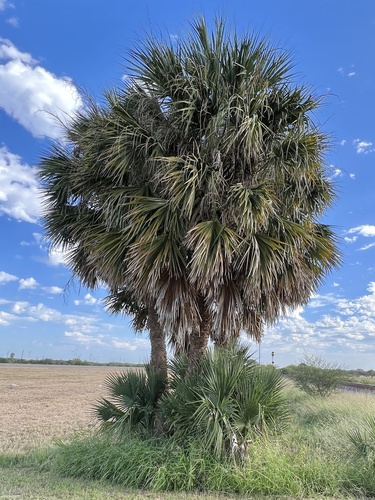 Mexican PalmettoSoyateSabal mexicana
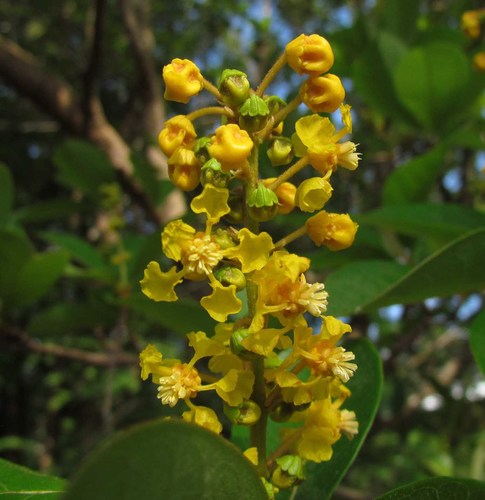 NanceNancheByrsonima crassifolia
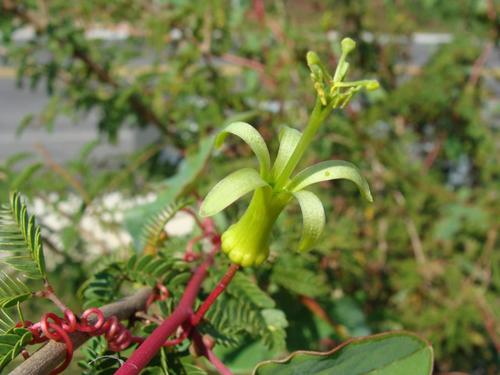 Passiflora viridifloraPassiflora viridiflora
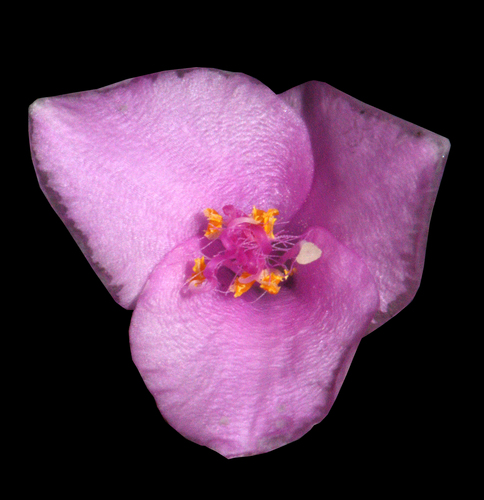 Purple HeartCohitre moradoTradescantia pallida
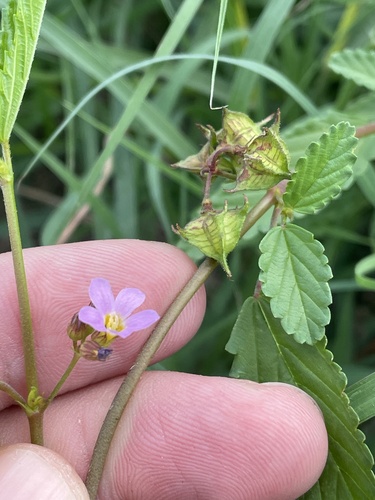 Pyramid FlowerEscobillaMelochia pyramidata
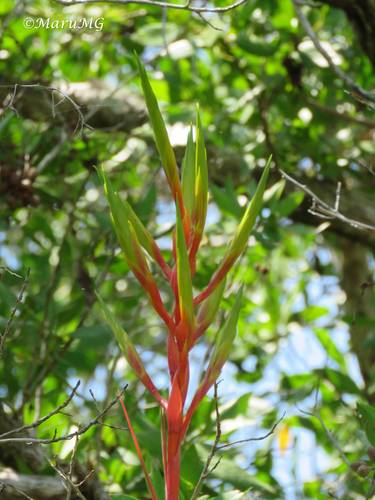 Tillandsia roland-gosseliniiTillandsia roland-gosselinii
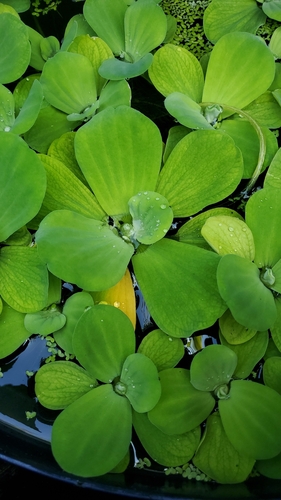 Water Lettucelechuguilla de aguaPistia stratiotes
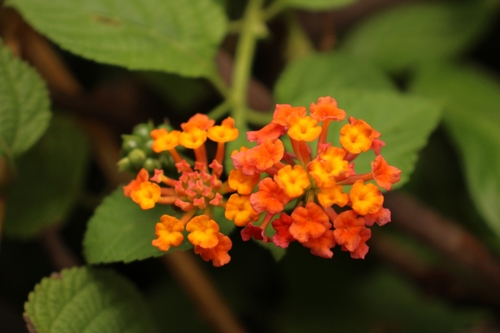 common lantanaSupirrosaLantana camara
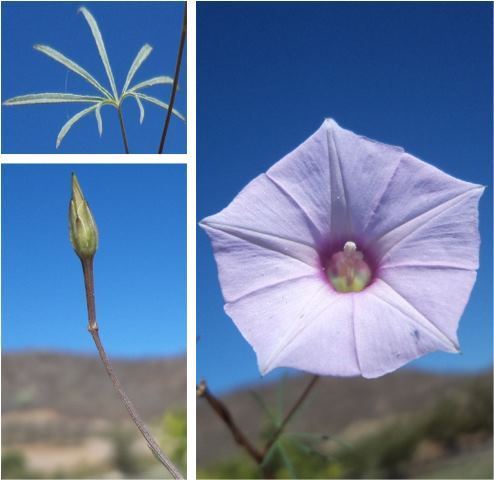 tripleleaf morning-glorymanto de la virgenIpomoea ternifolia
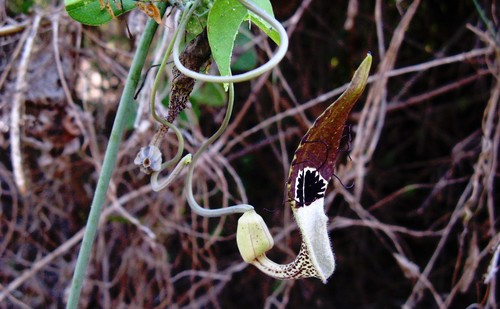 Aristolochia tentaculataAristolochia tentaculata
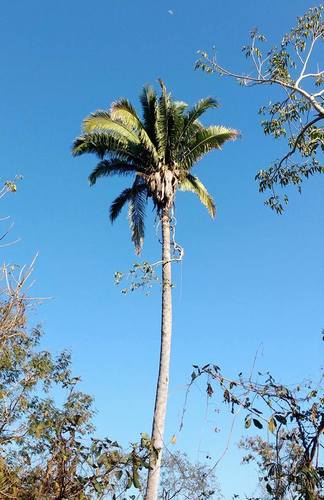 Attalea guacuyuleCorozo guacoyulAttalea guacuyule
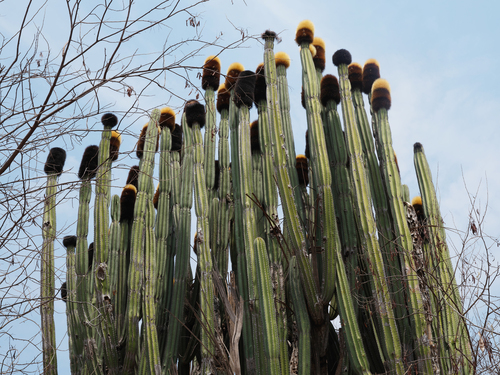 Backebergia militarisÓrgano de gorro tiponcheBackebergia militaris
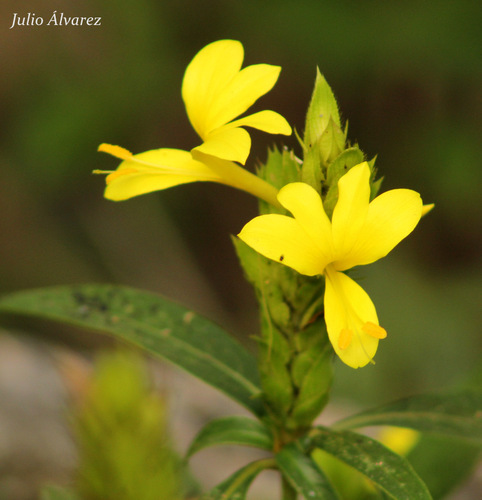 Barleria oenotheroidesBarleria oenotheroides
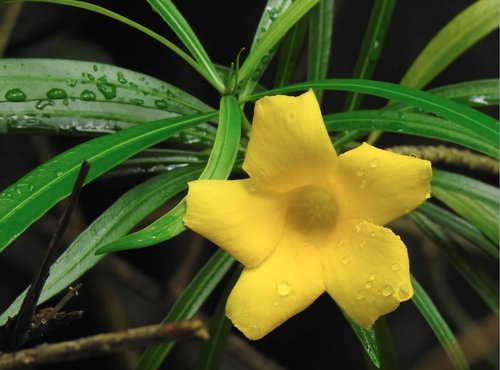 Be-still treeVenenilloCascabela thevetia
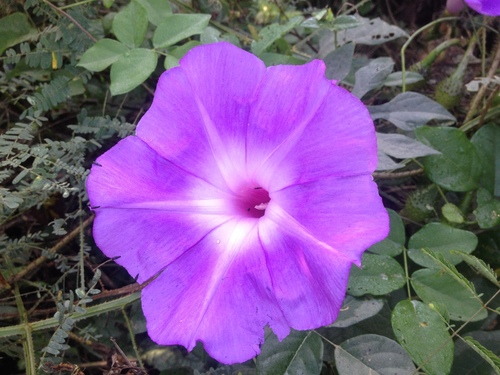 Brazilian morning-gloryIpomoea setosa
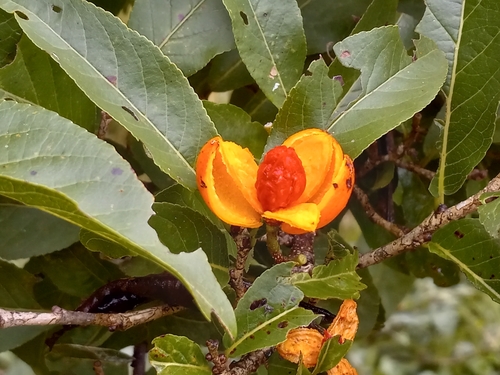 Casearia corymbosabotoncilloCasearia corymbosa
Flamboyant / Royal PoincianaTabachín / FlamboyánDelonix regia
Casearia corymbosabotoncilloCasearia corymbosa
Flamboyant / Royal PoincianaTabachín / FlamboyánDelonix regia
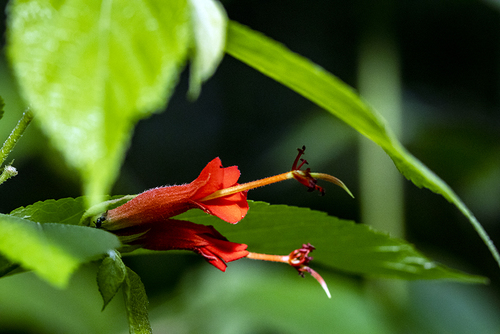 Helicteres guazumifoliabarrenilloHelicteres guazumifolia
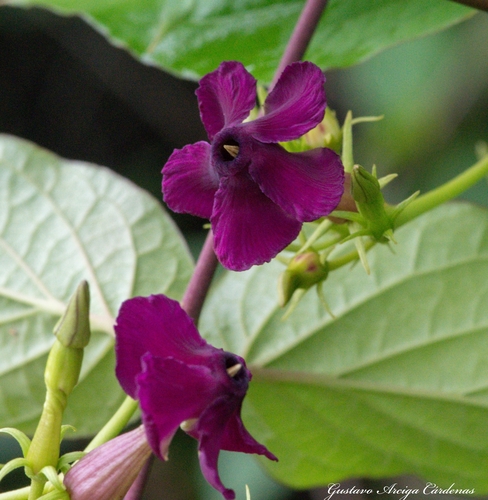 Laubertia contortaLaubertia contorta
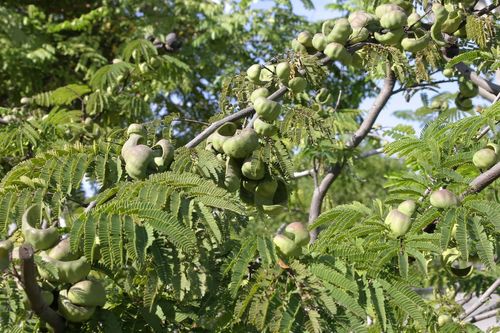 Libidibia coriariaCascaloteLibidibia coriaria
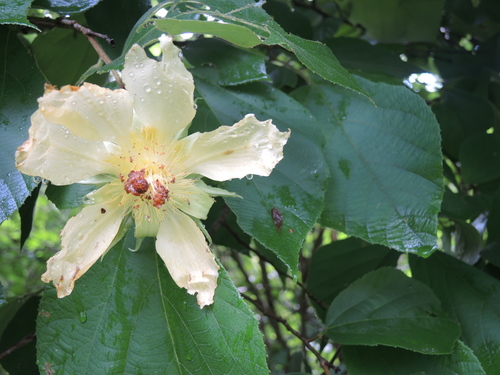 Luehea candidaAlgodoncilloLuehea candida
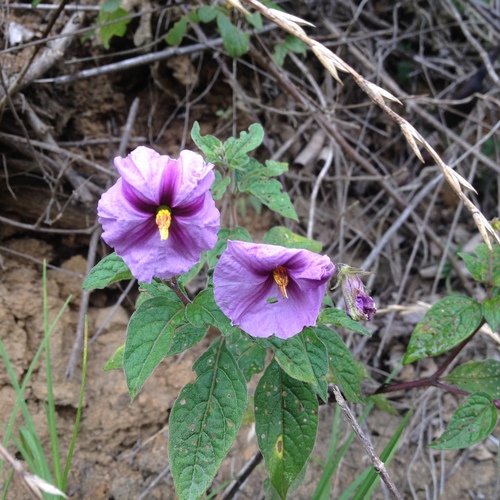 Lycianthes acapulcensisLycianthes acapulcensis
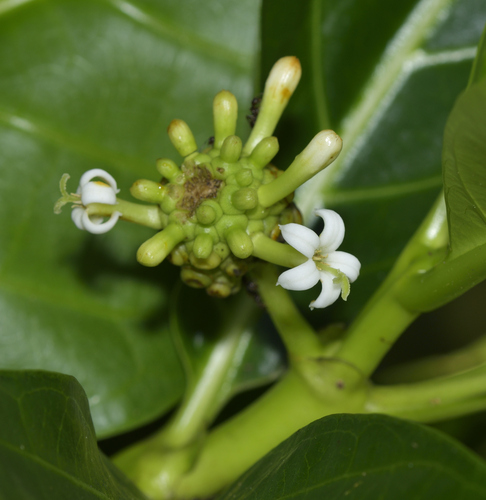 Nonimora de la IndiaMorinda citrifolia
PapayaCarica papaya
Nonimora de la IndiaMorinda citrifolia
PapayaCarica papaya
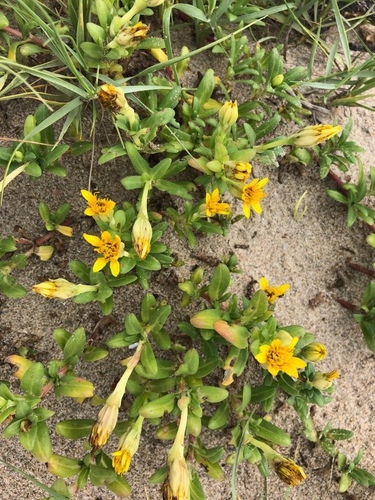 Pectis multiflosculosaRomero cimarrónPectis multiflosculosa
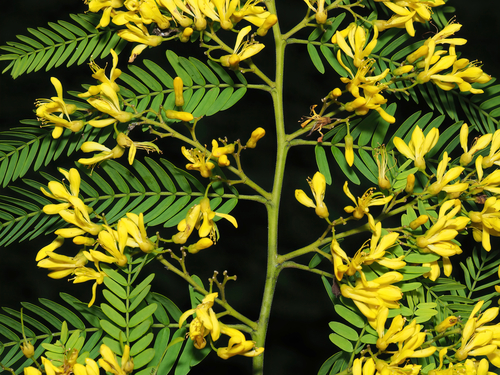 Poeppigia proceracorazón bonitoPoeppigia procera
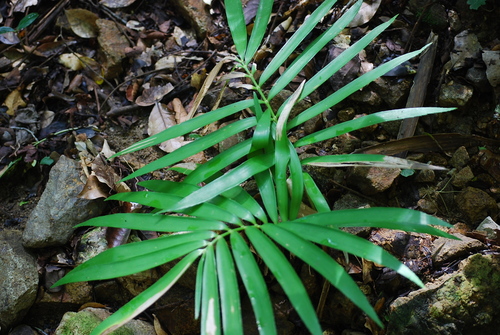 Zamia paucijugacícadaZamia paucijuga
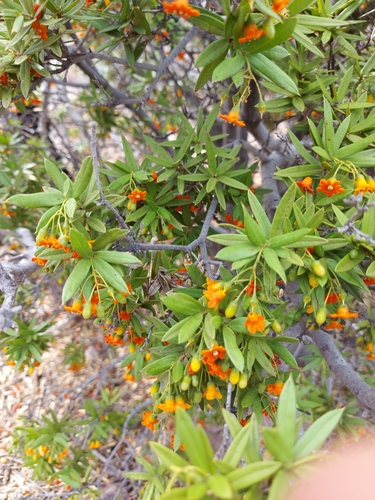 cudjoewoodAmoleBonellia macrocarpa
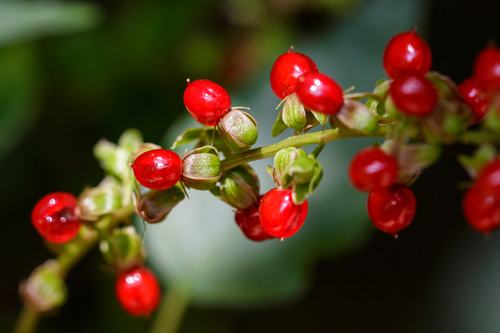 pigeonberrycoralitoRivina humilis
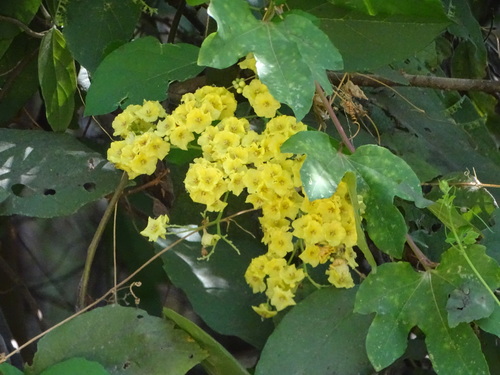 white manjackUvitoCordia dentata
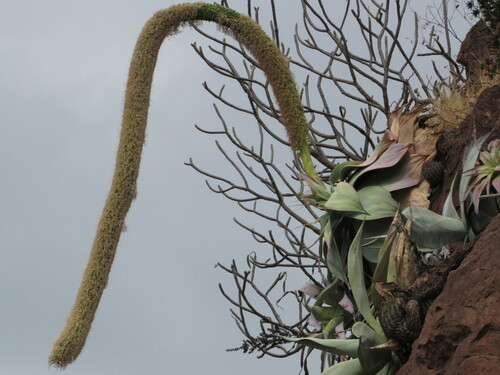 Agave infiernilloensisMaguey de InfiernilloAgave infiernilloensis
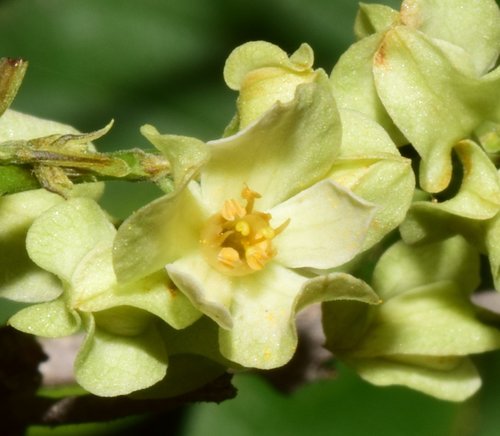 Antigonon flavescensbarba de viejoAntigonon flavescens
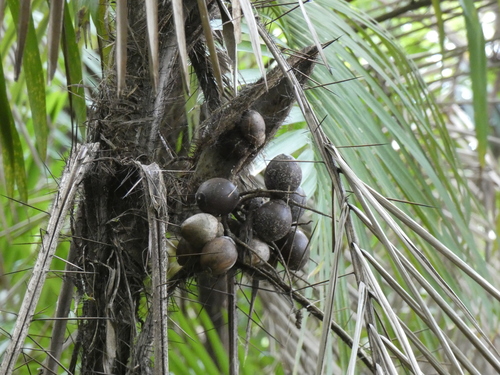 Bactris majorCoyolitoBactris major
 Blue PeaazulejoClitoria ternatea
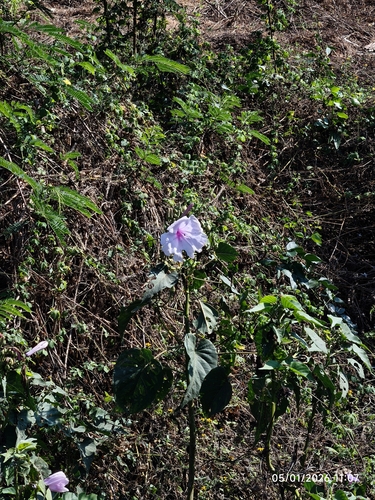 Bush Morning GloryAmapola rosaIpomoea carnea
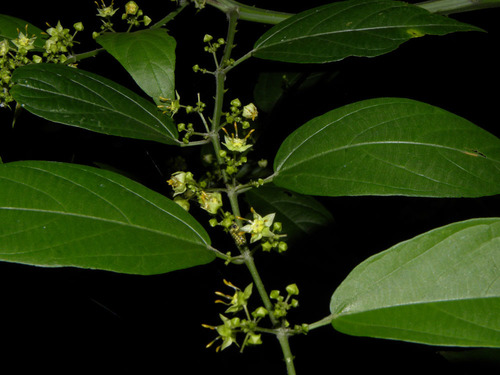 Byttneria aculeatagarabatoByttneria aculeata
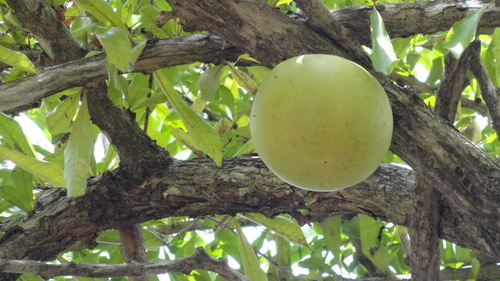 Calabash TreeTecomateCrescentia cujete
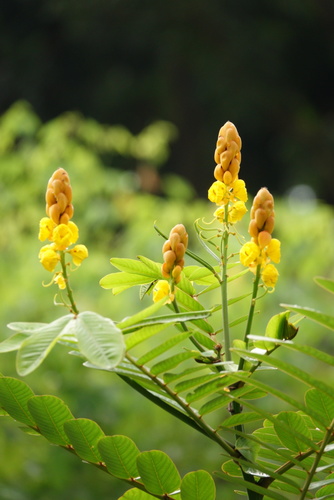 Candelabra BushbajaguaSenna alata
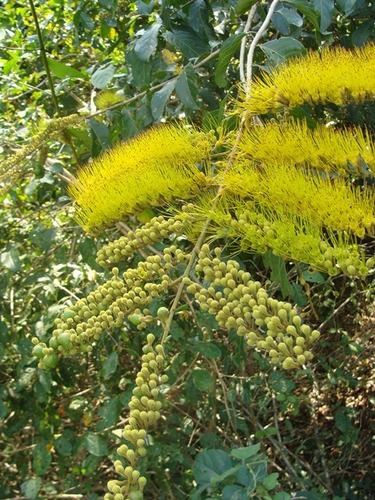 Combretum fruticosumBejuco coloradoCombretum fruticosum
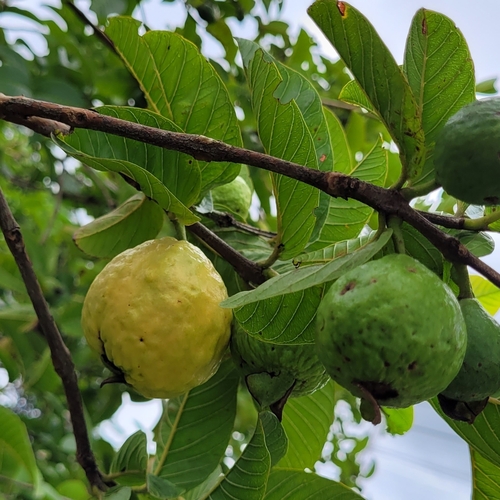 Common guavaGuayaba dulcePsidium guajava
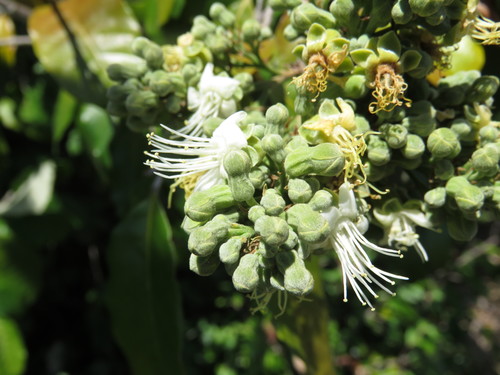 Couepia polyandrapalo de fraileCouepia polyandra
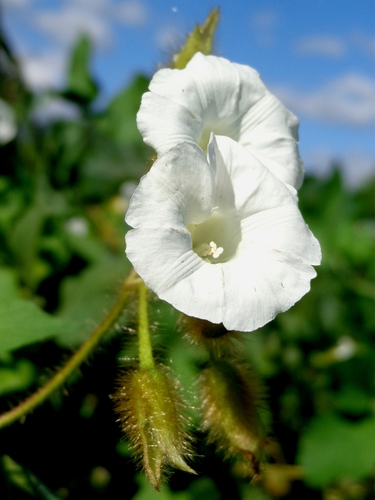 Egyptian woodrosetrompilloDistimake aegyptius
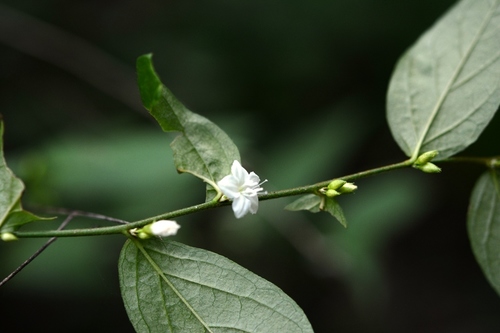 Evolvulus cardiophyllusEvolvulus cardiophyllus
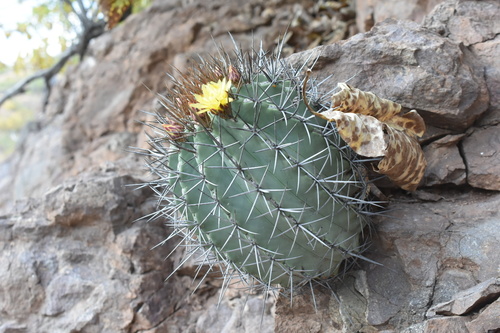 Ferocactus lindsayiBiznaga barril de MichoacánFerocactus lindsayi
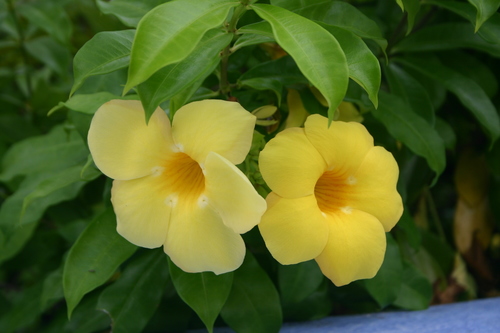 Golden TrumpetCopa de oroAllamanda cathartica
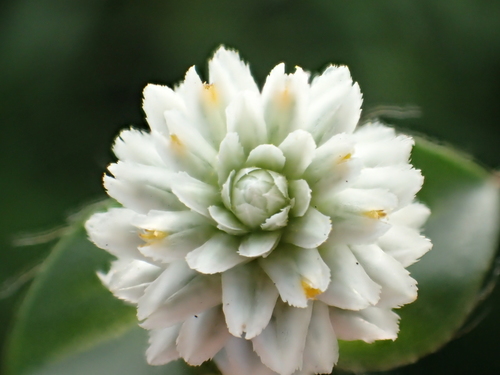 Gomphrena WeedAmor secoGomphrena serrata
Jamaican CherryCapulínMuntingia calabura
Jicaro TreeJícaroCrescentia alata
Gomphrena WeedAmor secoGomphrena serrata
Jamaican CherryCapulínMuntingia calabura
Jicaro TreeJícaroCrescentia alata
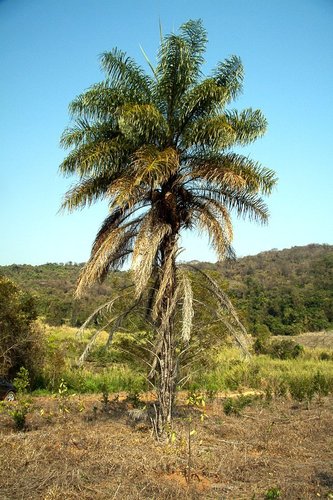 Macaw palmCocoyulAcrocomia aculeata
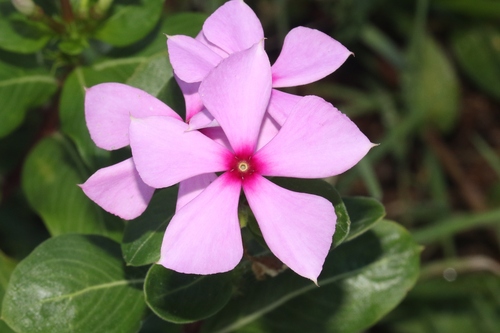 Madagascar PeriwinklechulaCatharanthus roseus
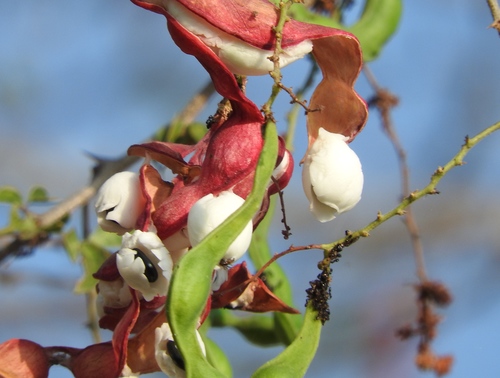 Madras ThornguamúchilPithecellobium dulce
Mexican PlumCiruela mexicanaSpondias purpurea
Madras ThornguamúchilPithecellobium dulce
Mexican PlumCiruela mexicanaSpondias purpurea
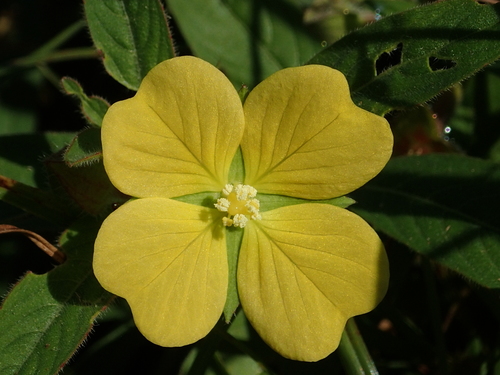 Mexican Primrose-willowClavoseLudwigia octovalvis
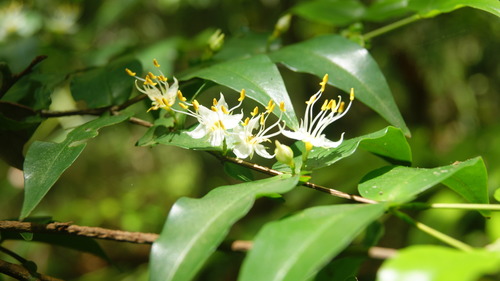 Mouriri myrtilloidesCacho venado, granadilloMouriri myrtilloides
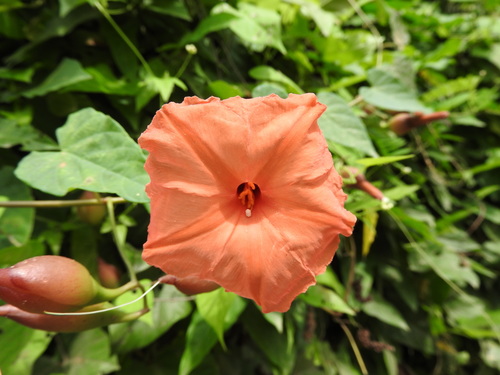 Operculina pteripesTlaca camoteOperculina pteripes
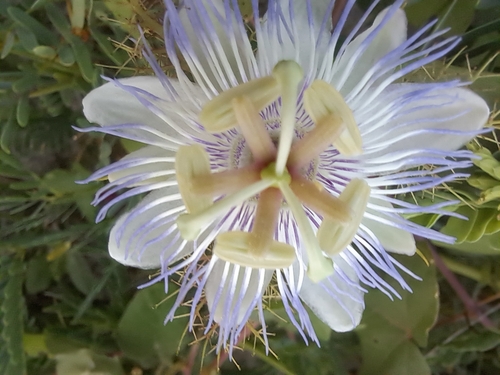 Passiflora hibiscifoliaFlor de la pasión del PacíficoPassiflora hibiscifolia
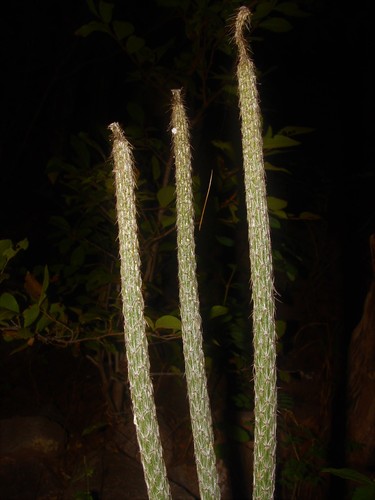 Peniocereus lazaro-cardenasiiPeniocereus lazaro-cardenasii
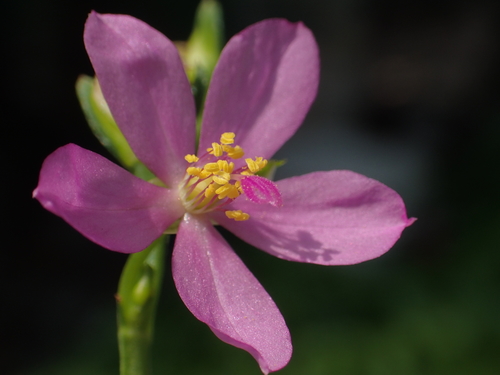 Philippine spinachQueliteTalinum fruticosum
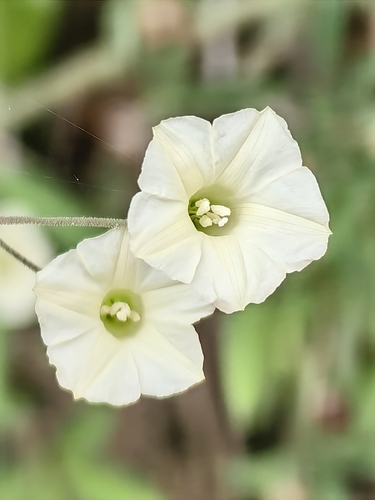 Rock RosemaryBatatilla blancaDistimake quinquefolius
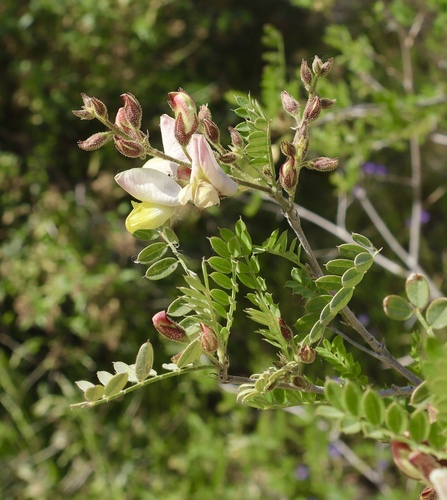 Rosary Babybonnetspalo dulceCoursetia glandulosa
Sea Hibiscus / Coastal CottonwoodMajaguaHibiscus tiliaceus
Rosary Babybonnetspalo dulceCoursetia glandulosa
Sea Hibiscus / Coastal CottonwoodMajaguaHibiscus tiliaceus
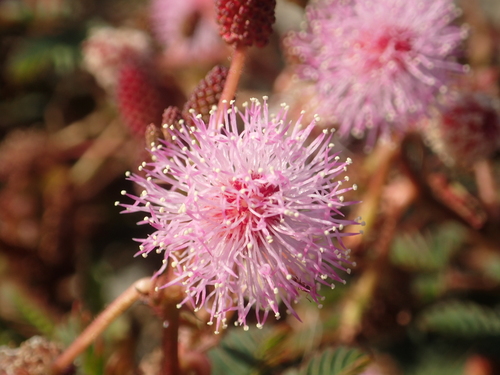 Sensitive PlantDormilonaMimosa pudica
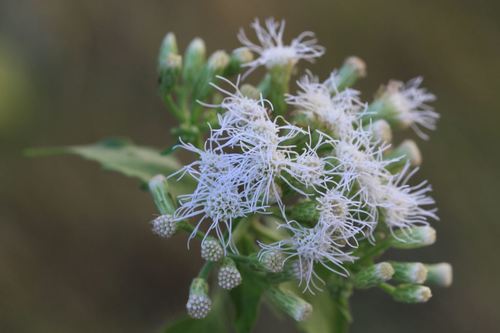 Siam weedAlbahaquillaChromolaena odorata
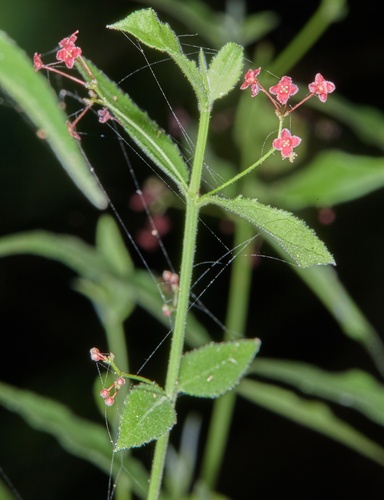 Snake BerryCrossopetalum uragoga
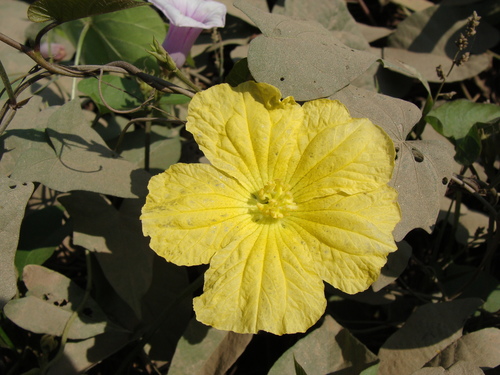 Sponge GourdEstropajoLuffa aegyptiaca
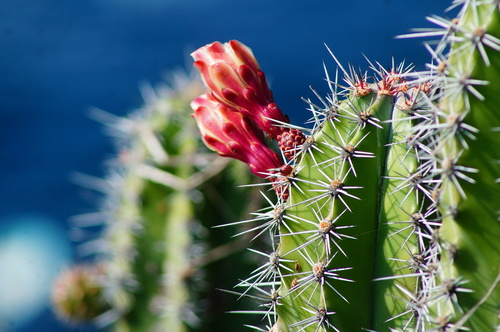 Stenocereus chacalapensispitayo giganteStenocereus chacalapensis
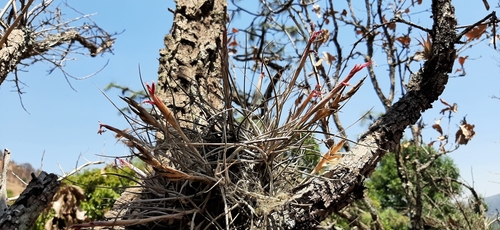 Tillandsia schiedeanaGallitoTillandsia schiedeana
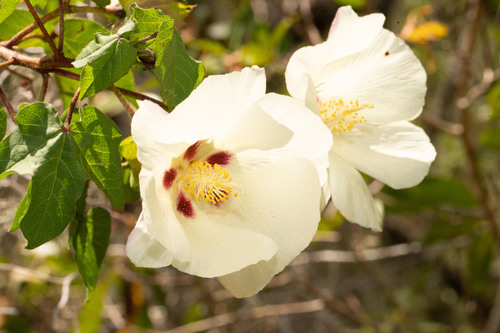 Upland CottonAlgodón mexicanoGossypium hirsutum
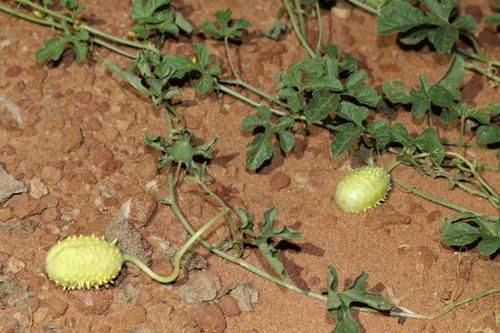 West Indian GherkinPepino mixtecoCucumis anguria
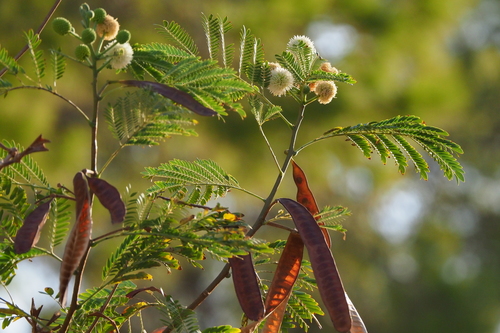 White leadtreeguajeLeucaena leucocephala
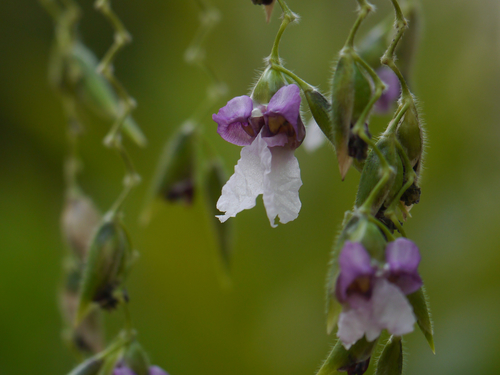 alligator flagPopalThalia geniculata
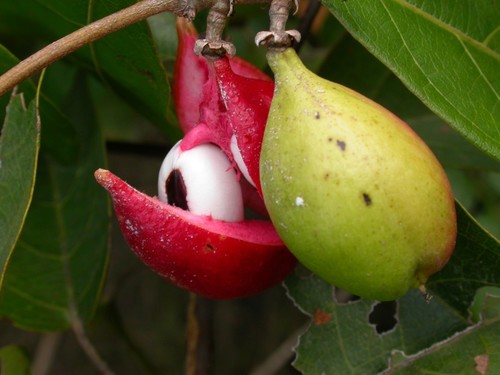 bread and cheeseBejuco de costillaPaullinia pinnata
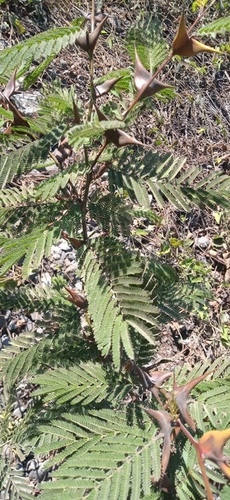 bullhorn acaciaCornezueloVachellia cornigera
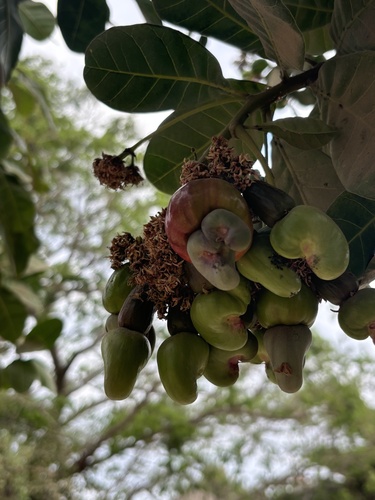 cashewMarañónAnacardium occidentale
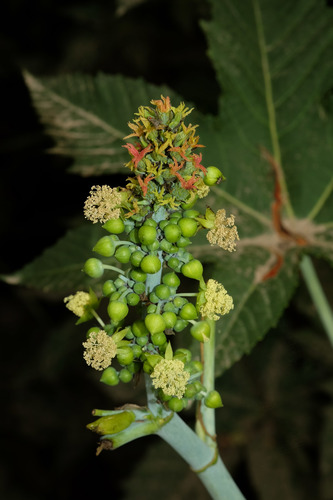 castor beanHigueretaRicinus communis
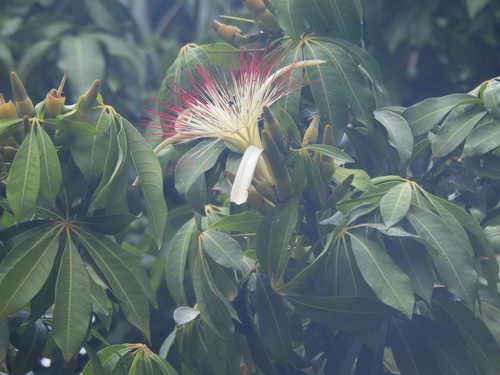 provision treeZapote de aguaPachira aquatica
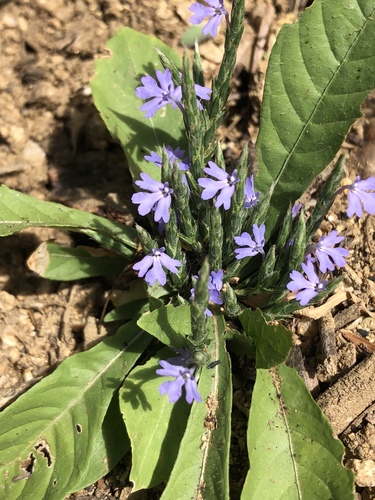 purple scalystemAnisilloElytraria imbricata
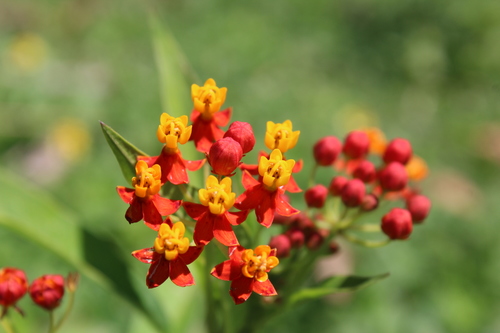 tropical milkweedAlgodoncillo tropicalAsclepias curassavica
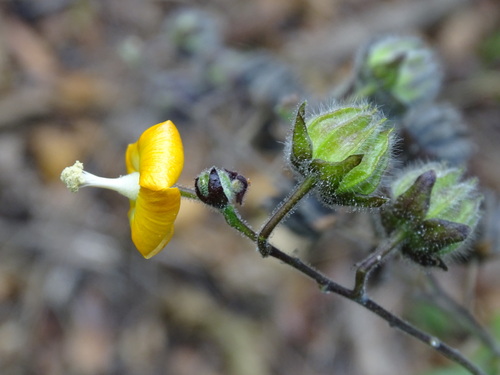 Abutilon haenkeanumAbutilon haenkeanum
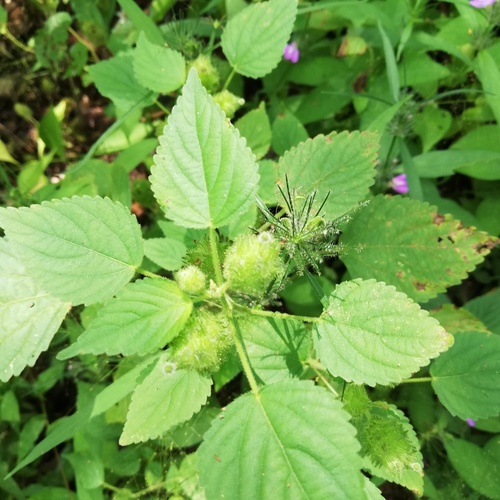 Acalypha havanensisAcalypha havanensis
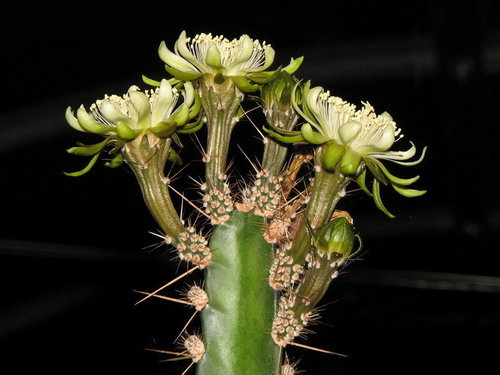 Acanthocereus castellaetasajillo de ColimaAcanthocereus castellae
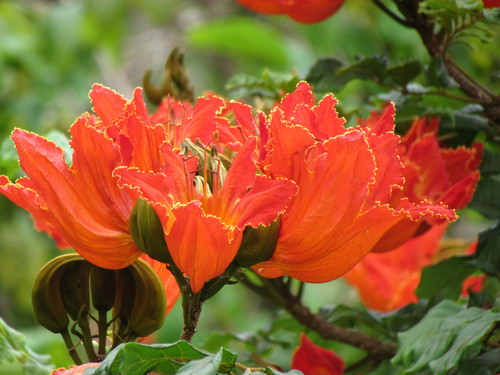 African tulip treeTulipán africanoSpathodea campanulata
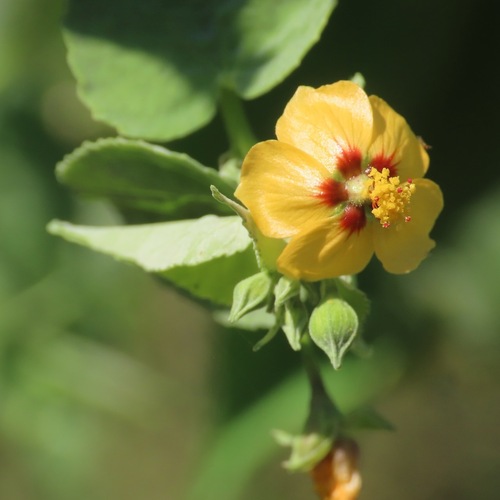 Anglestem Indian MallowpelotazoAbutilon trisulcatum
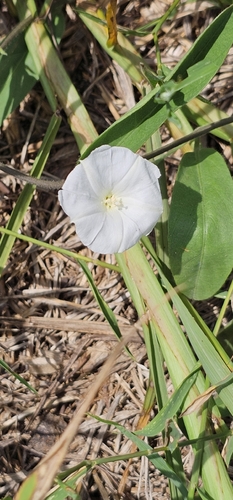 Aniseia martinicensisAniseia martinicensis
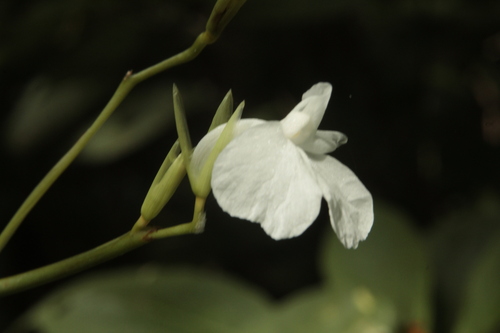 ArrowrootSagúMaranta arundinacea
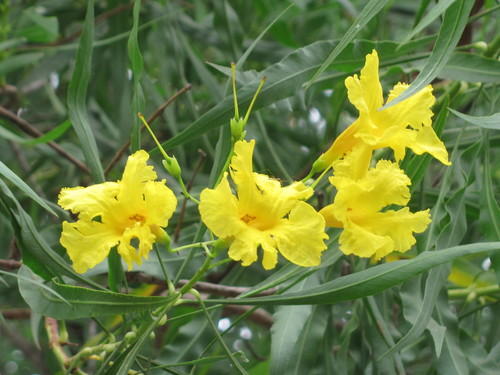 Astianthus viminalisAchuchilAstianthus viminalis
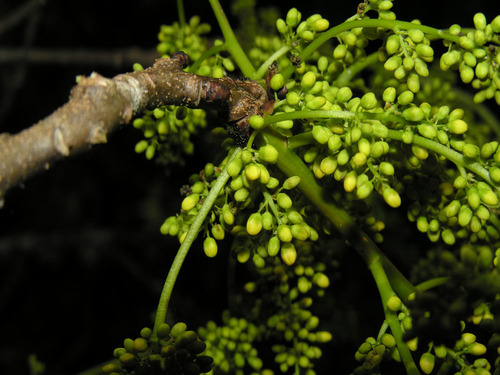 Astronium graveolensAmargosoAstronium graveolens
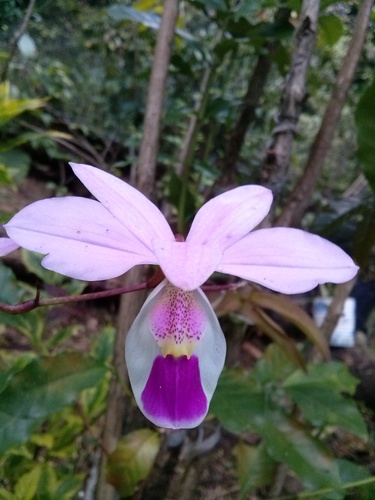 Barkeria unifloraBarkeria uniflora
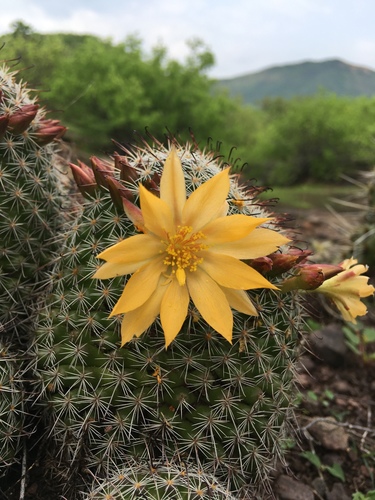 Benecke Fishhook CactusBiznaga del cerro GuiengolaMammillaria beneckei
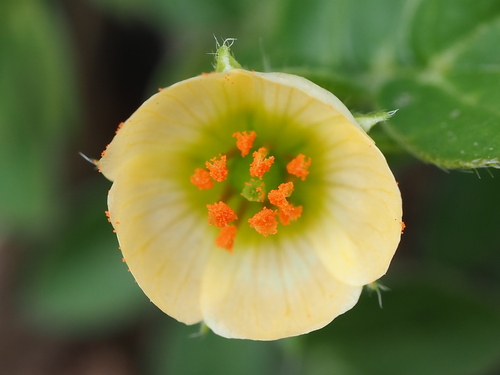 Big caltropAbrojo de flor amarillaKallstroemia maxima
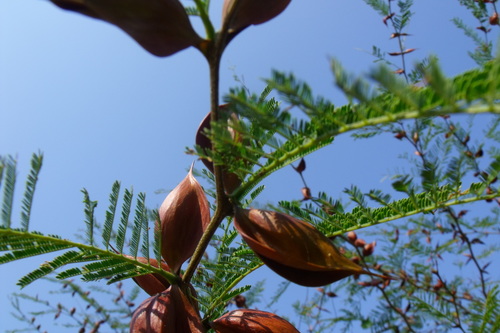 Boat-spine AcaciaHuinoloVachellia campeachiana
Brasiletto / Mexican LogwoodPalo de brasilHaematoxylum brasiletto
Boat-spine AcaciaHuinoloVachellia campeachiana
Brasiletto / Mexican LogwoodPalo de brasilHaematoxylum brasiletto
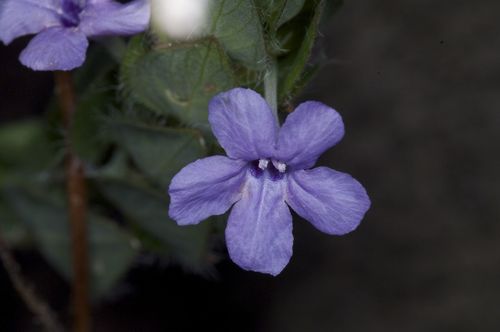 Browne's blechumCamarónRuellia blechum
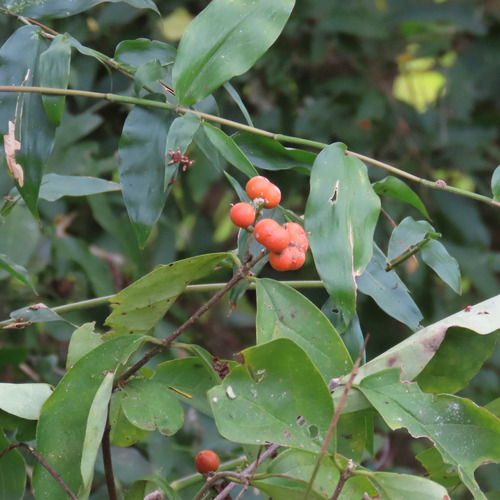 Bunchosia palmeripalo sapoBunchosia palmeri
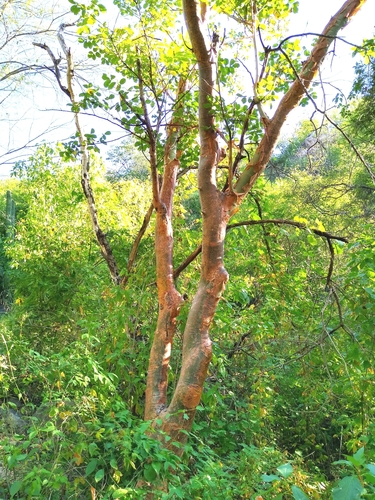 Bursera grandifoliaCuajioteBursera grandifolia
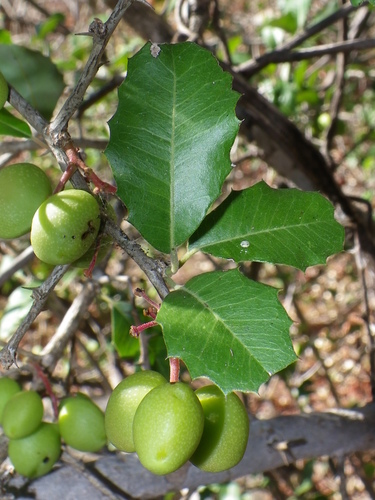 Castela retusapalo amargosoCastela retusa
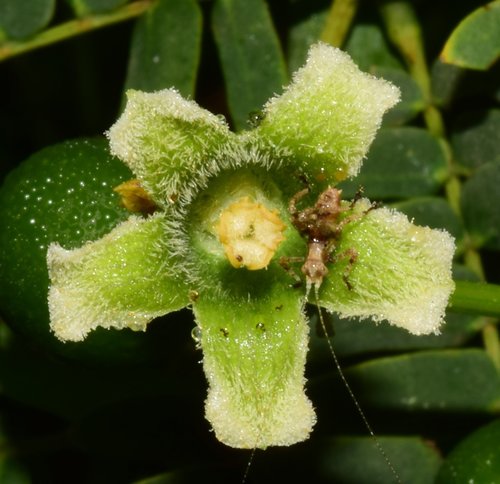 Cayaponia attenuataCayaponia attenuata
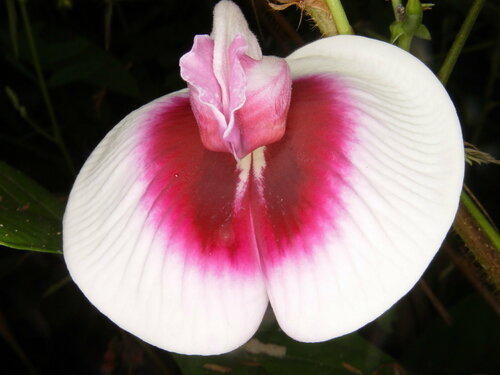 Centrosema plumierigallitoCentrosema plumieri
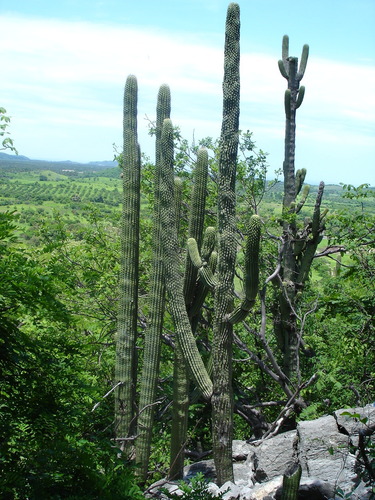 Cephalocereus nudusTetecho de flor escamosaCephalocereus nudus
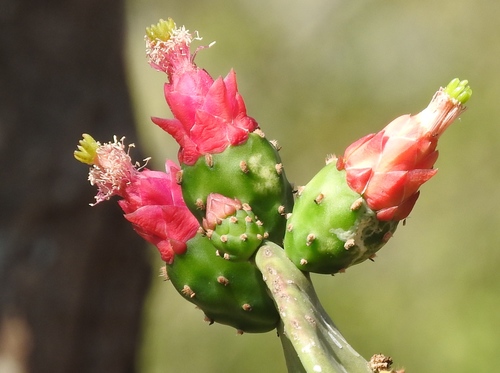 Cochineal Nopal CactusNopal de la cochinillaOpuntia cochenillifera
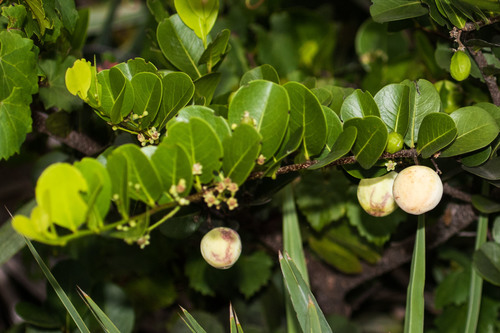 CocoplumIcacoChrysobalanus icaco
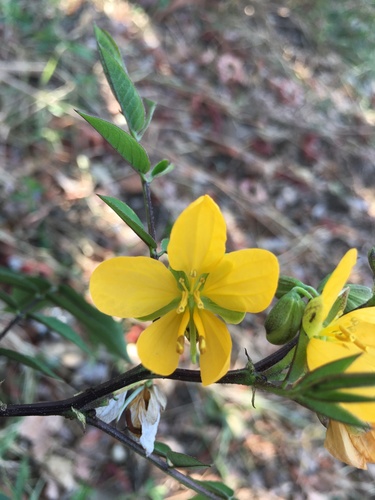 Coffee SennaCandelilla chicaSenna occidentalis
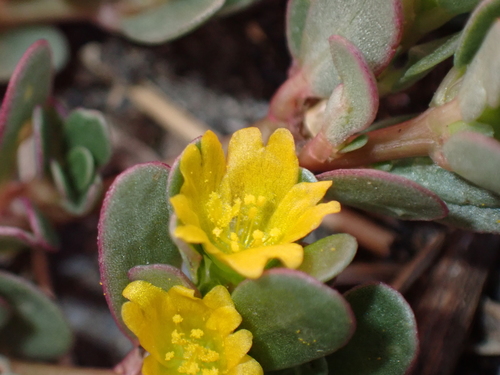 Common PurslaneVerdolagaPortulaca oleracea
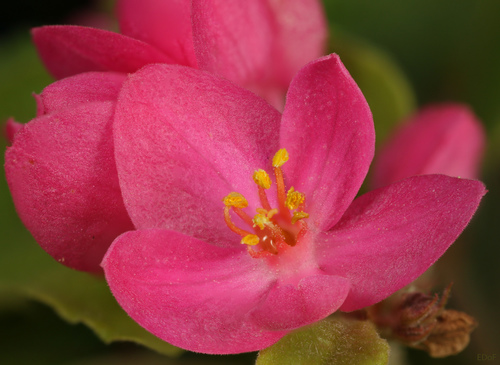 Coral VinebellísimaAntigonon leptopus
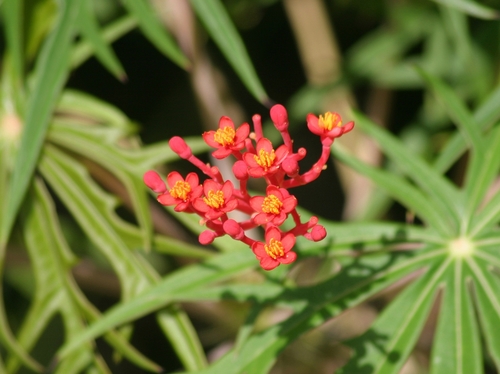 CoralbushPlanta de coralJatropha multifida
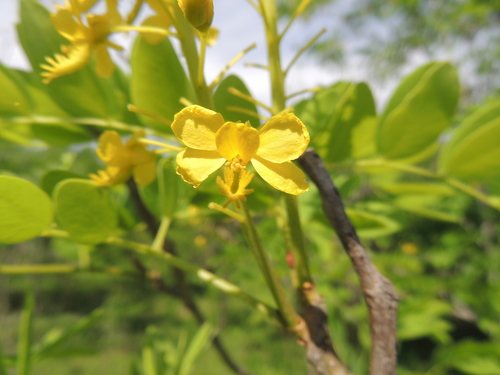 Coulteria platylobaPalo coloradoCoulteria platyloba
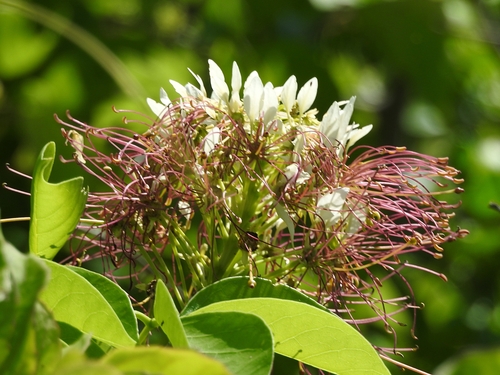 Crateva tapiaPerihueteCrateva tapia
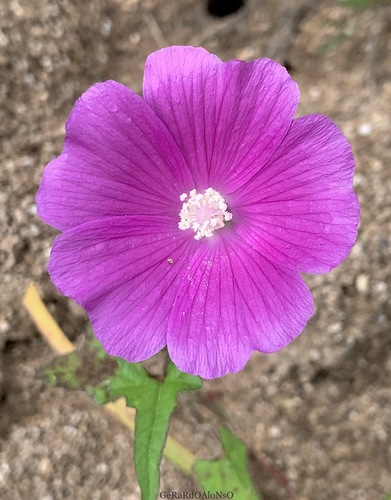 Crested anodavioletaAnoda cristata
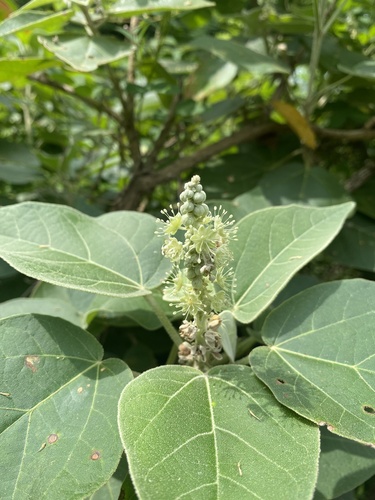 Croton suberosusCroton suberosus
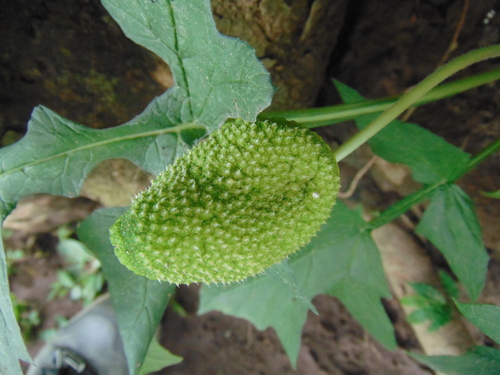 Dorstenia drakenaGallitoDorstenia drakena
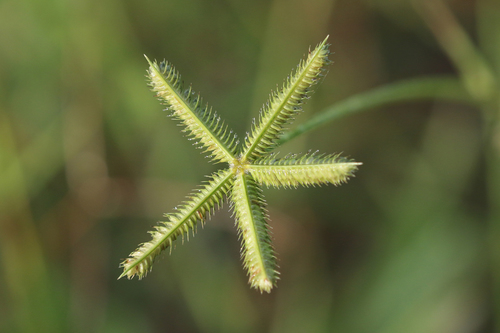 Durban CrowfootPasto pata de polloDactyloctenium aegyptium
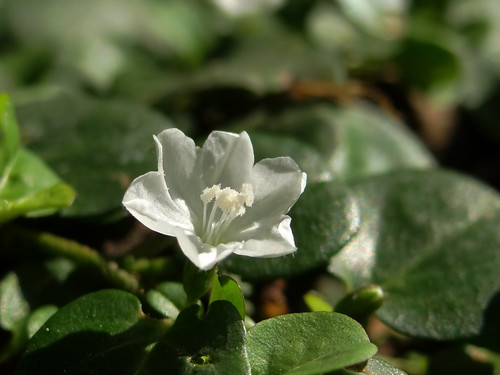 Dwarf Morning GloryAgracejo rastreroEvolvulus nummularius
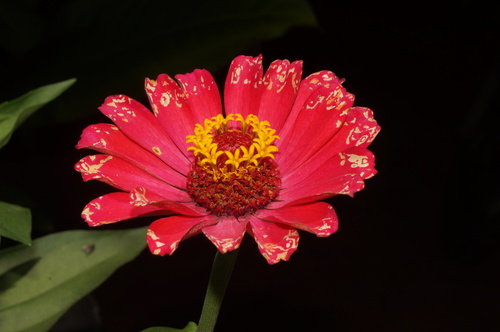 Elegant ZinniaCarolina amarillaZinnia elegans
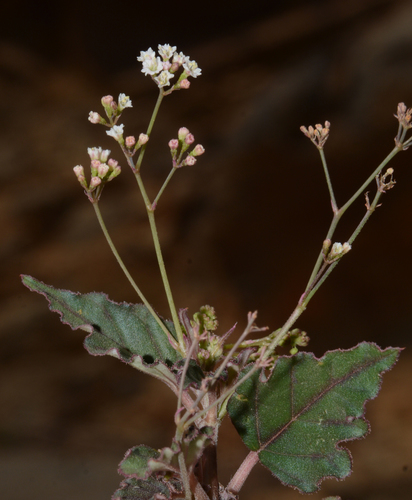 Erect spiderlinggolondrinaBoerhavia erecta
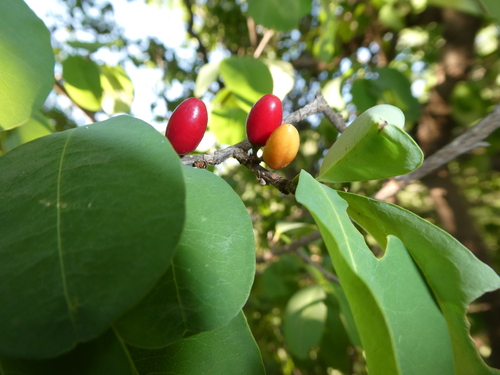 Erythroxylum mexicanumMamoaErythroxylum mexicanum
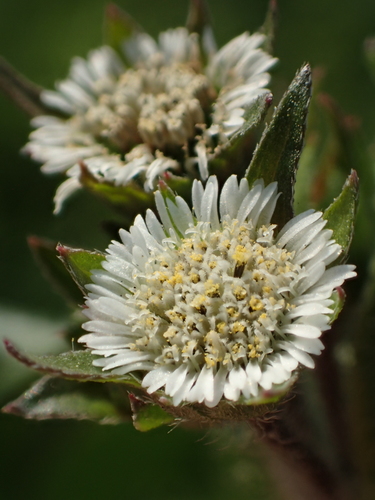 False DaisyEclipta prostrata
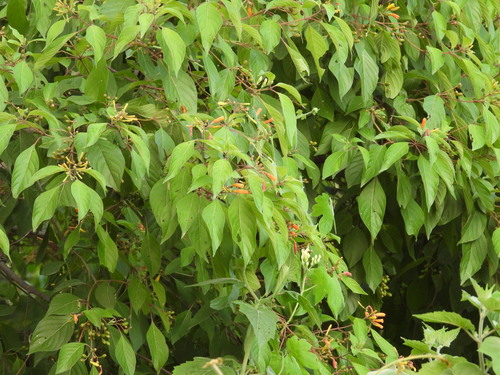 FirebushCoralilloHamelia patens
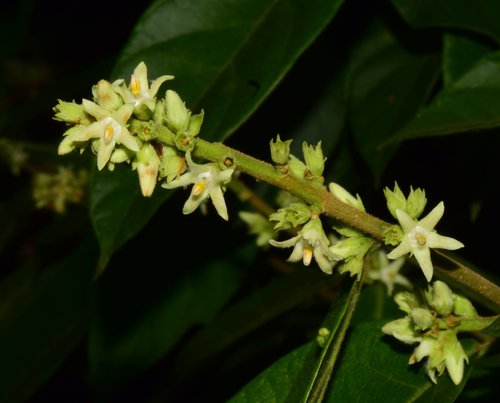 Forsteronia spicataForsteronia spicata
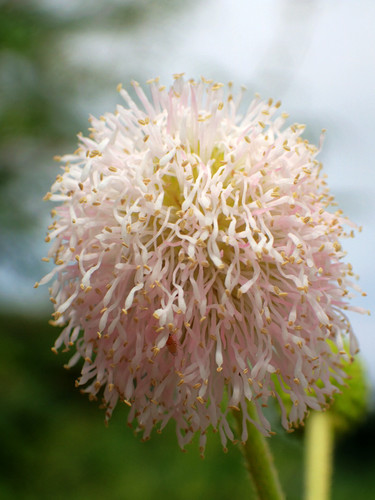 Giant Sensitive PlantZarza negraMimosa pigra
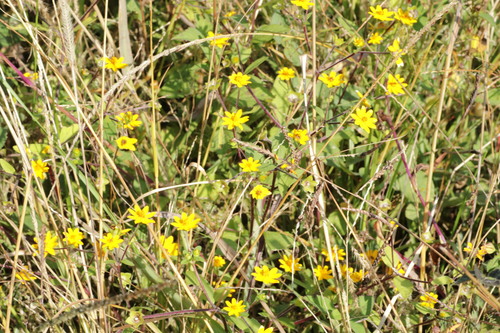 Gold MedallionAcahual amarilloMelampodium divaricatum
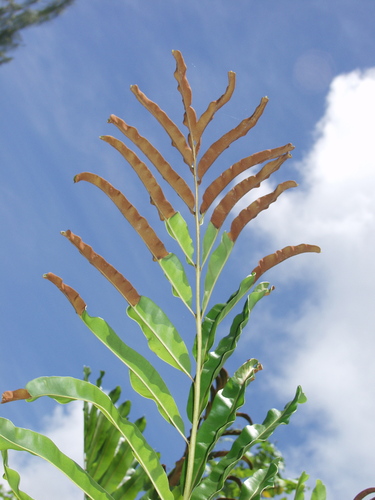 Golden Leather FernPalmita del ríoAcrostichum aureum
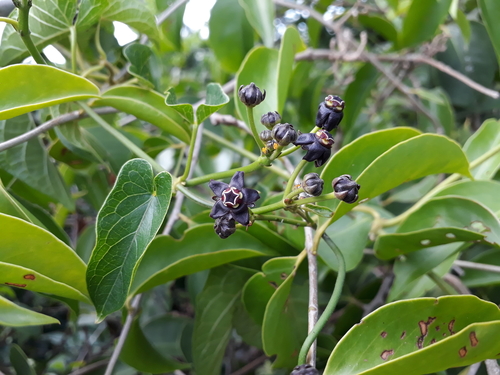 Gonolobus nigertalayoteGonolobus niger
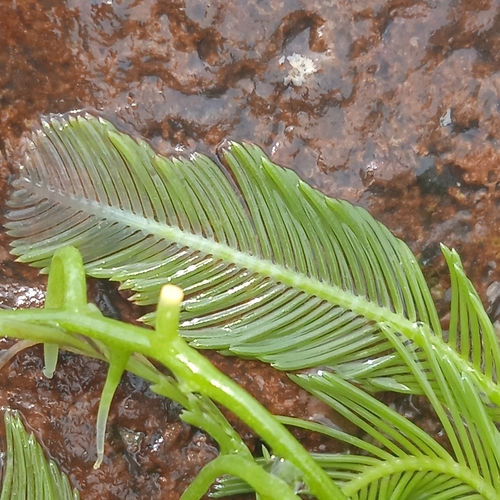 Green Feather AlgaAlga pluma verdeCaulerpa sertularioides
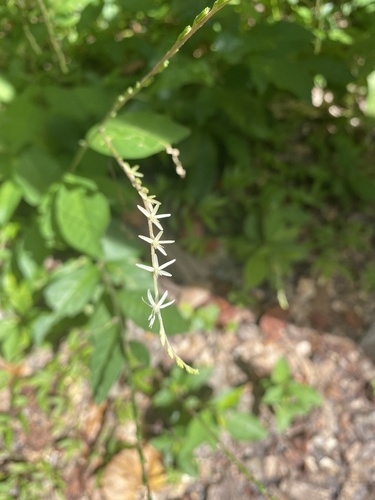 Guinea Hen WeedanamúPetiveria alliacea
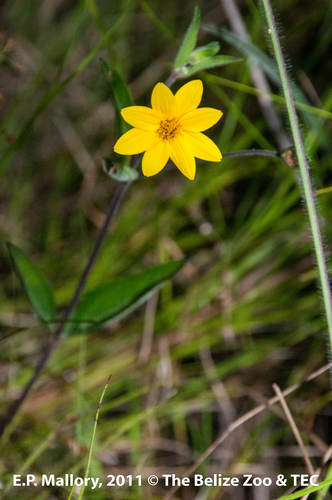 Hairy WedeliaWedelia acapulcensis
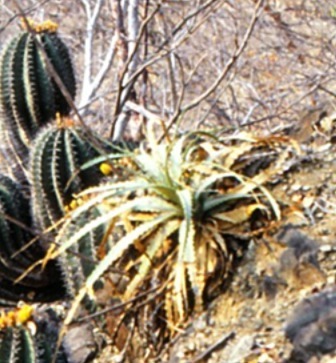 Hechtia melanocarpaHechtia melanocarpa
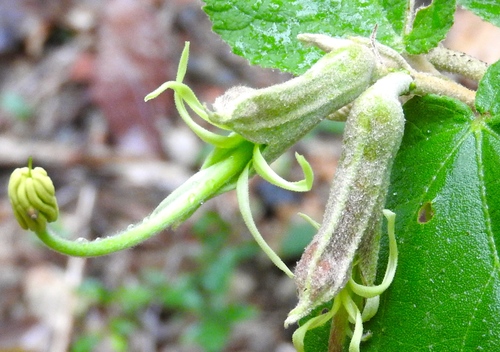 Helicteres baruensisalgodoncilloHelicteres baruensis
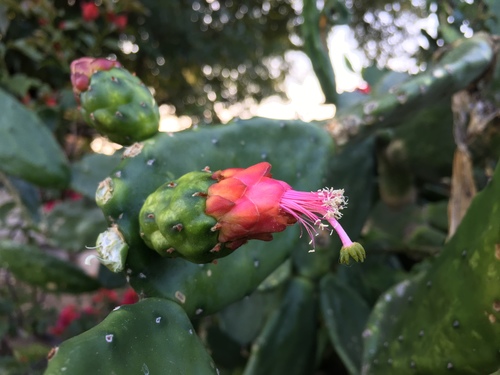 Hummingbird NopalNopal lengua de vacaOpuntia karwinskiana
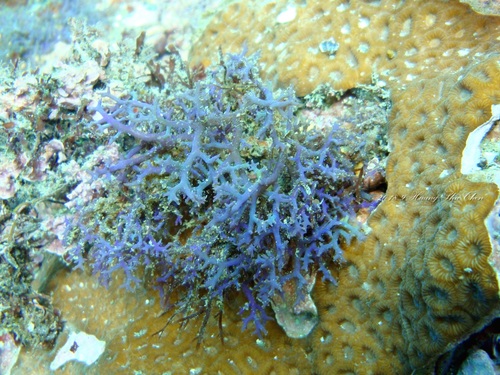 Hypnea pannosaHypnea pannosa
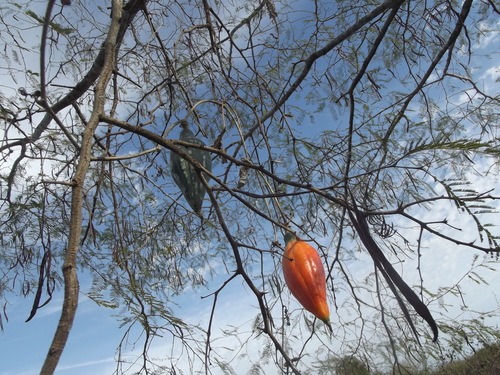 Ibervillea fusiformisIbervillea fusiformis
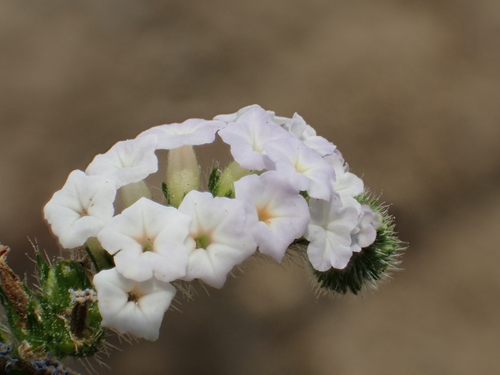 Indian HeliotropeCola de alacránHeliotropium indicum
 Ipomoea bracteataBejuco blancoIpomoea bracteata
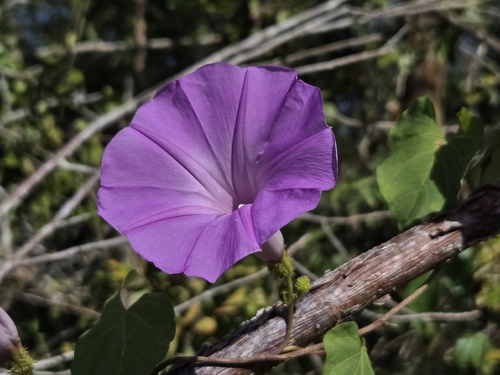 Ipomoea crinicalyxCampanilla lilaIpomoea crinicalyx
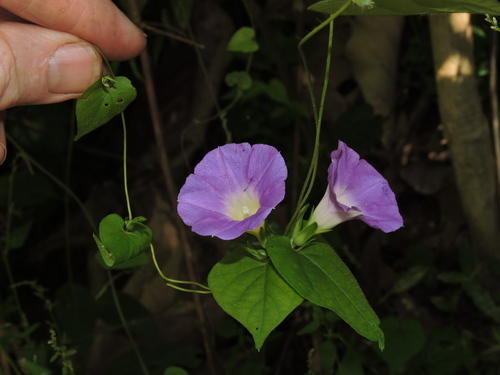 Ipomoea meyeriIpomoea meyeri
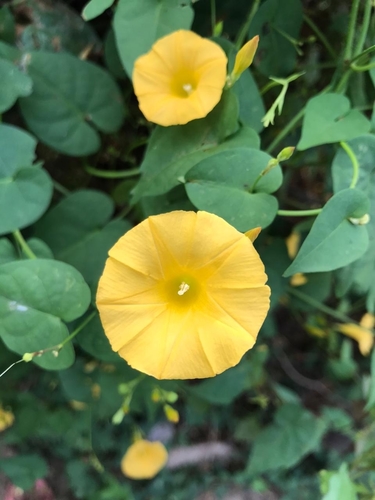 Ipomoea microsepalaCampanilla amarillaIpomoea microsepala
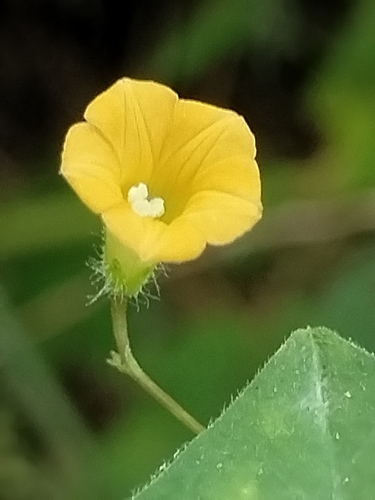 Ipomoea minutifloratrompilloIpomoea minutiflora
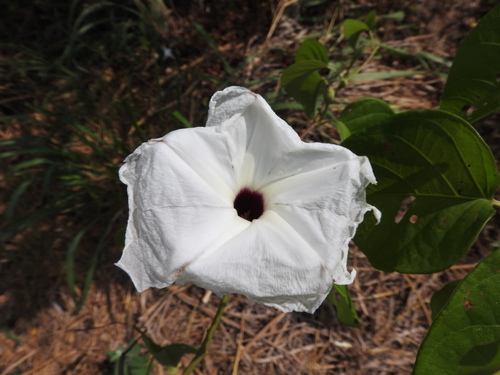 Ipomoea populinaIpomoea populina
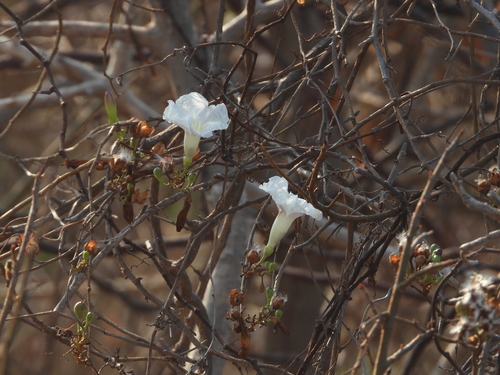 Ipomoea pruinosaIpomoea pruinosa
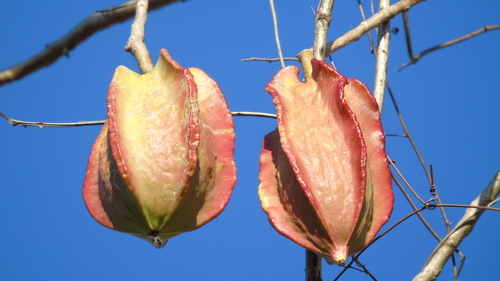 Jacaratia mexicanaBoneteJacaratia mexicana
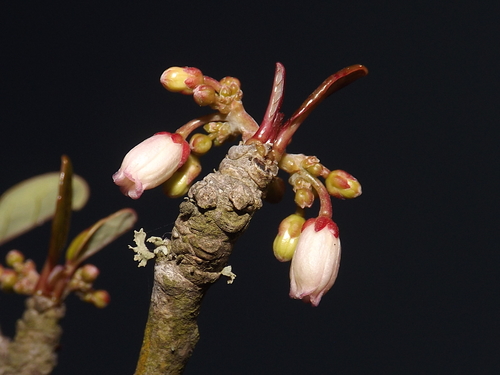 Jatropha sympetalapapelilloJatropha sympetala
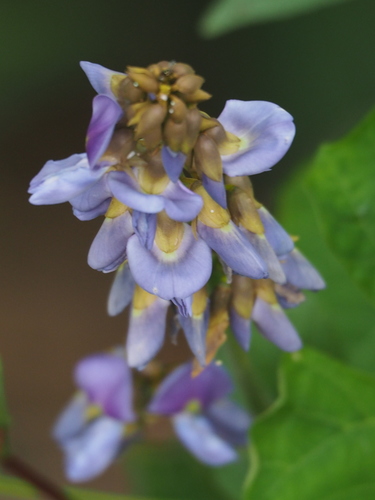 JicamaJícamaPachyrhizus erosus
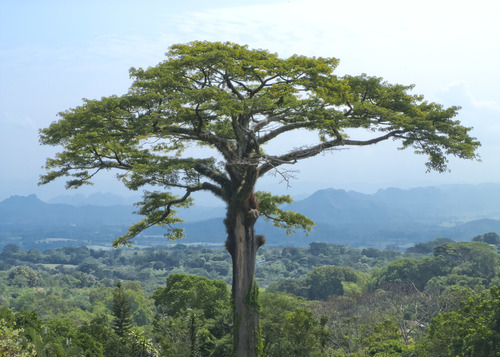 KapokCeibaCeiba pentandra
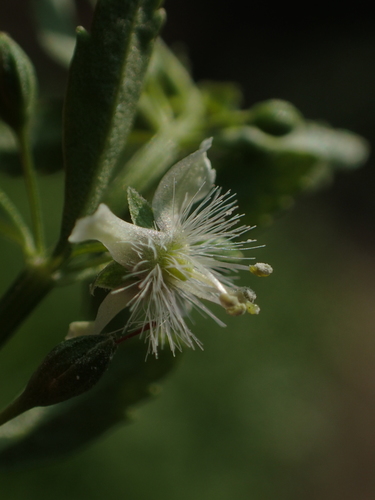 Licorice WeedCulantrilloScoparia dulcis
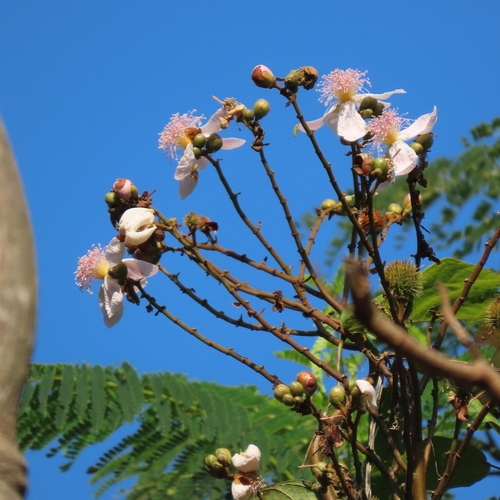 LipsticktreeAchioteBixa orellana
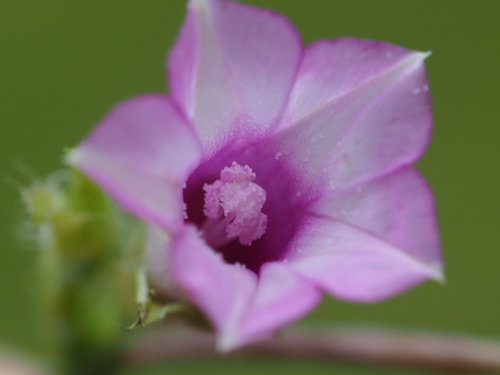 LittlebellCampanillaIpomoea triloba
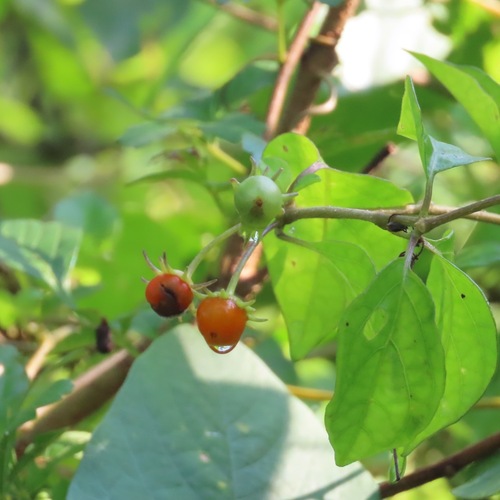 Lycianthes lentaLycianthes lenta
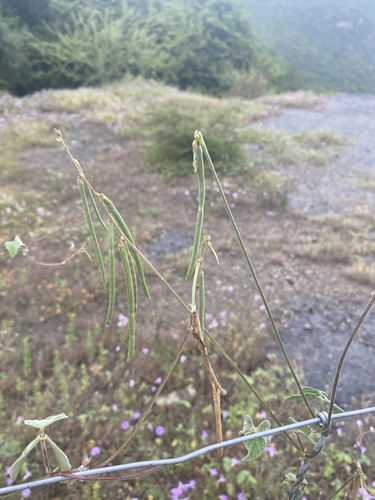 Macroptilium longepedunculatumMacroptilium longepedunculatum
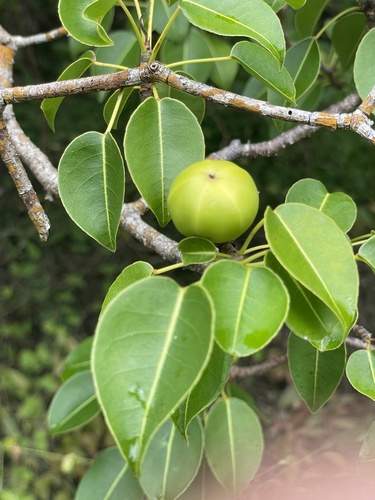 ManchineelÁrbol de la muerteHippomane mancinella
MangoMangifera indica
ManchineelÁrbol de la muerteHippomane mancinella
MangoMangifera indica
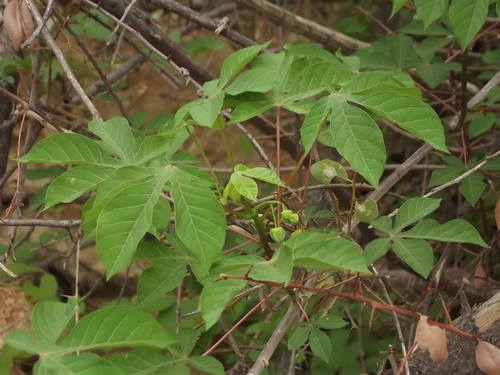 Manihot chlorostictacandelillaManihot chlorosticta
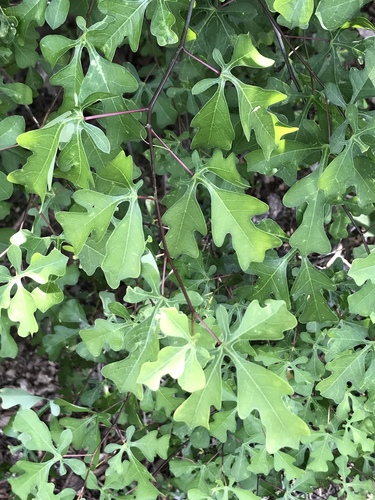 Manihot mcvaughiiManihot mcvaughii
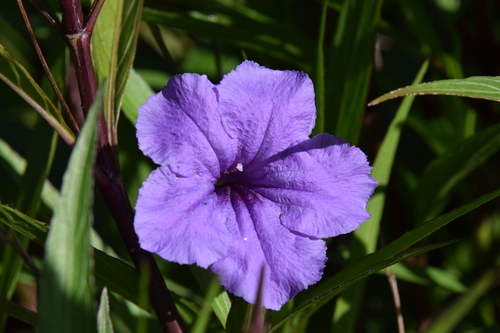 Mexican RuelliaPetunia mexicanaRuellia simplex
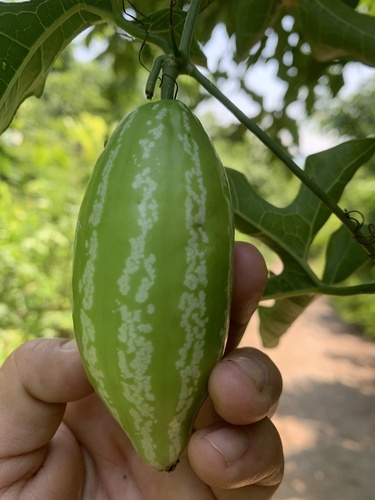 Mexican Sour GherkinSandía de ratónMelothria scabra
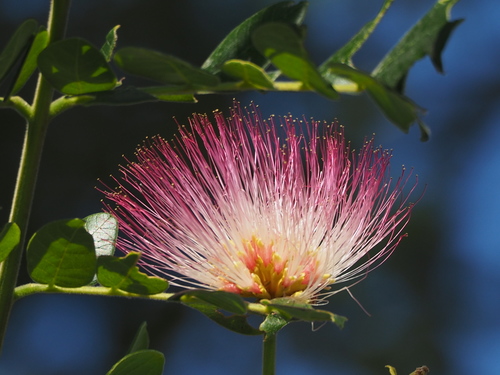 Monkey pod treeSamánSamanea saman
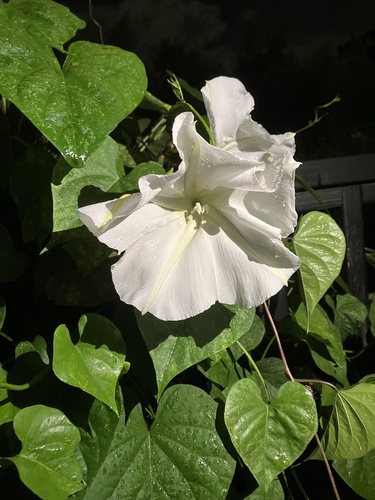 MoonflowerAmoleIpomoea alba
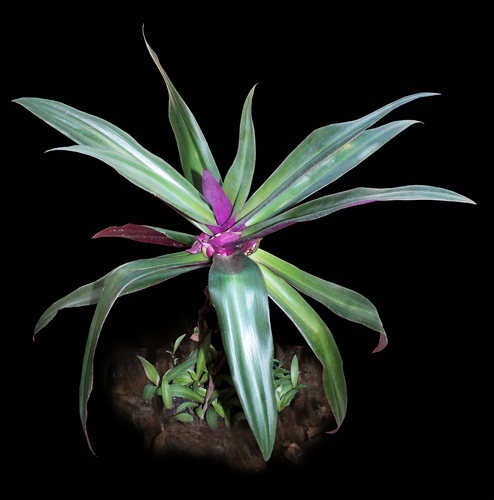 Moses-in-the-cradleMaguey moradoTradescantia spathacea
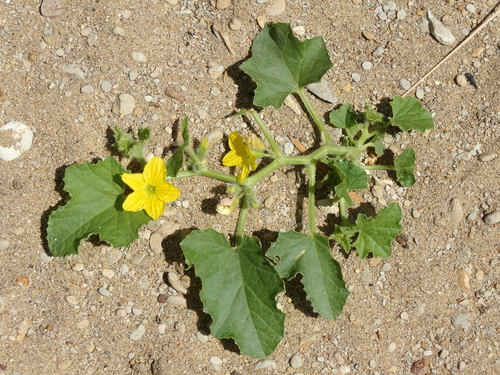 MuskmelonMelónCucumis melo
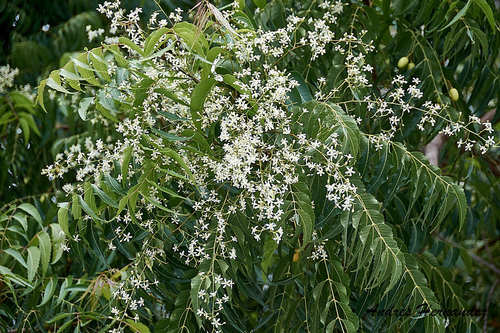 NeemNeem de la IndiaAzadirachta indica
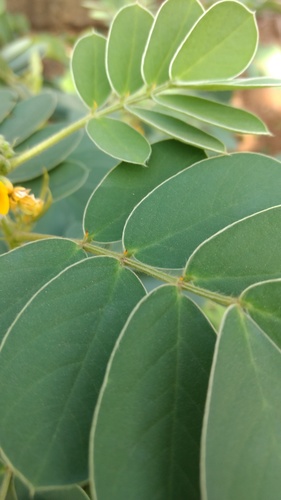 Oneleaf SennaCacahuatilloSenna uniflora
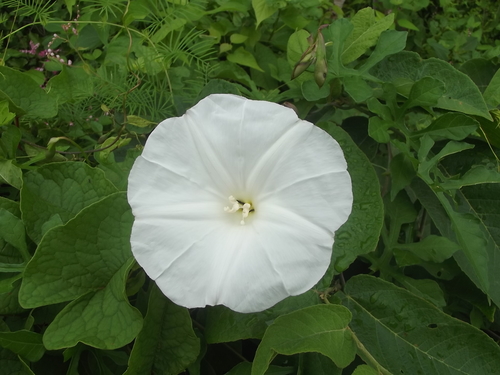 Operculina pinnatifidaPata de galloOperculina pinnatifida
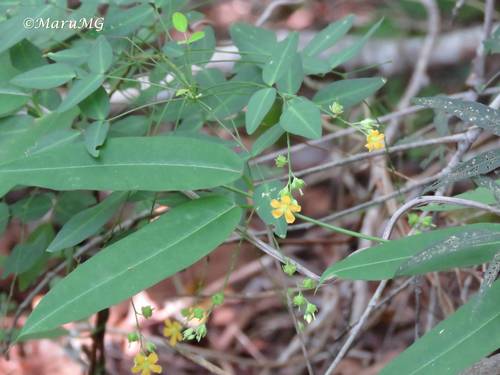 Oxalis sepiumOxalis sepium
Pacific Coast MahoganyCaobaSwietenia humilis
Oxalis sepiumOxalis sepium
Pacific Coast MahoganyCaobaSwietenia humilis
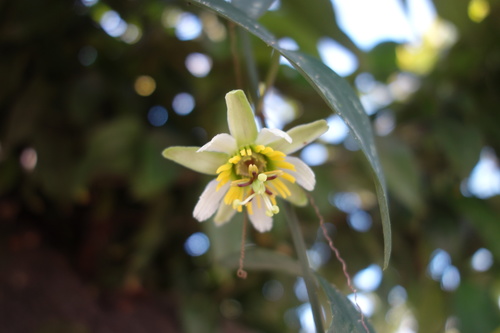 Passiflora transversaPassiflora transversa
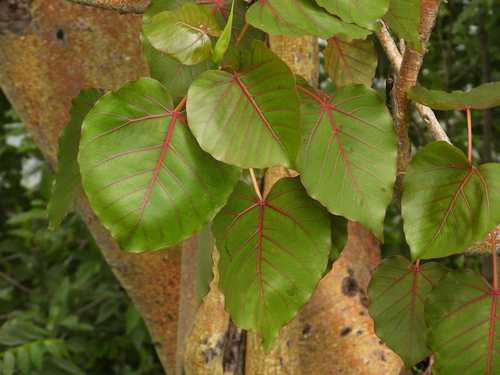 Petiolate FigAmate amarilloFicus petiolaris
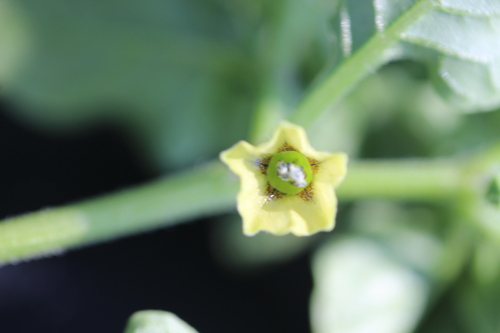 Physalis amplaPhysalis ampla
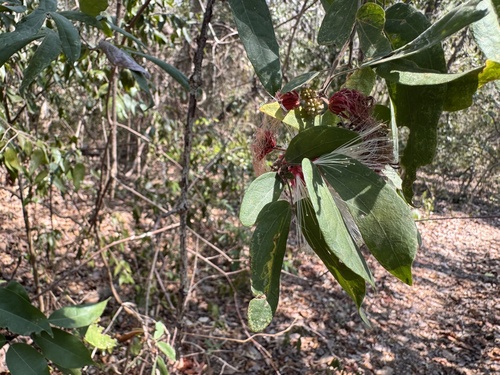 Pink PowderpuffCalliandra tergemina
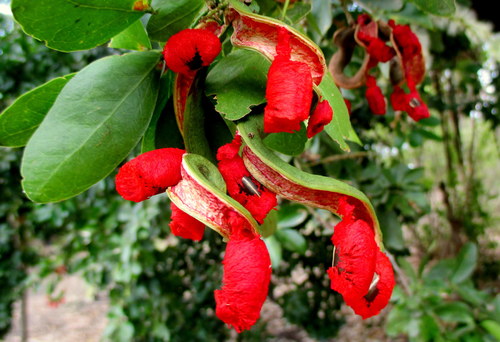 Pithecellobium lanceolatumConchilPithecellobium lanceolatum
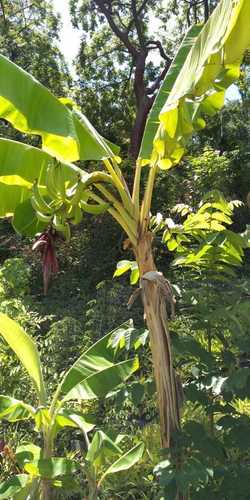 PlantainPlátanoMusa × paradisiaca
Pochote / Dry-forest CeibaPochoteCeiba aesculifolia
PlantainPlátanoMusa × paradisiaca
Pochote / Dry-forest CeibaPochoteCeiba aesculifolia
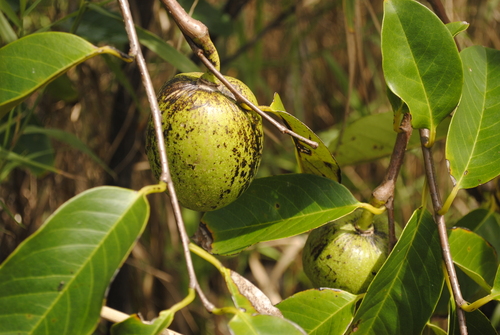 Pond AppleAnonaAnnona glabra
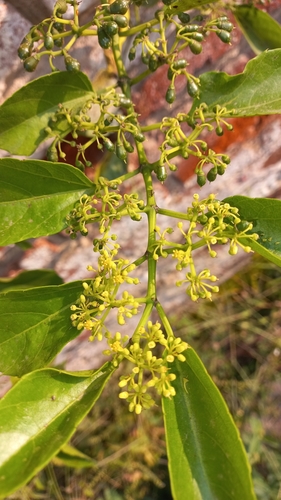 Possum grapeTripa de zopiloteCissus verticillata
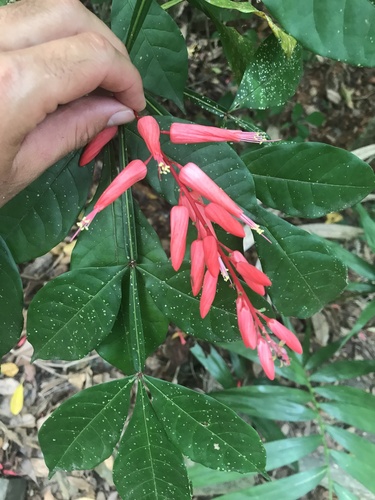 QuassiaCuasia de JamaicaQuassia amara
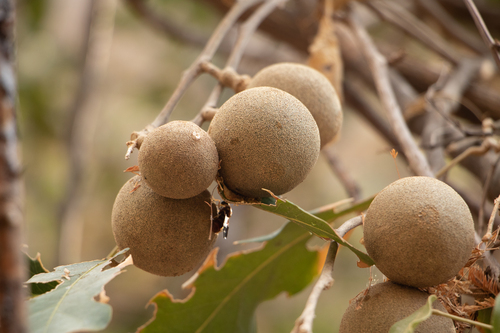 Rat AppleÁrbol del diabloMorisonia americana
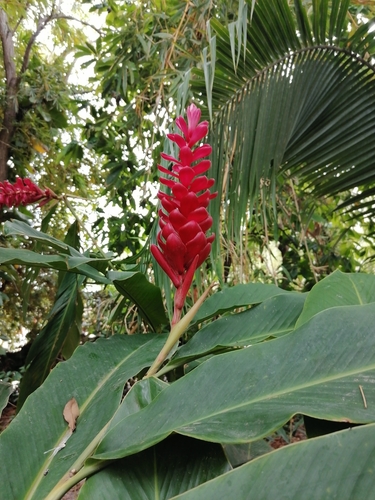 Red GingerHawaianaAlpinia purpurata
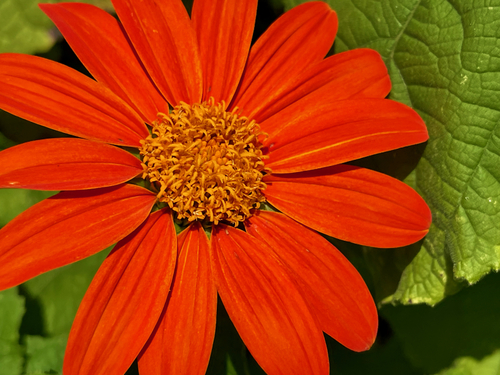 Red Sunfloweracahual rojoTithonia rotundifolia
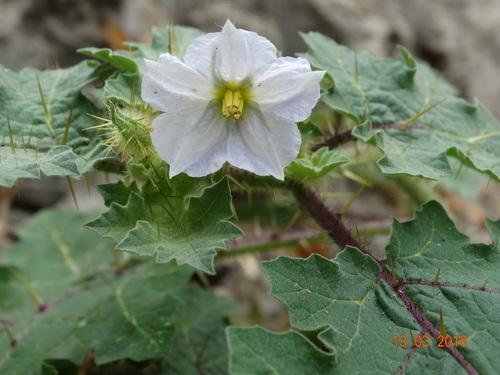 Redberry NightshadeTomate cimarrónSolanum campechiense
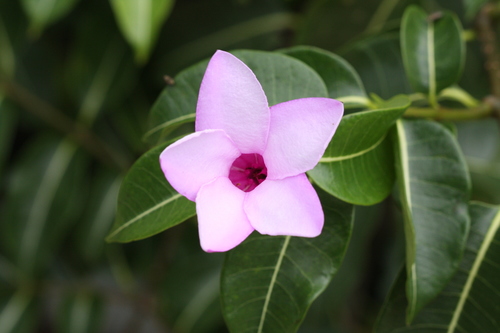 Rubber VineBejuco de cauchoCryptostegia grandiflora
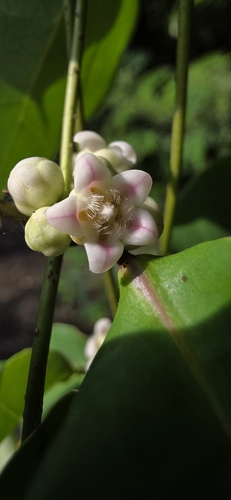 Ruehssia callosaRuehssia callosa
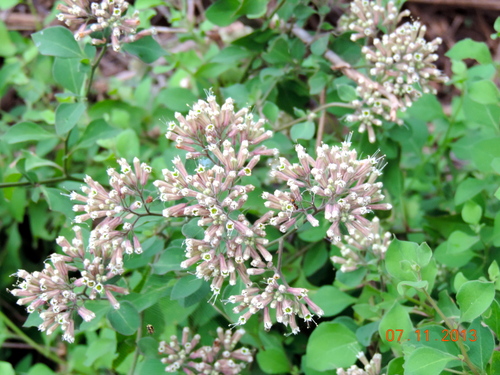 Salpianthus arenariushoja de lagartoSalpianthus arenarius
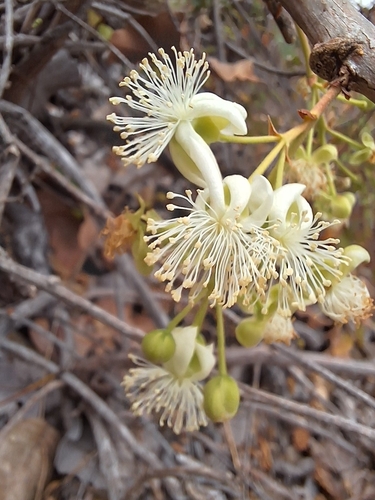 Sandpaper treeHojamánCuratella americana
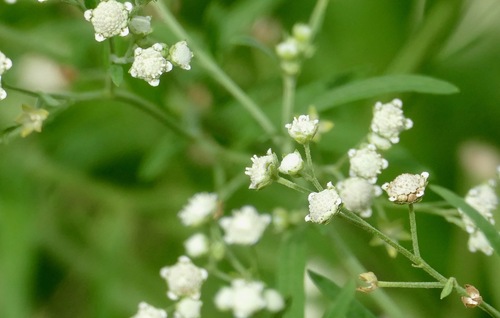 Santa Maria feverfewAltamisaParthenium hysterophorus
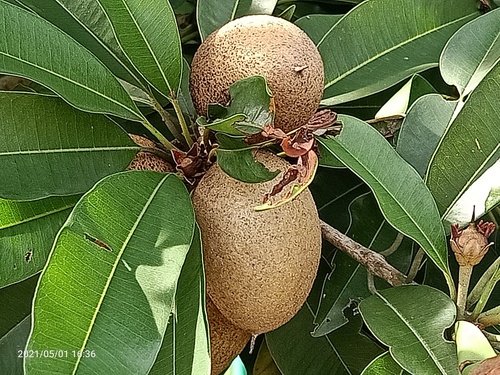 SapodillaChicozapoteManilkara zapota
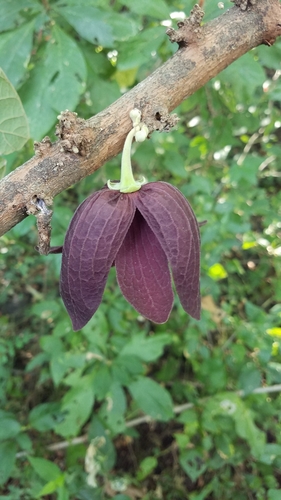 Sapranthus violaceusSapranthus violaceus
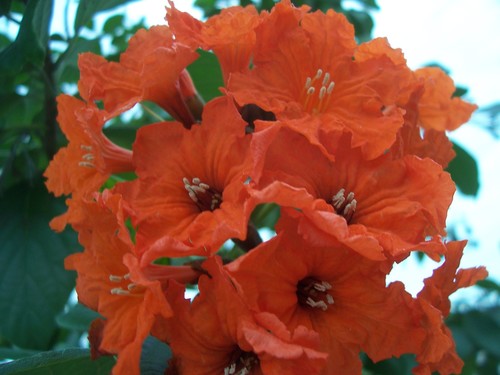 Scarlet CordiaanacahuitaCordia sebestena
Sea Almond / Tropical AlmondAlmendro de playaTerminalia catappa
Scarlet CordiaanacahuitaCordia sebestena
Sea Almond / Tropical AlmondAlmendro de playaTerminalia catappa
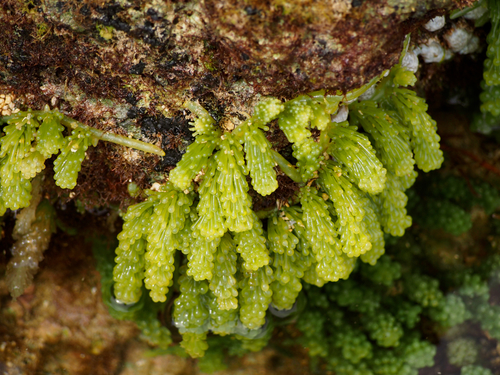 Sea GrapesAlga uva marinaCaulerpa racemosa
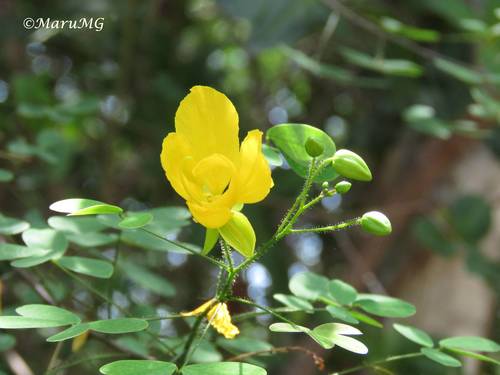 Senna piliferaSenna pilifera
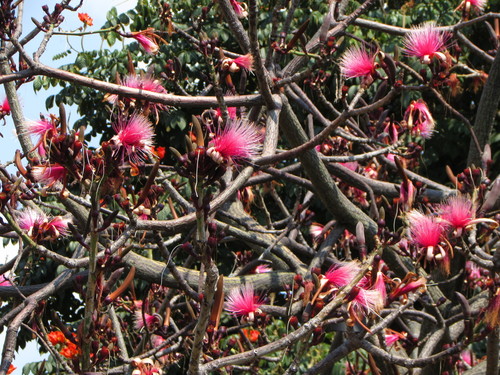 Shaving Brush TreeCoquitoPseudobombax ellipticum
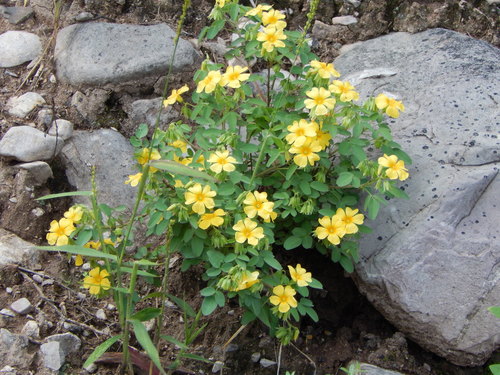 Shrubby WoodsorrelHierba cancerinaOxalis frutescens
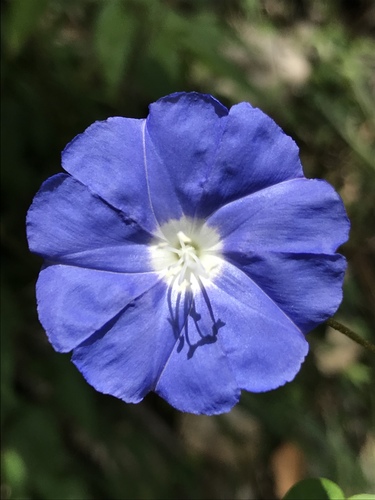 Skyblue ClustervineCampanilla azulJacquemontia pentanthos
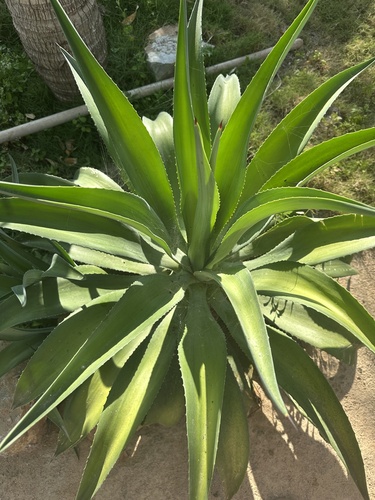 Smooth AgaveMaguey de pitaAgave desmetiana
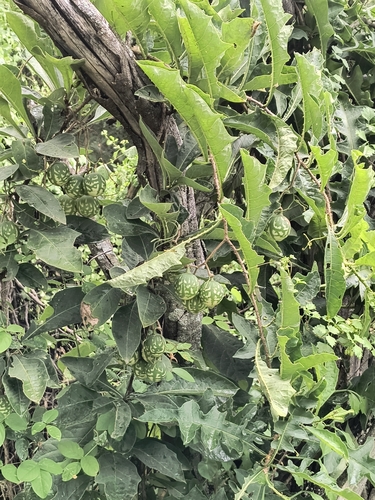 Solanum refractumsolano toronjaSolanum refractum
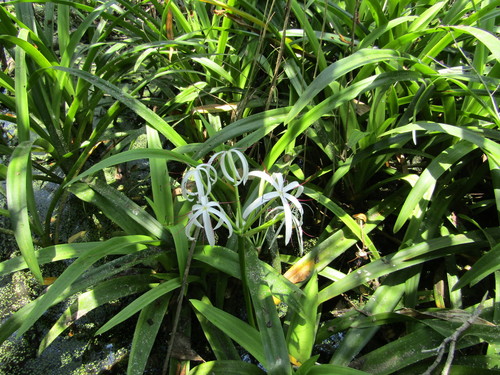 Southern Swamp CrinumLirio de pantanoCrinum americanum
Spanish CedarCedro rojoCedrela odorata
Southern Swamp CrinumLirio de pantanoCrinum americanum
Spanish CedarCedro rojoCedrela odorata
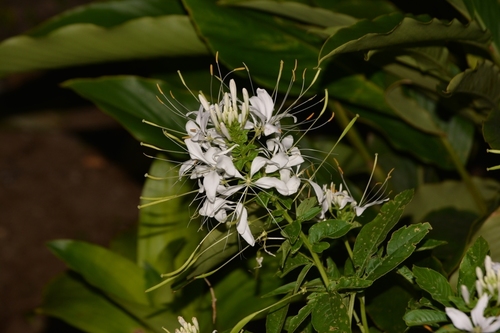 Spiny Spider-flowerplanta arañaCleome spinosa
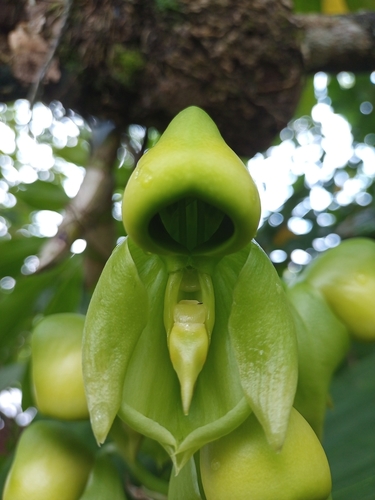 Spurred CatasetumOrquídea cola de patoCatasetum integerrimum
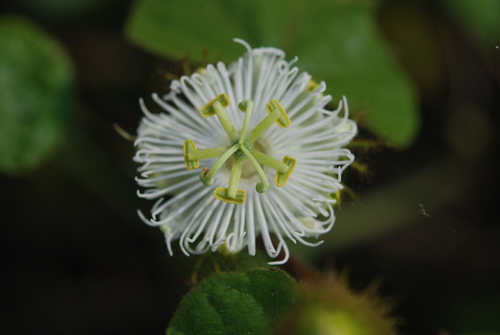 Stinking Passionflowergranadilla de culebraPassiflora foetida
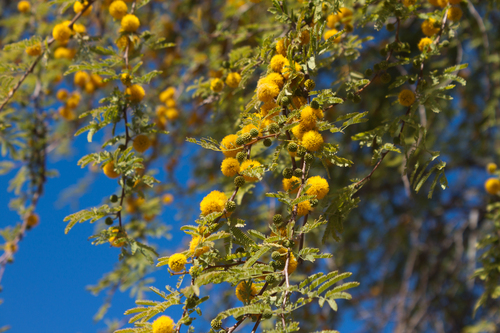 Sweet acaciaHuizacheVachellia farnesiana
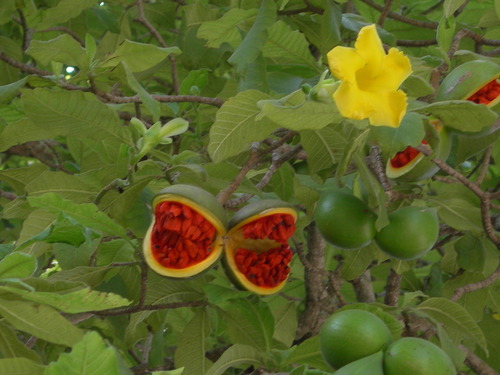 Tabernaemontana glabraHuevos de gatoTabernaemontana glabra
TamarindTamarindoTamarindus indica
Tabernaemontana glabraHuevos de gatoTabernaemontana glabra
TamarindTamarindoTamarindus indica
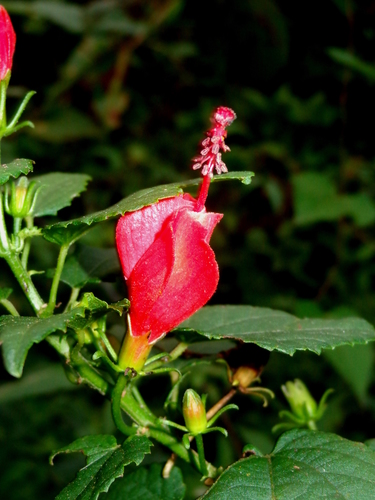 Turk's capTulipán de monteMalvaviscus arboreus
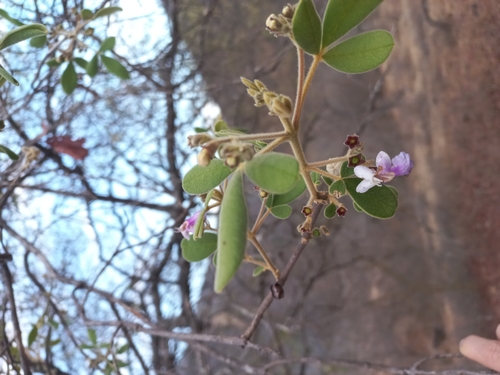 Vitex mollisCoyotomateVitex mollis
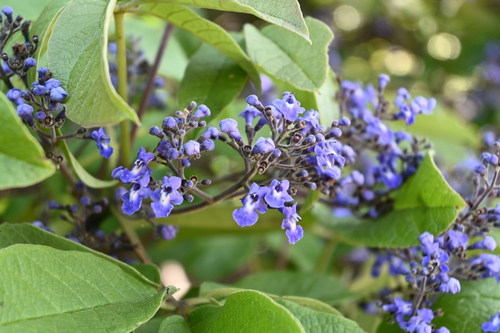 Vitex pyramidatacanelilloVitex pyramidata
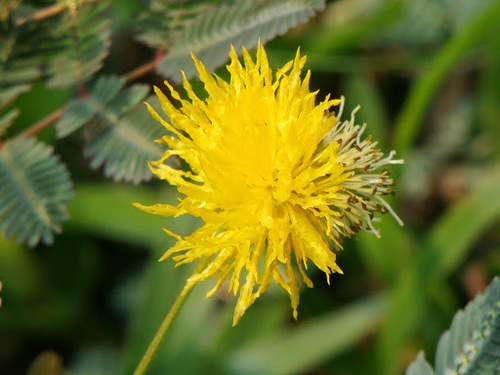 Water Dead-and-AwakeNeptunia plena
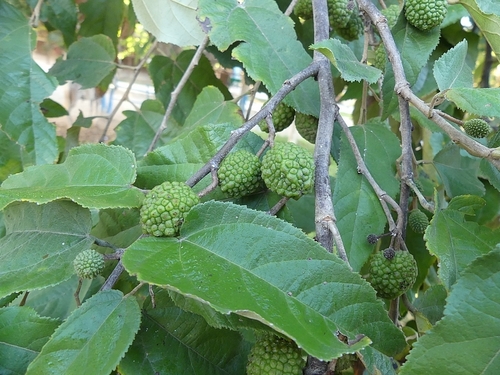 West Indian ElmGuácimaGuazuma ulmifolia
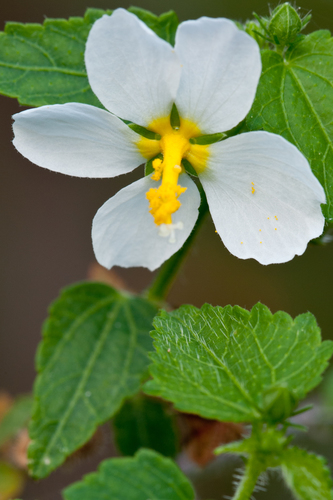 White FenroseKosteletzkya depressa
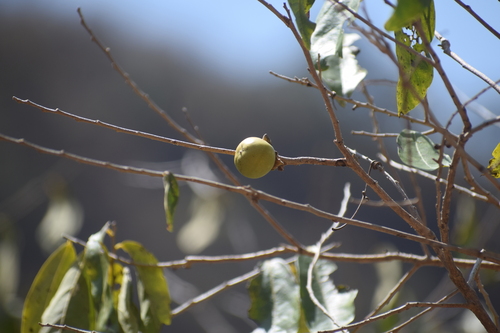 Willow Leaf PersimmonChocoyitoDiospyros salicifolia
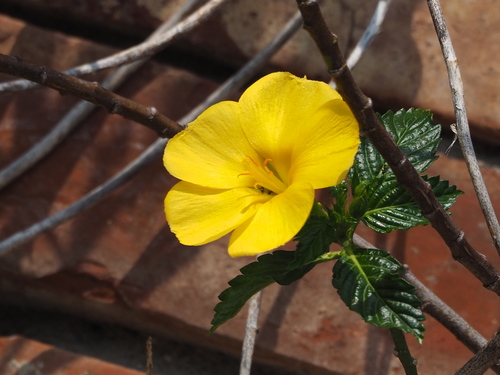 Yellow alderMarilopeTurnera ulmifolia
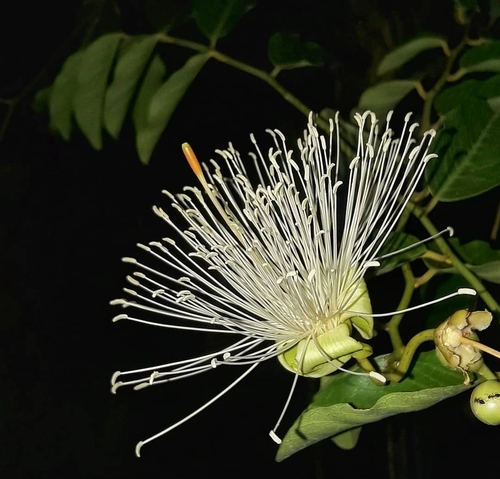 bay-leaved caperMargaritoCynophalla flexuosa
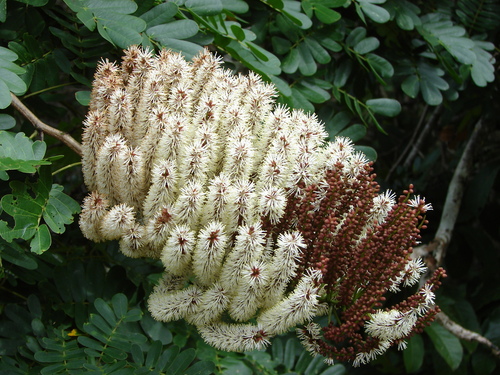 callingcard vineBejuco prietoEntada polystachia
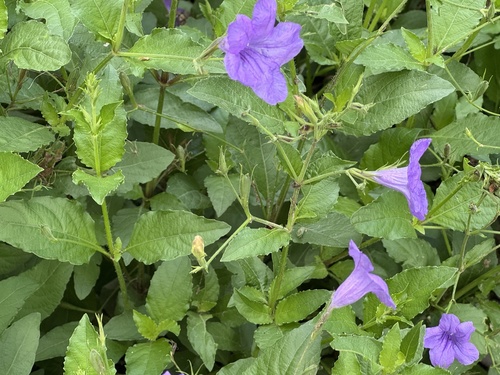 common wild petuniahierba de la calenturaRuellia nudiflora
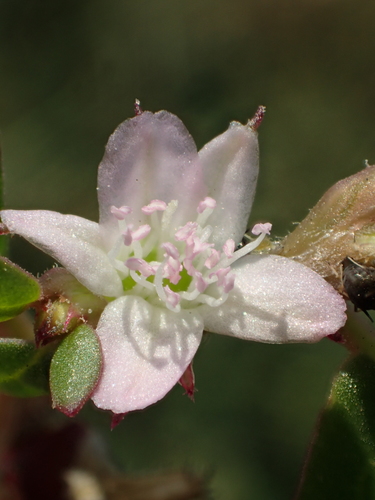 desert horse purslaneVerdolaga de caballoTrianthema portulacastrum
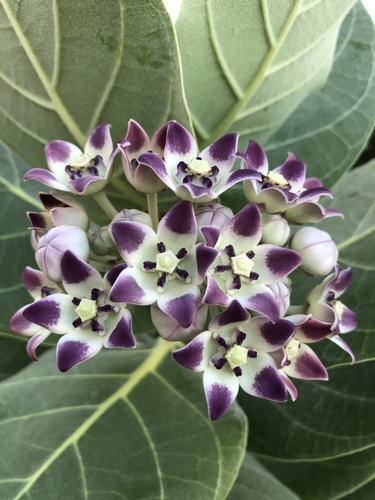 giant milkweedAlgodoncillo giganteCalotropis procera
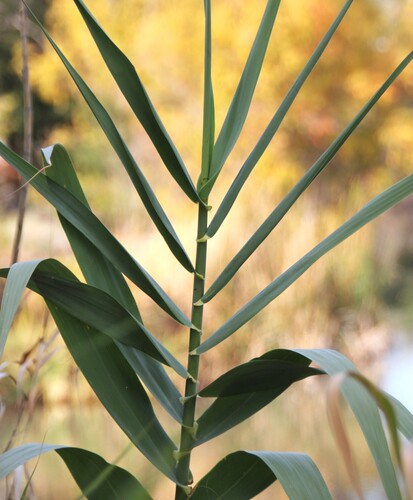 giant reedCarrizo asiático giganteArundo donax
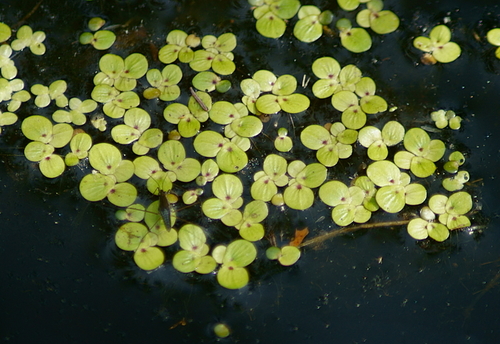 greater duckweedSpirodela polyrhiza
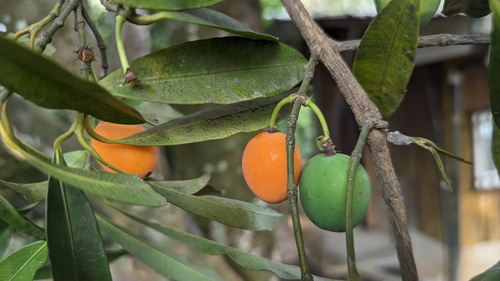 lemon drop mangosteenLimoncilloGarcinia intermedia
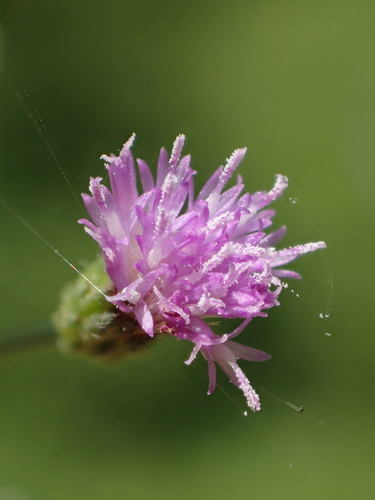 little ironweedCyanthillium cinereum
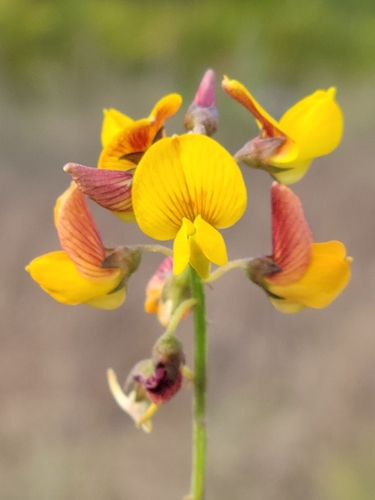 low rattleboxChipilCrotalaria pumila
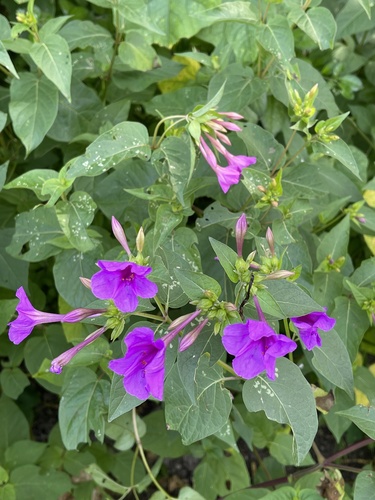 marvel of PeruMaravillaMirabilis jalapa
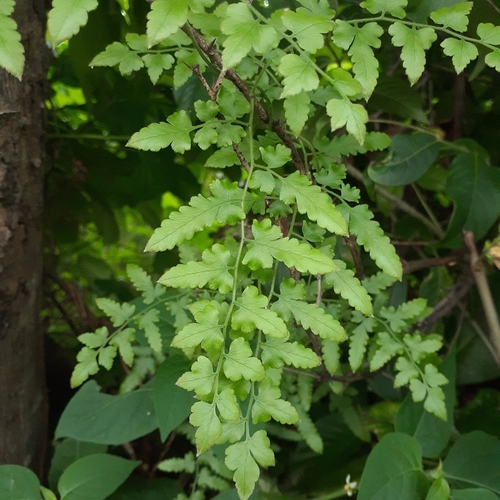 monarch climbing fernLygodium venustum
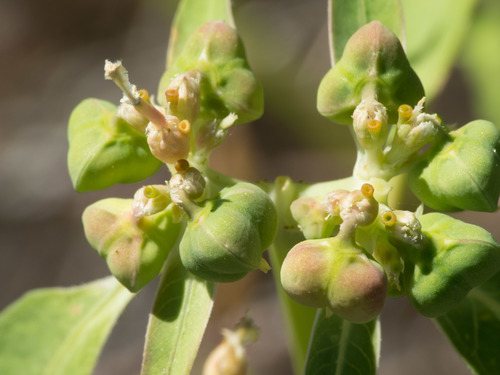 painted spurgeLecheroEuphorbia heterophylla
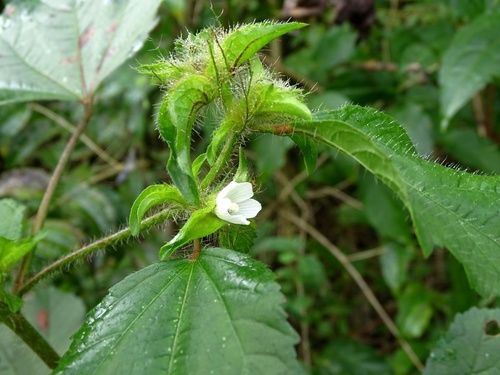 roadside leafbractMalachra fasciata
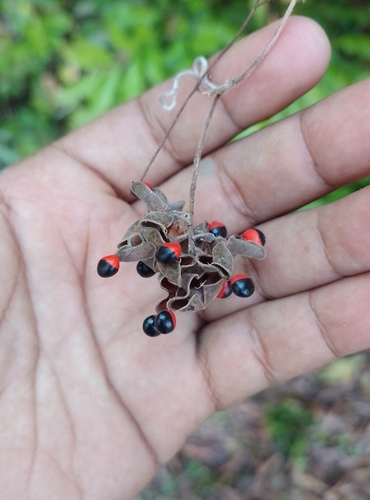 rosary snoutbeanOjo de pajaritoRhynchosia precatoria
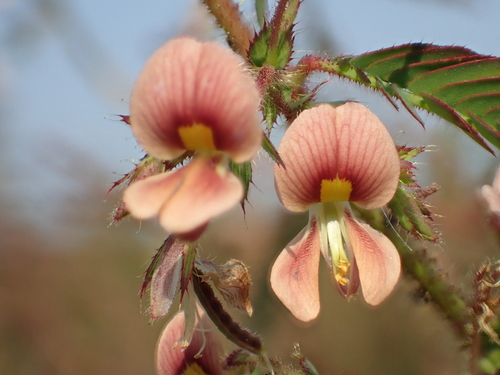 shyleafGuajilloAeschynomene americana
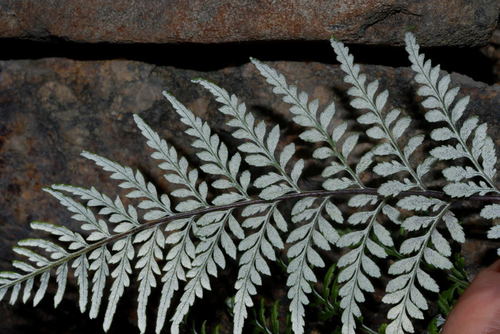 silver fernHelecho plateadoPityrogramma calomelanos
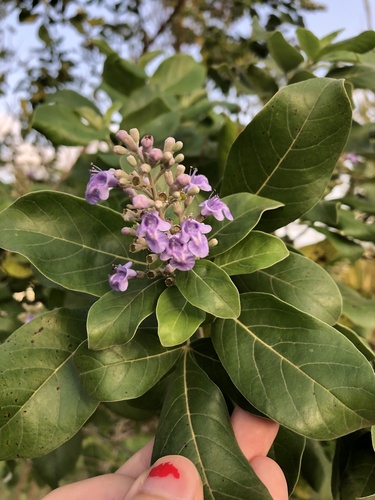 simpleleaf chastetreeVitex trifolia
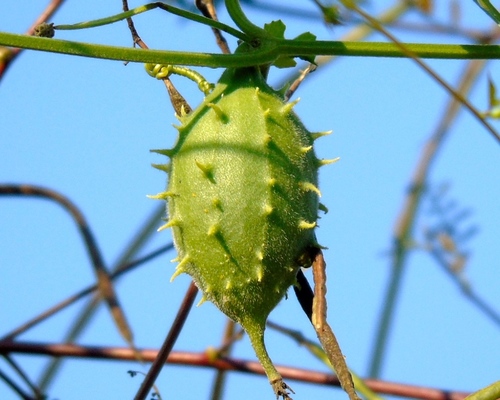 sponge cucumberEsponjillaLuffa operculata
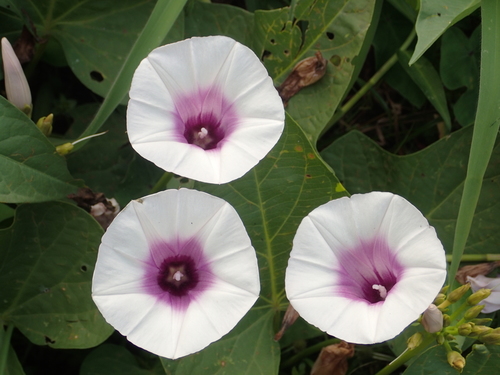 sweet potatoCamote moradoIpomoea batatas
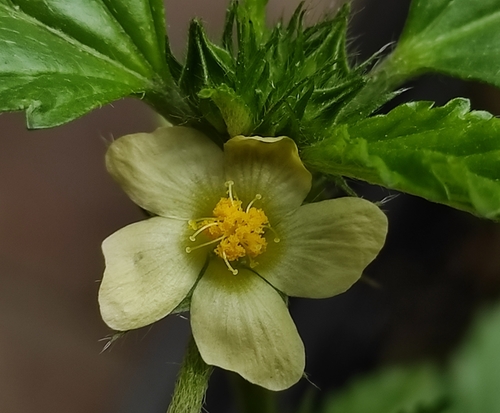 three-lobe false mallowEscobilloMalvastrum coromandelianum
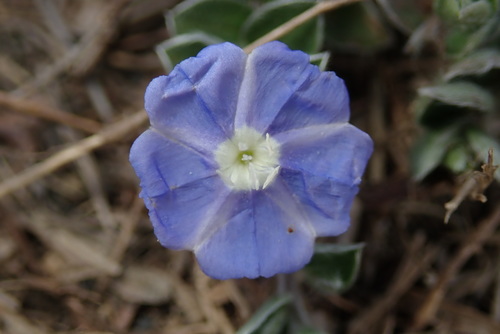 tropical speedwellPico de pájaroEvolvulus alsinoides
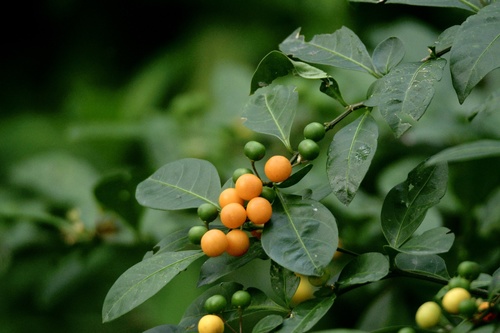 twoleaf nightshadeAmatilloSolanum diphyllum
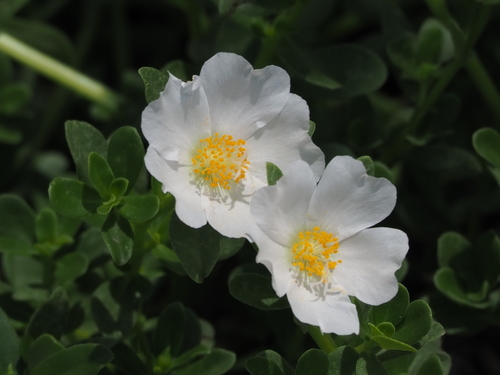 wingpod purslaneVerdolaga con florPortulaca umbraticola
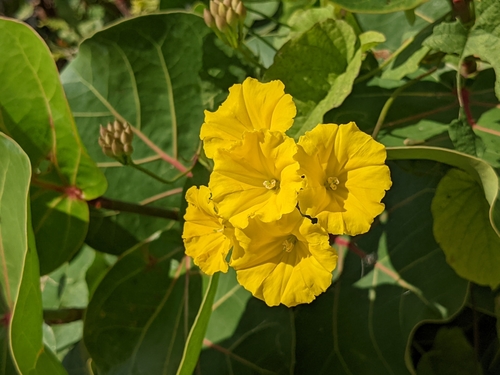 yellow merremiaAguinaldo amarilloCamonea umbellata
Air Plant / TillandsiaBromelia / GallitoTillandsia spp
yellow merremiaAguinaldo amarilloCamonea umbellata
Air Plant / TillandsiaBromelia / GallitoTillandsia spp
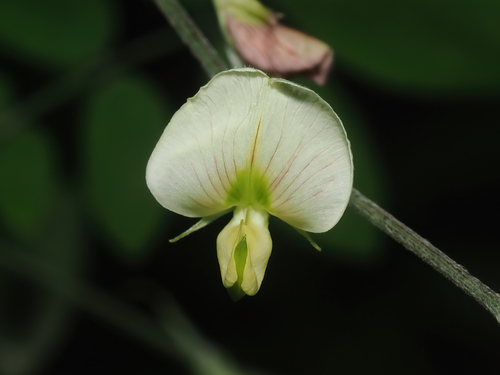 Anil FalsoJícama de conejoCoursetia caribaea
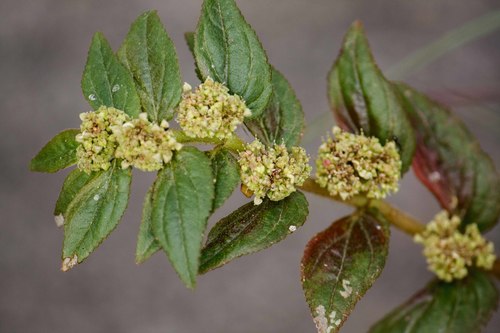 Asthma PlantgolondrinaEuphorbia hirta
AvocadoAguacatePersea americana
Banana / PlantainPlátano / BananaMusa spp
Bay CedarCuabillaSuriana maritima
Black MangroveMangle negroAvicennia germinans
BougainvilleaBugambiliaBougainvillea spectabilis
BreadnutRamón / CapomoBrosimum alicastrum
Asthma PlantgolondrinaEuphorbia hirta
AvocadoAguacatePersea americana
Banana / PlantainPlátano / BananaMusa spp
Bay CedarCuabillaSuriana maritima
Black MangroveMangle negroAvicennia germinans
BougainvilleaBugambiliaBougainvillea spectabilis
BreadnutRamón / CapomoBrosimum alicastrum
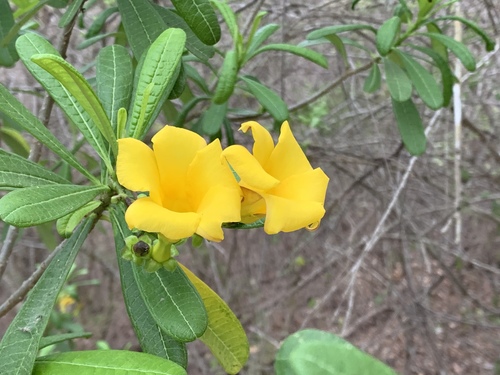 Cascabela ovataYoyoteCascabela ovata
CascaloteCaesalpinia cacalaco
Cazahuate / Morning Glory TreeCazahuateIpomoea wolcottiana
Common ReedCarrizoPhragmites australis
CuachalalateAmphipterygium adstringens
CuajiloteParmentiera aculeata
Cubata / Boat-spine AcaciaCubataAcacia cochliacantha
Cascabela ovataYoyoteCascabela ovata
CascaloteCaesalpinia cacalaco
Cazahuate / Morning Glory TreeCazahuateIpomoea wolcottiana
Common ReedCarrizoPhragmites australis
CuachalalateAmphipterygium adstringens
CuajiloteParmentiera aculeata
Cubata / Boat-spine AcaciaCubataAcacia cochliacantha
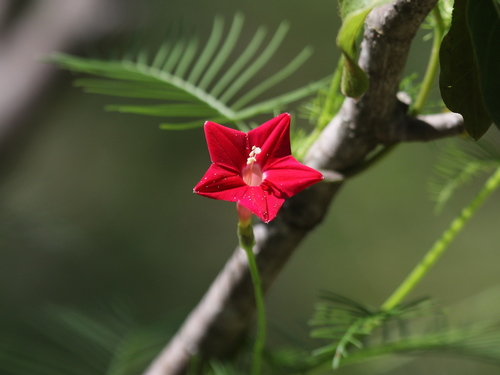 Cypress VinecambusteraIpomoea quamoclit
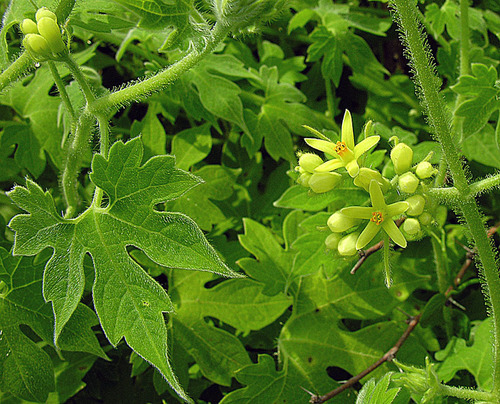 Gronovia scandensChichicasteGronovia scandens
HibiscusTulipán / ObeliscoHibiscus rosa-sinensis
JacarandaJacaranda mimosifolia
Lime CopalCopal limónBursera linanoe
Mexican Marigoldflor de muertoTagetes erecta
Gronovia scandensChichicasteGronovia scandens
HibiscusTulipán / ObeliscoHibiscus rosa-sinensis
JacarandaJacaranda mimosifolia
Lime CopalCopal limónBursera linanoe
Mexican Marigoldflor de muertoTagetes erecta
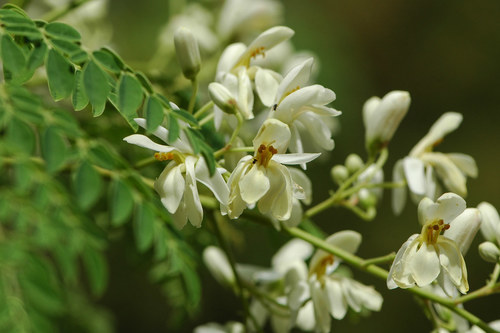 Moringa treeMoringaMoringa oleifera
Organ Pipe CactusPitahaya / PitayoStenocereus thurberi
Palmer's BombaxPochotePseudobombax palmeri
Panama Rubber TreeHuleCastilla elastica
PickerelweedPico de gallo acuáticoPontederia cordata
Moringa treeMoringaMoringa oleifera
Organ Pipe CactusPitahaya / PitayoStenocereus thurberi
Palmer's BombaxPochotePseudobombax palmeri
Panama Rubber TreeHuleCastilla elastica
PickerelweedPico de gallo acuáticoPontederia cordata
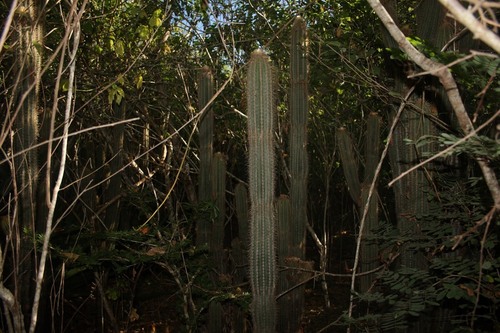 Pilosocereus purpusiipitayo viejoPilosocereus purpusii
Prickly PearNopalOpuntia ficus-indica
Pilosocereus purpusiipitayo viejoPilosocereus purpusii
Prickly PearNopalOpuntia ficus-indica
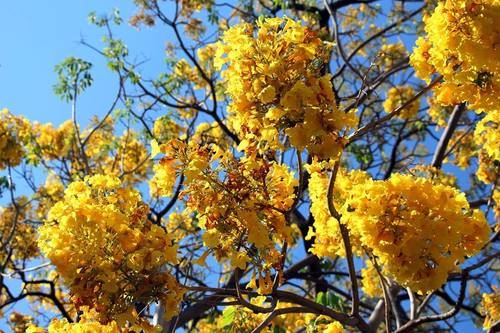 PrimaveraPalo blancoRoseodendron donnell-smithii
 Purple Bush-BeanconchitoMacroptilium atropurpureum
Quevedó's PitayoPitayoStenocereus quevedonis
Purple Bush-BeanconchitoMacroptilium atropurpureum
Quevedó's PitayoPitayoStenocereus quevedonis
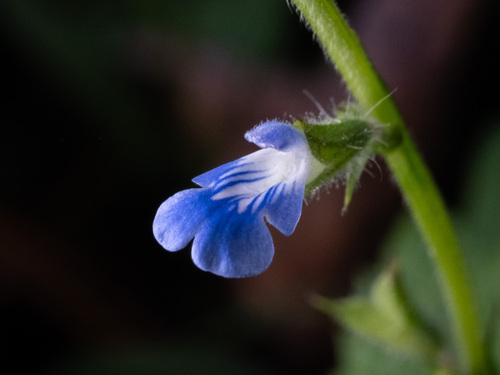 River sageHierba del cáncerSalvia misella
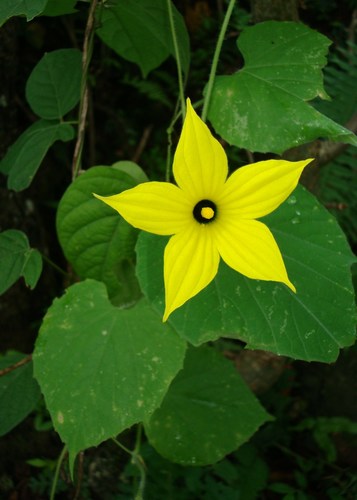 Schizocarpum parviflorumhuevillo de gatoSchizocarpum parviflorum
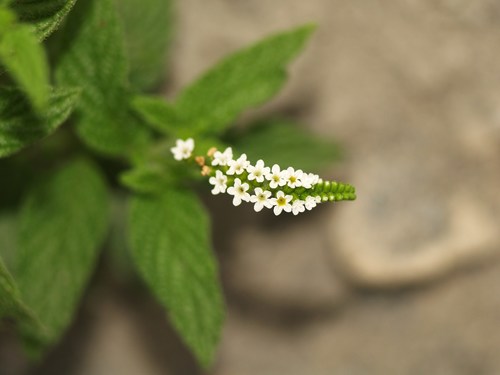 Scorpion's-tailAlacrancilloHeliotropium angiospermum
Sea PurslaneVerdolaga marinaSesuvium portulacastrum
Scorpion's-tailAlacrancilloHeliotropium angiospermum
Sea PurslaneVerdolaga marinaSesuvium portulacastrum
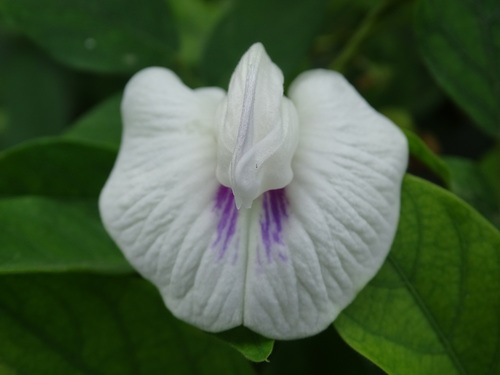 SentroGallitosCentrosema pubescens
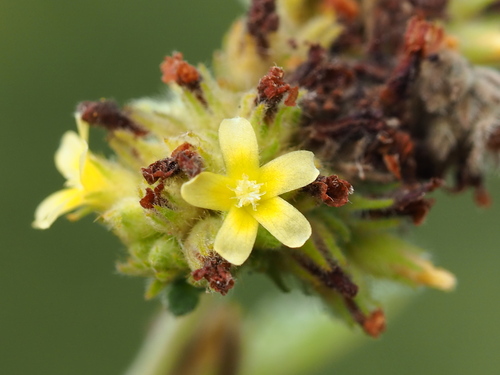 Sleepy Morninghierba del soldadoWaltheria indica
Southern CattailTuleTypha domingensis
Spanish MossHeno / PaxtleTillandsia usneoides
Sleepy Morninghierba del soldadoWaltheria indica
Southern CattailTuleTypha domingensis
Spanish MossHeno / PaxtleTillandsia usneoides
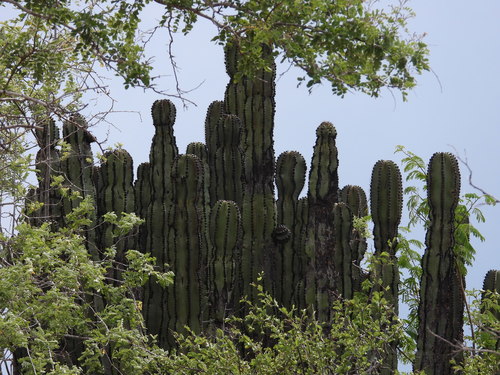 Stenocereus chrysocarpuspitayo doradoStenocereus chrysocarpus
Sugar Apple / Custard AppleAnona / SaramuyoAnnona squamosa
TepehuajeMautoLysiloma divaricatum
Stenocereus chrysocarpuspitayo doradoStenocereus chrysocarpus
Sugar Apple / Custard AppleAnona / SaramuyoAnnona squamosa
TepehuajeMautoLysiloma divaricatum
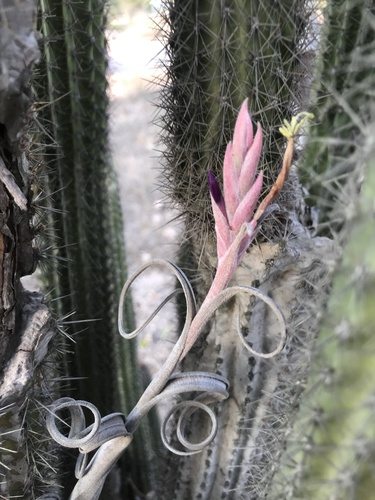 Tillandsia intermediaTillandsia intermedia
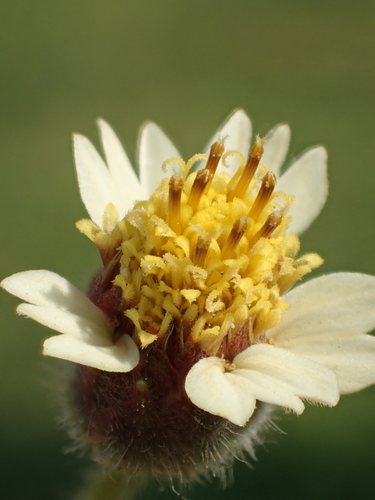 Tridax DaisyHierba del toroTridax procumbens
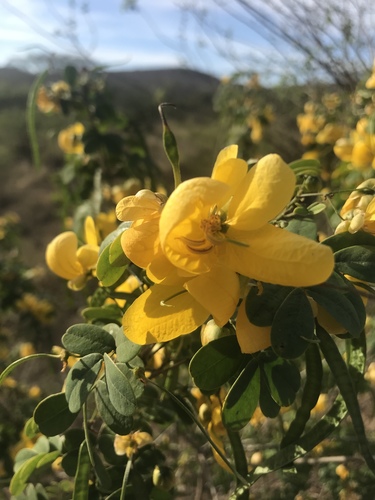 Twin-flowered cassiaAbejónSenna pallida
Water HyacinthLirio acuáticoEichhornia crassipes
White CopalCopal blancoBursera fagaroides
Twin-flowered cassiaAbejónSenna pallida
Water HyacinthLirio acuáticoEichhornia crassipes
White CopalCopal blancoBursera fagaroides
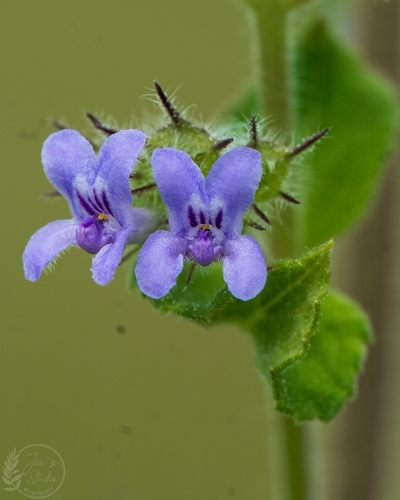 Wide SpikenardChanMesosphaerum suaveolens
Wild FigAmateFicus insipida
Wide SpikenardChanMesosphaerum suaveolens
Wild FigAmateFicus insipida
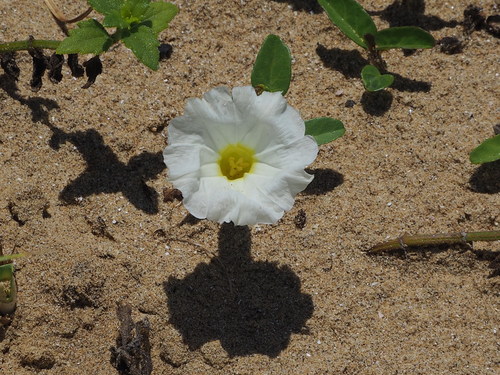 beach morning-gloryIpomoea imperati
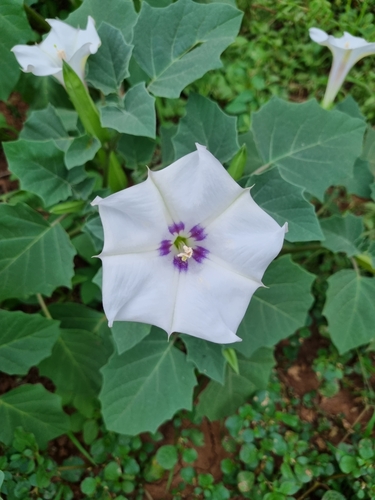 desert thorn-appleToloacheDatura discolor
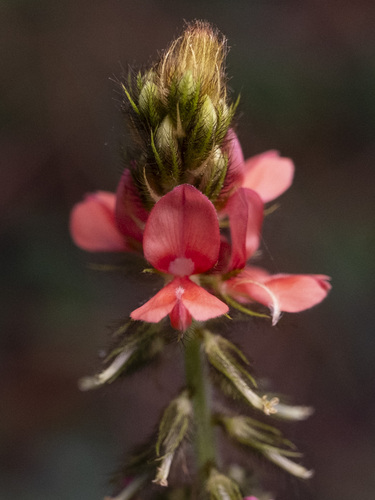 hairy indigoIndigofera hirsuta
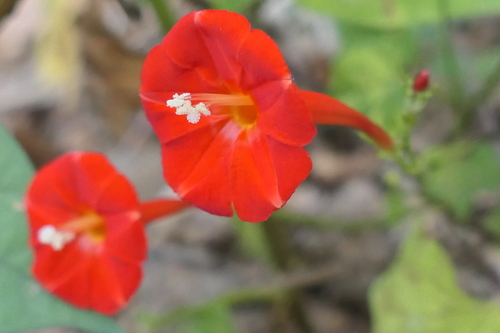 scarlet creepertrompilloIpomoea hederifolia
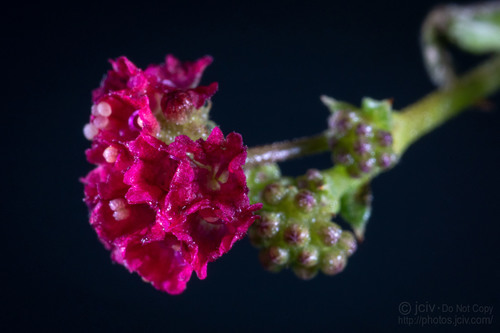 scarlet spiderlinghierba de la hormigaBoerhavia coccinea
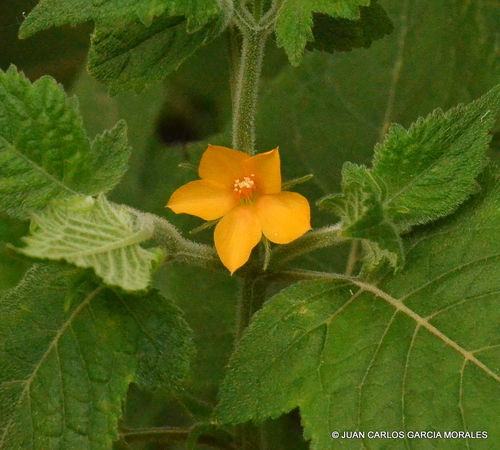 tropical blazingstarPega pegaMentzelia aspera
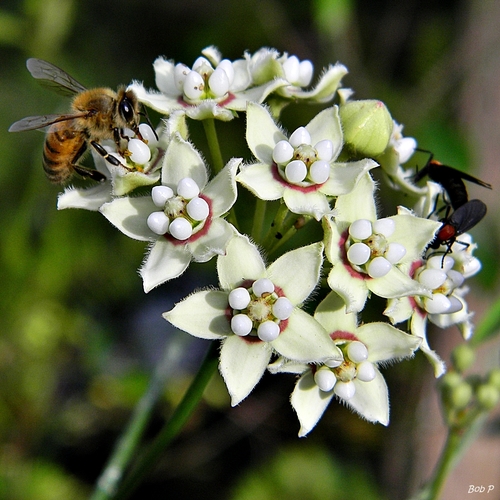 white twinevineIsipó de lecheFunastrum clausum
No species match your filter.
Methodology & sources
- iNaturalist (primary): iNaturalist Observations API, taxon_id=47126 (kingdom Plantae), lat 17.8375°N / lng -101.7606°W, radius 25 km, research-grade quality grade only. Paginated at 200 records per page; 2,150 records loaded. iNaturalist is preferred for plants because records are image-documented and community-verified, making species-level identification more reliable.
- GBIF (supplementary): GBIF Occurrence Search API, taxonKey=6 (kingdom Plantae), bounding box 17.61–18.07°N / -102.01–-101.51°W, years 2000–2025, hasCoordinate=true. iNaturalist-origin GBIF records are excluded (already counted above). 1,495 non-iNat GBIF records loaded. GBIF taxonKey=6 includes marine algae (Rhodophyta, Chlorophyta, etc.) — the observed dominance of algae species in the top-observed list reflects GBIF herbarium survey effort in the marine zone, not their ecological importance relative to vascular plants.
- Deduplication: iNaturalist records propagated to GBIF are counted once (iNaturalist source). Records are tagged by source; duplicates are filtered at the GBIF query stage by excluding records with "inaturalist" in the dataset name.
- Notable groups: Mangrove, palm, cacti, dry-forest, and coastal species lists are curated from published botanical surveys of the Guerrero Pacific coast and are not limited to records in the digital databases. The four mangrove species are documented in herbarium collections from the region.
- Sparse-data policy: If combined observations fall below 20, the page surfaces an explicit warning. With n=3,645 records, the dataset is adequate for species-level frequency analysis, though absolute abundance estimates are not appropriate.
- Recent sightings widget: Calls the live iNaturalist API for research-grade observations within 25 km, last 90 days. Results include photos where available (iNaturalist CC-licensed imagery).
- IUCN status: The four mangrove species listed here are currently Least Concern on the IUCN Red List. Mangroves as a habitat type face ongoing pressure from coastal development and aquaculture; individual species assessments should be consulted for current regional status.
Data last refreshed: —